
Testosterone is an essential hormone that plays a vital role in men’s health. It helps maintain muscle mass, bone density, and overall energy levels. However, many men may experience symptoms associated with low testosterone, such as fatigue, decreased libido, and mood changes. If you’re wondering how testosterone levels are tested, you’re not alone. This article will walk you through the different methods of testing testosterone and what to expect during the process.
What Are Testosterone Levels?
Testosterone is produced mainly in the testes and is responsible for many functions within the male body. The normal range for testosterone levels varies depending on age and the laboratory guidelines, but generally, for adult men, it falls between 300 to 1,000 nanograms per deciliter (ng/dL). Understanding your testosterone levels is crucial, especially if you notice symptoms that may suggest low testosterone.
When to Consider Testing
Testing testosterone levels may be recommended if you’re experiencing symptoms like:
- Low energy or fatigue
- Reduced libido or sexual dysfunction
- Increased body fat or decreased muscle mass
- Depression or mood swings
If you notice these symptoms, it might be a good idea to talk to your doctor about the possibility of testing your testosterone levels.
Types of Testosterone Tests
There are primarily two types of tests used to measure testosterone levels: blood tests and saliva tests.
Blood Tests
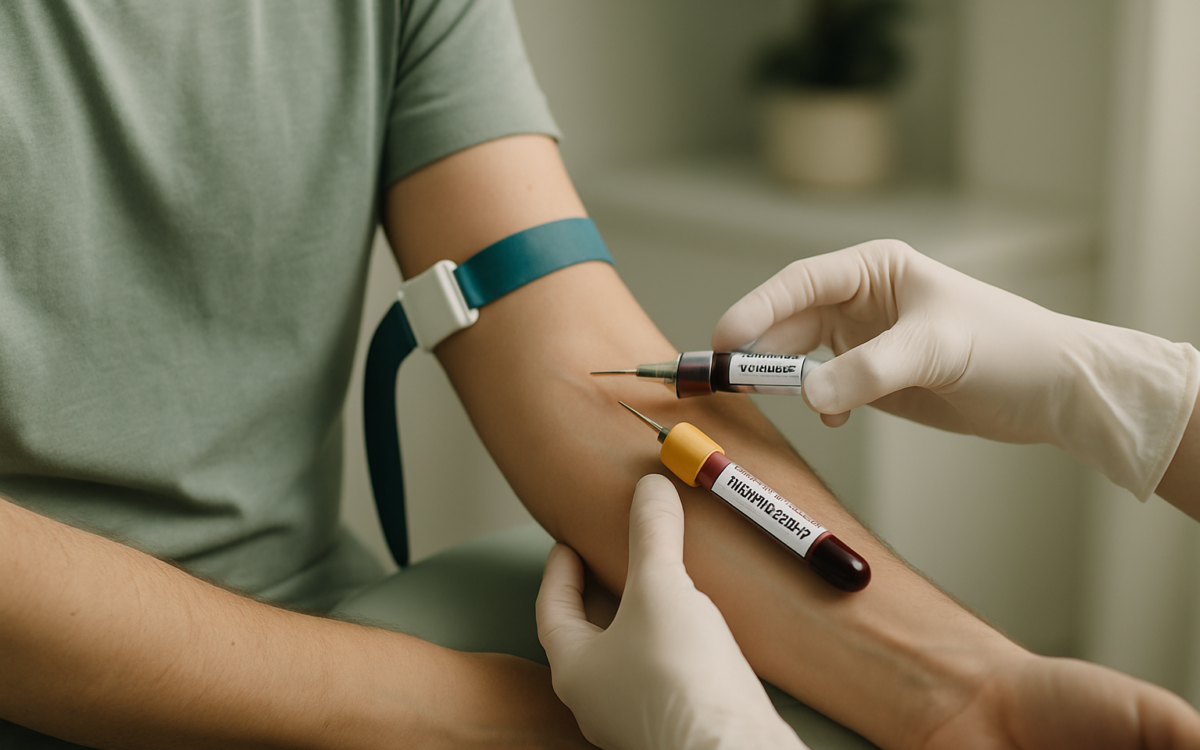
The most common method for testing testosterone levels is through a blood test. This test usually measures total testosterone, which includes both bound and free testosterone in your blood. Here’s what you can expect when getting a blood test:
- You’ll likely have the test done in the morning when testosterone levels are highest.
- A healthcare professional will draw blood from a vein in your arm.
- The sample is then sent to a laboratory for analysis.
Some doctors may also order additional tests, such as a free testosterone test, to more accurately assess hormone levels and determine if they are affecting your health.
Saliva Tests
Saliva tests are less common but can be used to measure free testosterone levels. These tests can be convenient since they can often be conducted at home. Here’s what to know about saliva testing:
- You collect saliva samples at specific times of day.
- The samples are sent to a lab for analysis.
- While saliva tests can provide some insights, they may not be as reliable as blood tests.
Interpreting Your Results
After your testosterone levels have been tested, your doctor will discuss the results with you. If your levels are within the normal range, it’s likely that your symptoms may be due to another cause. If your levels are low, your doctor may recommend further evaluation. Low testosterone, or hypogonadism, can have various causes, including:
- Testicular issues
- Pituitary gland disorders
- Certain medications
Your doctor may order additional tests or imaging studies to pinpoint the underlying issue.
Treatment Options for Low Testosterone
If low testosterone is diagnosed, treatment strategies may be discussed. Options can include:
- Testosterone replacement therapy (TRT)
- Changes in lifestyle, such as diet and exercise
- Monitoring of symptoms and testosterone levels
Testosterone replacement therapy may involve injections, patches, or gels, and it is essential to work closely with your healthcare provider to determine the best treatment plan. Monitoring is crucial, as TRT can have side effects, including an increased risk of certain health conditions.
Common Myths About Testosterone Testing
There are several misconceptions about testosterone and its testing that are important to clarify:
- Myth: Testosterone testing is only for older men.
Fact: Men of all ages can experience low testosterone levels. - Myth: A single test is sufficient for diagnosis.
Fact: Testosterone levels can fluctuate, so multiple tests may be needed to confirm low levels. - Myth: If my testosterone is low, I must start treatment.
Fact: Treatment is based on symptoms and the underlying cause.
Educating yourself on these issues helps ensure that you make informed decisions regarding your health.
When to See a Doctor
If you’re experiencing symptoms that may indicate low testosterone, such as persistent fatigue, changes in mood, or sexual dysfunction, consult your doctor. A healthcare professional can assess your symptoms and help determine if testing is necessary. Early intervention can help improve your overall well-being.
In summary, knowing how to test testosterone levels and understanding the implications of those tests is an essential part of maintaining men’s health. Talk to your doctor if you think you might benefit from testing, and remember that you are not alone in this journey. For more information on testosterone and its impact on health, be sure to check resources like the NIH and Mayo Clinic.
