
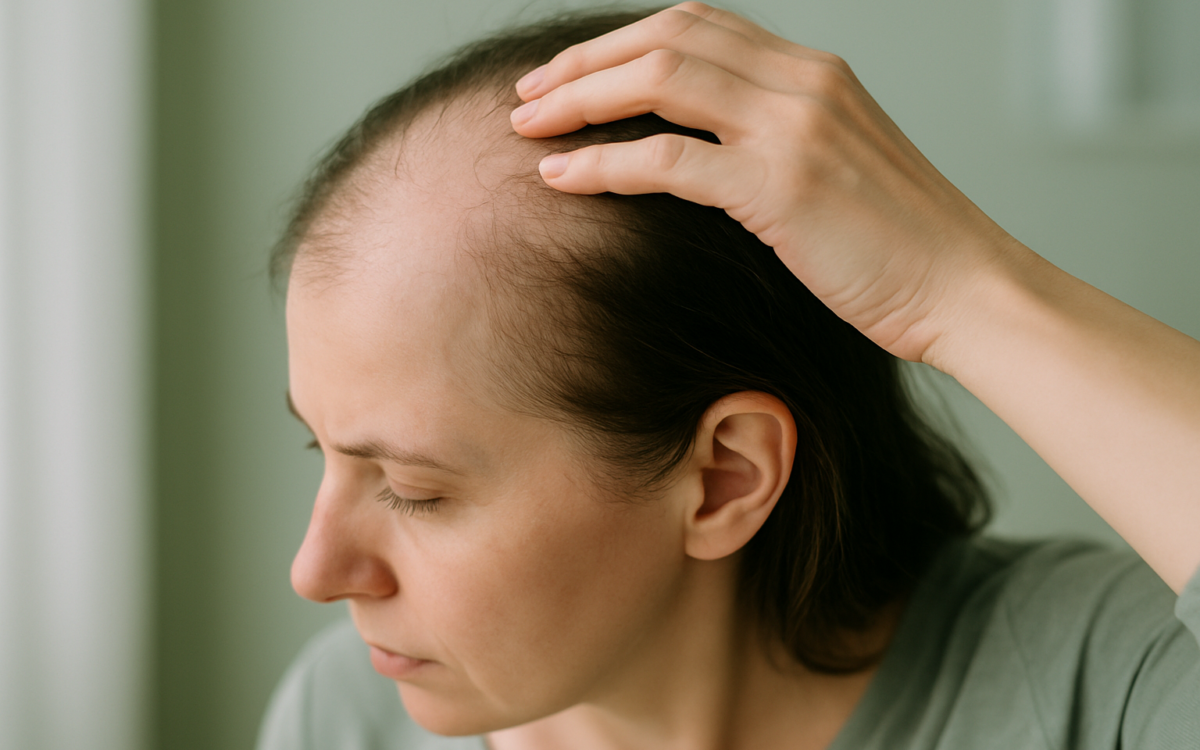
Balding is often seen as a men’s issue, but many women struggle with hair loss, too. Understanding this condition is crucial, especially since it can impact self-esteem and mental health. In this article, we’ll explore the causes of hair loss in women, the various types, and available treatments. Knowledge is power, and being informed can help you take proactive steps if you or someone you know is facing this challenge.
What Causes Hair Loss in Women?
Hair loss in women can occur for numerous reasons, ranging from genetics to environmental factors. Here are some of the most common causes:
- Genetics: Female pattern baldness, or androgenetic alopecia, is the most common form of hair loss in women. It often runs in families and can start as early as the late teens or early twenties.
- Hormonal Changes: Hormonal fluctuations, particularly during pregnancy, childbirth, menopause, or due to conditions like polycystic ovary syndrome (PCOS), can lead to hair thinning.
- Medical Conditions: Various health conditions, such as thyroid disorders, autoimmune diseases (like alopecia areata), and scalp infections, can cause hair loss.
- Medications: Certain medications, such as those used for cancer treatment, blood pressure medications, and antidepressants, can also lead to hair reduction.
- Stress: Physical or emotional stress can trigger hair loss. This condition, known as telogen effluvium, often resolves once the stressor is removed.
- Diet and Nutritional Deficiencies: Poor nutrition, including insufficient protein, iron, or vitamin levels, can affect hair health and lead to thinning.
Types of Hair Loss in Women
Understanding the different types of hair loss can help in finding the right treatment. Here’s an overview of the most common types:
- Androgenetic Alopecia: This hereditary condition usually begins with thinning at the crown and hairline.
- Alopecia Areata: An autoimmune disorder that leads to hair loss in patches. It can occur suddenly and affect any area of the scalp and body.
- Telogen Effluvium: Often triggered by stress or significant life changes, this is a temporary condition where hair falls out after a stressful event.
- Traction Alopecia: Caused by hairstyles that pull on the hair, such as tight ponytails or braids. It’s important to change hairstyles to prevent further damage.
- Scarring Alopecia: Conditions that cause inflammation can lead to permanent hair loss due to scarring, such as lichen planopilaris.
Diagnosis of Hair Loss
If you are noticing thinning hair or bald spots, it is helpful to consult a healthcare professional. A doctor may perform a physical examination of your scalp and hair, and possibly order tests such as:
- Blood Tests: To check for thyroid function, hormone levels, and nutritional deficiencies.
- Scalp Biopsy: A small section of the scalp may be removed and analyzed to determine the type of hair loss.
- Pull Test: The doctor will gently pull on a small section of hair to determine how many strands fall out, which can indicate the stage of hair loss.
Treatment Options for Hair Loss
There are several treatment options for women experiencing hair loss. The right choice depends on the cause and severity of the condition:
- Minoxidil: An over-the-counter topical treatment that stimulates hair growth. It can be effective for many women, but requires consistent use.
- Hormonal Treatments: For women experiencing hair loss due to hormonal imbalances, prescribed medications may help balance hormone levels.
- Hair Transplants: Surgical options are available for more severe cases, where hair follicles are moved from thicker areas of the scalp to thinning areas.
- Wigs and Hairpieces: These can offer an immediate solution for women who want to cover bald spots or thinning hair.
- Scalp Care: Gentle hair care routines and avoiding harsh chemicals can help maintain scalp health and improve overall appearance.
Emotional Impact of Hair Loss
Beyond the physical aspect, hair loss can also take an emotional toll. Many women experience feelings of frustration, sadness, or even embarrassment. It’s essential to acknowledge these feelings and consider support options. Here are a few strategies:
- Talk It Out: Speaking with friends or family can provide emotional relief and support.
- Join Support Groups: Connecting with others who have similar experiences can reinforce that you’re not alone in this journey.
- Focus on Self-Care: Practicing self-compassion and exploring new styles or looks can help boost self-esteem.
When to See a Doctor
If you’re experiencing significant hair loss, it’s a good idea to consult with a healthcare professional. You should consider making an appointment if:
- Your hair is falling out suddenly or in large clumps.
- You have a family history of hair loss and it’s progressing quickly.
- You notice changes in your scalp, such as scaling or redness.
- You experience any triggering events, like stress, pregnancy, or surgery.
Seeking early intervention can often lead to better outcomes and more options for treatment.
Conclusion
Hair loss in women is a complex issue that affects many individuals. By understanding the causes, types, and treatment options available, women can take informed steps to address this concern. Remember that you’re not alone, and there are resources and support systems to help you navigate this journey. For detailed information, consider visiting reliable sources like the Mayo Clinic or the NIH for further insights.
