
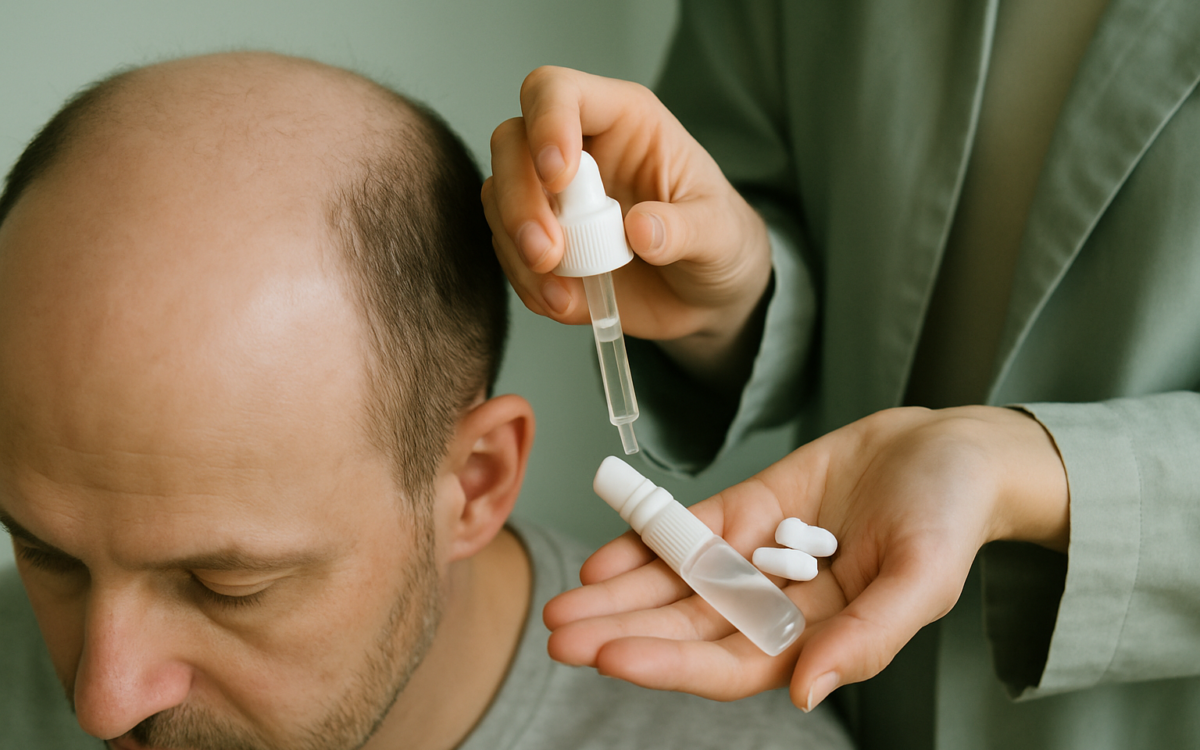
Hair loss can be a challenging experience for many individuals, affecting self-esteem and confidence. Advances in medical research have led to the development of various drugs aimed at combating hair loss. Understanding these options is crucial for anyone considering treatment. This article provides an overview of the most common hair loss drugs, their mechanisms, effectiveness, and considerations before starting treatment.
Types of hair loss drugs
There are several medications available for treating hair loss, primarily categorized into two types: topical and oral. Each type has its own mechanism and method of application.
Minoxidil: The topical solution
Minoxidil is a widely used topical treatment for hair loss, available over the counter in liquid or foam form. Originally developed as a medication for high blood pressure, it was later found to stimulate hair growth. It works by increasing blood flow to the hair follicles and prolonging the growth phase of hair. Users typically apply it directly to the scalp twice a day.
Effectiveness of minoxidil
Research indicates that minoxidil can be effective for both men and women experiencing hair loss, particularly in cases of androgenetic alopecia, a common form of hair loss. A systematic review found that about 60% of users notice some degree of hair regrowth after several months of consistent use (NIH/NLM). However, it’s important to note that results may vary, and continued use is necessary to maintain hair growth.
Finasteride: The oral option
Finasteride is another popular hair loss drug that is taken in pill form. It works by inhibiting an enzyme called 5-alpha-reductase, which plays a significant role in converting testosterone to dihydrotestosterone (DHT). DHT is known to contribute to hair loss by shrinking hair follicles over time.
Effectiveness of finasteride
Clinical studies have shown that finasteride can help to stop hair loss and promote hair regrowth in many men. According to a study published in the Journal of the American Academy of Dermatology, nearly 90% of men taking finasteride experience a halt in the progression of hair loss, with about 66% seeing some regrowth after various treatment periods. As with minoxidil, finasteride requires ongoing use to maintain benefits.
Side effects and considerations
While both minoxidil and finasteride can be effective, they are not without potential side effects. Minoxidil may cause scalp irritation, itching, or an unwanted increase in facial hair. Finasteride, on the other hand, can lead to sexual side effects, including reduced libido or erectile dysfunction, in a small percentage of users.
It is essential to consult with a healthcare provider before starting either treatment, especially for individuals with underlying health conditions or those taking other medications. Regular follow-ups can help monitor for any adverse effects and assess the effectiveness of the treatment.
Other alternatives for hair loss treatment
Aside from minoxidil and finasteride, several other treatments and therapies exist for combating hair loss. These include:
- Low-Level Laser Therapy (LLLT): A non-invasive procedure that uses laser light to stimulate hair follicles and promote growth.
- Platelet-Rich Plasma (PRP): A treatment that involves drawing the patient’s blood, processing it, and injecting it back into the scalp to encourage hair growth.
- Hair Transplant Surgery: A surgical option where hair follicles from a donor site are moved to thinning or balding areas on the scalp.
Before pursuing any of these alternatives, discussing them with a healthcare professional is crucial to weigh their risks and benefits.
Staying informed about hair loss drugs
The landscape of hair loss treatments is continually evolving. Research is ongoing to develop new methods and enhance existing therapies. Keeping abreast of the latest findings can empower individuals to make informed decisions about their hair loss journey.
Patients should also be cautious of over-the-counter products that promise miraculous results without substantial scientific backing. Always opt for treatments validated by scientific research and approved by reputable health organizations.
When to see a doctor
If you are experiencing significant hair loss or have concerns about your hair health, it is best to consult a healthcare provider. They can help determine the underlying cause of your hair loss and recommend appropriate treatments tailored to your needs.
Conclusion
Hair loss drugs, particularly minoxidil and finasteride, offer options for individuals seeking to combat hair thinning and boost confidence. While these medications can be effective, understanding their mechanisms, potential side effects, and the importance of ongoing treatment is essential. Consulting with a healthcare professional can provide personalized guidance and help in making informed decisions about your hair loss treatment.
