
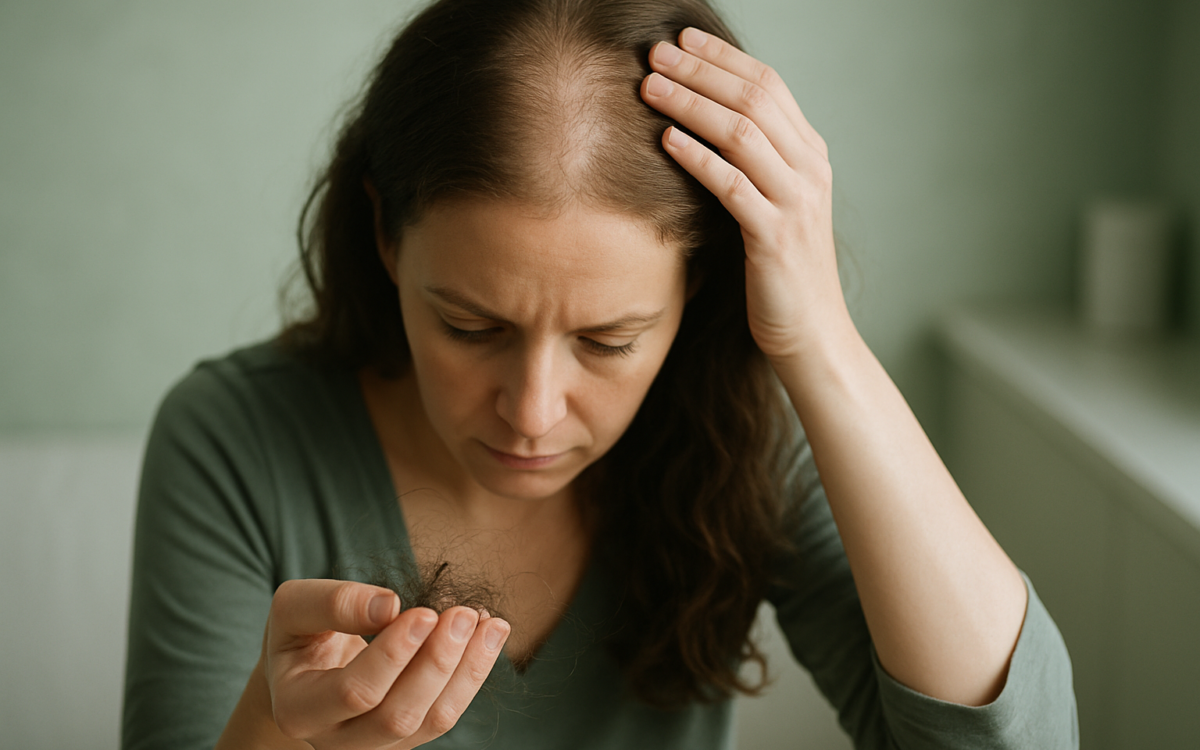
Ladies’ hair loss is more common than many realize, affecting women of all ages and backgrounds. While it’s often assumed that hair loss primarily impacts men, millions of women also face this challenge. Understanding the underlying causes of hair loss can empower women to seek appropriate solutions and regain their confidence.
Understanding hair loss in women
Hair loss in women, also known as alopecia, can present in various ways, including thinning hair, bald spots, and increased shedding. Unlike men, women typically experience a thinning across the entire scalp rather than bald patches. This can lead to feelings of self-consciousness and concern about appearance.
Common causes of ladies’ hair loss
Understanding the causes can help women address hair loss more effectively. Here are some common factors:
Genetic factors
One of the most prevalent causes of hair loss in women is a hereditary condition called androgenetic alopecia, often referred to as female pattern baldness. This condition can begin as early as a woman’s 20s and progresses with age. Genetic predisposition determines both the timing and extent of hair loss.
Hormonal changes
Women experience significant hormonal fluctuations throughout their lives, particularly during puberty, pregnancy, menstruation, and menopause. These changes can trigger temporary or permanent hair loss. For example, the drop in estrogen levels during menopause often leads to noticeable thinning.
Medical conditions
Several medical conditions can contribute to hair loss in women:
- Thyroid disorders: Both hypothyroidism and hyperthyroidism can lead to hair loss.
- Polycystic ovary syndrome (PCOS): This condition can cause imbalances in hormones, affecting hair growth.
- Alopecia areata: An autoimmune disorder that may result in sudden hair loss.
For more detailed information, consider checking out reputable sources like the National Institutes of Health.
Environmental and lifestyle factors
External factors also play a significant role in hair health. Some of these factors include:
Stress
Chronic stress can lead to telogen effluvium, a condition where hair prematurely enters the shedding phase. Stress management techniques can be beneficial in mitigating this issue.
Poor nutrition
A diet lacking essential nutrients can contribute to hair loss. Key nutrients for healthy hair include:
- Proteins
- Vitamins A, D, and E
- Biotin
- Iron
- Zinc
Incorporating a balanced diet rich in these nutrients can enhance hair health. For dietary guidance, the World Health Organization offers helpful resources.
Exploring treatment options
When it comes to addressing ladies’ hair loss, numerous options are available, ranging from topical treatments to lifestyle changes. Here are some effective methods:
Topical treatments
Minoxidil is an over-the-counter topical solution that can promote hair growth in women. It’s important to follow application instructions and consult a healthcare provider to discuss its suitability for individual needs.
Prescription medications
In some cases, doctors may prescribe medications like finasteride for women, particularly those with hormonal imbalances. This approach should be closely monitored by a healthcare professional.
Hair restoration procedures
For those seeking more permanent solutions, surgical options like hair transplants may be considered. This process involves transplanting hair follicles from thicker areas to areas experiencing thinning or balding.
Emotional impacts of hair loss
The emotional toll of hair loss can be significant for many women. Feelings of anxiety, depression, or loss of self-esteem often accompany changes in appearance. It’s essential to recognize these feelings and seek support. Talking to friends, family, or mental health professionals can make a difference.
When to see a doctor
If you notice sudden hair loss or changes in your hair texture or density, it’s important to consult a healthcare provider. They can identify the underlying cause and recommend appropriate treatments. Additionally, if hair loss is accompanied by other symptoms, such as skin changes, itching, or pain, medical attention is necessary.
Conclusion
Ladies’ hair loss is a complex issue influenced by various factors, including genetics, hormonal changes, and lifestyle. By understanding the causes and exploring available treatment options, women can take proactive steps towards managing their hair health. Remember that seeking professional support is crucial in finding the best approach for individual needs.
