
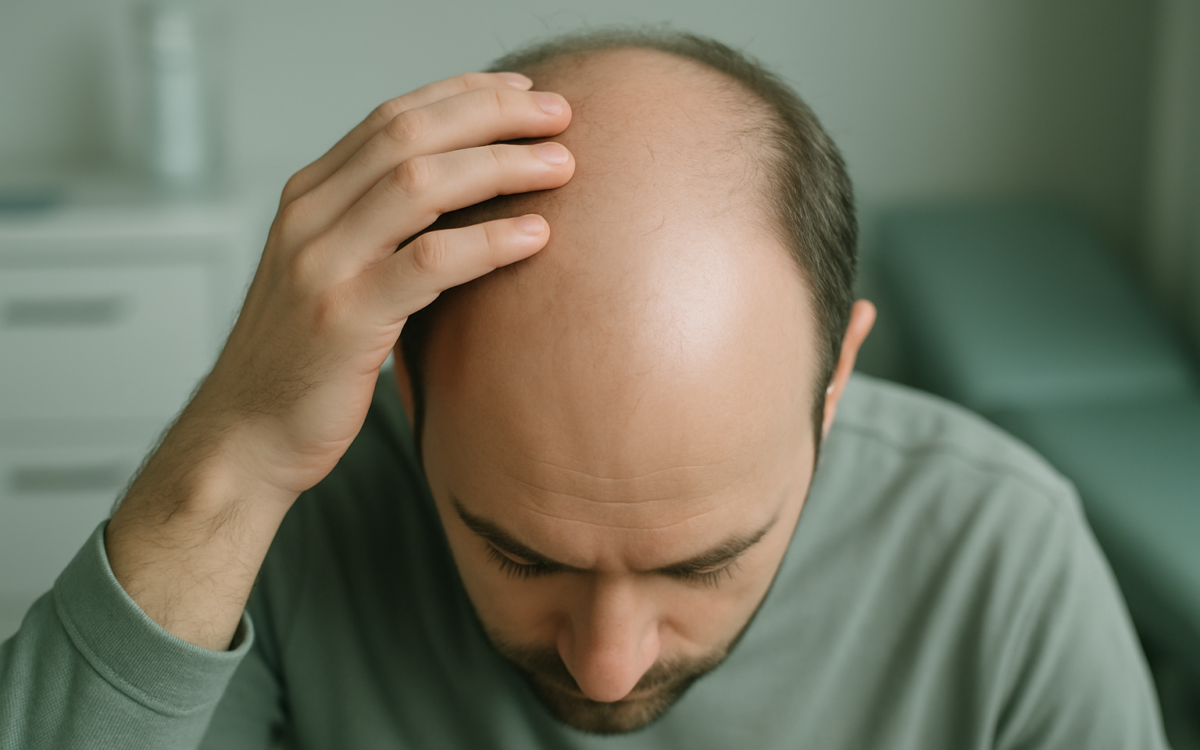
Male pattern hair loss, also known as androgenetic alopecia, is a condition that impacts millions of men. It often starts in the late teens or early twenties and can progress throughout a man’s life. This article delves into what causes male pattern baldness, its signs and symptoms, treatment options, and when to seek professional advice.
What Causes Male Pattern Hair Loss?
Male pattern hair loss is primarily influenced by genetic and hormonal factors. The condition is often hereditary, meaning it can run in families. The hormones involved, particularly dihydrotestosterone (DHT), play a major role as they can lead to the shrinking of hair follicles over time.
Research from the National Institutes of Health suggests that a combination of genetic predisposition and DHT levels determines how and when hair loss occurs. In some men, hair follicles are more sensitive to DHT, leading to earlier onset and more severe hair loss.
Signs and Symptoms of Male Pattern Hair Loss
Identifying male pattern hair loss can be straightforward since it typically follows a recognizable pattern:
- Receding Hairline: The first sign is often a receding hairline, which may begin above the temples.
- Thinning on the Crown: Another common area is the crown of the head, where hair may thin significantly.
- Bald Spots: Over time, these areas may lead to noticeable bald spots.
- Wider Parting: The part in the hair may also appear wider as hair thins.
These symptoms can vary in intensity from person to person. Some might experience rapid hair loss, while others see it happen gradually.
Treatment Options for Male Pattern Hair Loss
While male pattern hair loss is largely genetic, many treatment options are available to help manage or mitigate its effects. These include:
1. Medications
Two of the most recognized medications for male pattern hair loss are minoxidil and finasteride:
- Minoxidil: An over-the-counter topical solution that stimulates hair growth, often used twice a day.
- Finasteride: A prescription oral medication that reduces DHT levels in the scalp, potentially slowing hair loss.
Both treatments may take several months to show results and can have side effects. Consulting with a healthcare professional is crucial to determine the most suitable approach.
2. Hair Transplant Surgery
For those seeking a more permanent solution, hair transplant surgery is an option. This procedure involves moving hair follicles from areas of the scalp that are denser to areas experiencing thinning or balding. According to the Mayo Clinic, hair transplant success varies among individuals, and it can provide a more natural appearance compared to topical treatments.
3. Lifestyle Modifications
While treatments can help, lifestyle choices also play an essential role in hair health. Maintaining a balanced diet rich in vitamins and minerals, particularly biotin and zinc, can support healthy hair growth. Staying hydrated and managing stress are also crucial for overall well-being.
Alternative Therapies
Some individuals explore alternative therapies for hair loss, such as:
- Essential Oils: Oils like peppermint and rosemary have been suggested to promote hair growth, although scientific evidence is limited.
- Laser Therapy: Low-level laser therapy may stimulate hair follicles and improve hair density.
While these approaches may work for some, it’s important to recognize that results can vary significantly. Consulting a healthcare provider before starting any alternative treatments is advisable.
Emotional Impact of Hair Loss
Male pattern hair loss can influence a man’s self-esteem and emotional health. Society often places value on a full head of hair, and losing it can lead to feelings of embarrassment or anxiety. It’s important to address these emotional aspects as part of managing hair loss.
Speaking openly about these feelings with friends, family, or professionals can provide support. Joining support groups or forums can also be helpful in finding community and understanding that many others experience similar feelings.
When to See a Doctor
If you’re noticing significant hair loss or have concerns about your hair thinning, it’s a good idea to consult a healthcare professional. They can assess your situation, rule out underlying health conditions, and discuss possible treatment options that align with your needs.
Conclusion
Understanding male pattern hair loss is your first step toward managing it effectively. By recognizing the causes, exploring treatment options, and addressing the emotional aspects, you can empower yourself to make informed decisions. Remember, you’re not alone in this journey, and support is available.
