
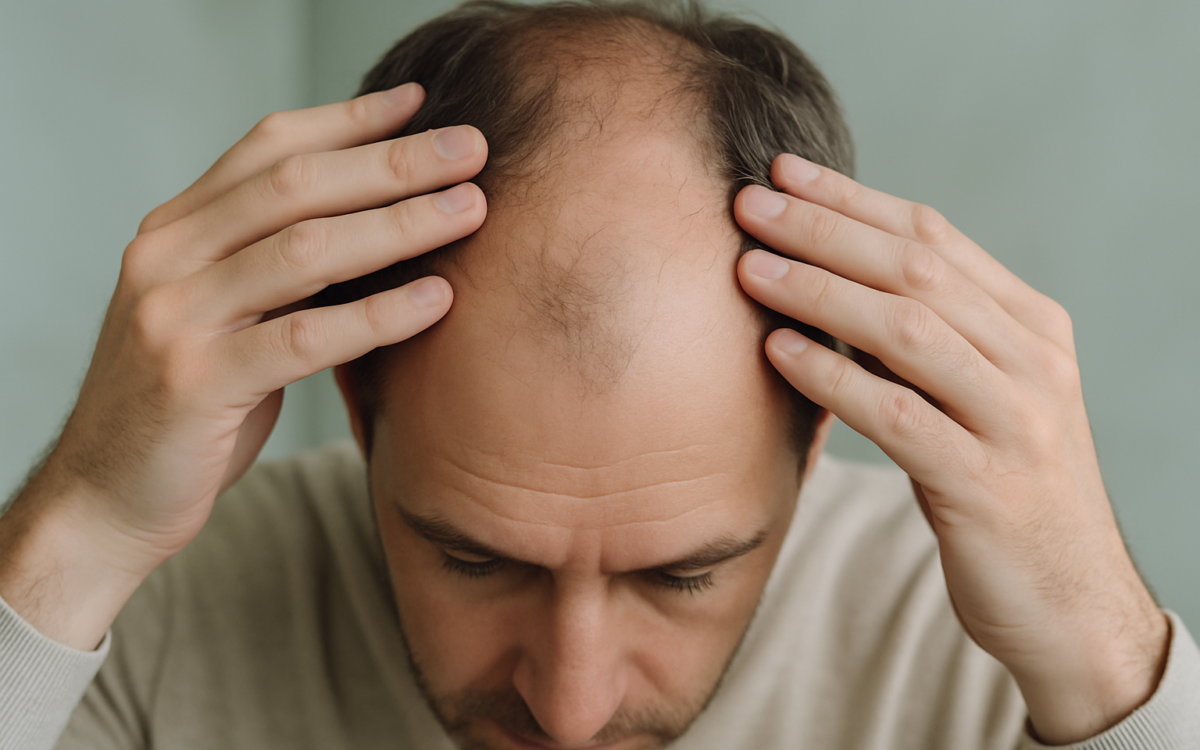
For many men, a thinning hairline can feel like an unwelcome rite of passage. As hair begins to recede, concerns about self-image and confidence may arise. It’s important to understand that you’re not alone in this experience. Millions of men face similar challenges, and various options exist to address hair loss.
What Causes a Thinning Hairline?
A thinning hairline is often a natural part of aging, but various factors contribute to this condition. The most common cause is hereditary male pattern baldness, also known as androgenetic alopecia. Genetics play a significant role, and if your family members faced hair loss, it increases the likelihood that you might too.
Hormonal changes can also influence hair loss. Specifically, dihydrotestosterone (DHT), a derivative of testosterone, can shrink hair follicles and shorten the lifespan of hair. Stress, medical conditions, and certain medications can also lead to thinning hairlines.
Diet and Lifestyle: How They Affect Hair Health
Your diet plays a crucial role in hair health. Nutritional deficiencies can lead to hair thinning. Essential vitamins and minerals like iron, zinc, vitamin D, and biotin are vital for hair growth. A balanced diet rich in fruits, vegetables, proteins, and healthy fats can support not just your overall health but also improve the strength and vitality of your hair.
Healthy lifestyle choices also contribute to hair health. Regular exercise helps improve blood circulation, which can enhance hair follicle function. Getting enough sleep and managing stress through mindfulness, yoga, or hobbies can reduce hair loss caused by tension and anxiety.
Common Treatments for Hair Loss
When it comes to treating a thinning hairline, several options are available. Over-the-counter products containing minoxidil (like Rogaine) are popular choices. This topical treatment encourages hair growth and can help to slow down hair loss.
Prescription medications, like finasteride (Propecia), work by blocking the formation of DHT. These treatments may help improve hair thickness and slow hair loss, but they often come with potential side effects, so it’s essential to discuss these medications with your doctor.
Advanced Options
If you’re looking for more advanced treatments, hair transplant surgery is the most permanent solution. During this procedure, hair follicles are taken from areas of the scalp where hair is thicker and replanted in thinning areas. Additionally, methods like scalp micropigmentation can create the illusion of denser hair. For a more international perspective, many men find effective treatment in Turkey, where skilled specialists offer advanced care options.
Home Remedies: Natural Approaches to Hair Thinning
While professional treatments are effective, some men prefer home remedies. Essential oils like rosemary and peppermint are believed to stimulate hair growth and can be added to a carrier oil for scalp massage. Aloe vera is another natural remedy known for its soothing properties.
It’s crucial to approach home remedies with caution. While some may offer benefits, they can also trigger allergies or reactions in other people. Always perform a patch test if you’re trying new ingredients.
The Emotional Impact of Hair Loss
For many men, hair loss is more than a physical change; it can take an emotional toll. It’s common to feel less confident or anxious about appearance as hair thins. Addressing these feelings is as essential as finding solutions for hair health.
Consider speaking with a therapist or counselor if you’re struggling with the emotional aspect of hair loss. Talking about your feelings can be a helpful step towards building self-esteem and finding ways to cope.
When to See a Doctor
If you’re concerned about your thinning hairline, it may be time to consult a healthcare professional. Seek advice if:
- Your hair loss happens suddenly or in patches.
- You notice scalp irritation or redness.
- You’ve experienced hair loss alongside other symptoms, such as fatigue or weight changes.
A doctor can help determine the underlying cause of your hair loss and recommend appropriate treatments based on your specific situation.
Understanding a thinning hairline can empower you to make informed choices about your hair and overall well-being. Remember, while physical appearance matters, your worth is defined by much more than your hair.
