
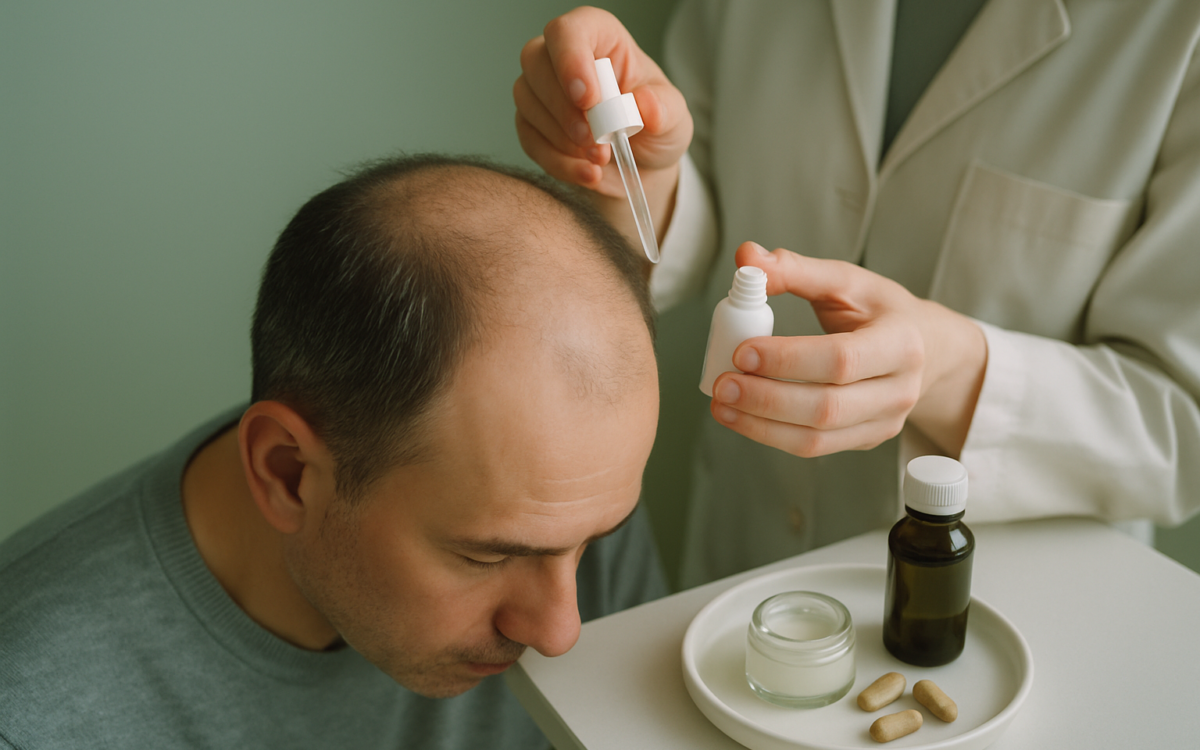
Male pattern baldness, or androgenetic alopecia, is a common concern that affects millions of men worldwide. It often begins with a receding hairline or thinning at the crown, leading to a gradual loss of hair. This condition can impact self-esteem and body image, leading many to seek solutions. Fortunately, a range of remedies exists, from over-the-counter treatments to lifestyle adjustments. This article delves into those options, equipping you with the knowledge to make informed choices.
Understanding Male Pattern Baldness
Before diving into remedies, it’s important to understand the underlying causes of male pattern baldness. Genetic predisposition, hormonal changes, and age are primary factors. Testosterone, the male hormone, plays a crucial role. It converts to dihydrotestosterone (DHT), which can shrink hair follicles and shorten the hair growth cycle, leading to hair thinning and baldness. Recognizing these causes helps in identifying appropriate remedies.
Over-the-Counter Treatments
Several over-the-counter (OTC) options are available that may help slow hair loss or even promote regrowth.
Minoxidil
Minoxidil, commonly known by its brand name Rogaine, is a topical treatment available without a prescription. It comes in liquid or foam form and is applied directly to the scalp. Research has shown that minoxidil can stimulate hair follicles, particularly in the early stages of hair loss. It’s essential to use it consistently for several months to see results. Some clinical studies indicate that about 30% of users may experience noticeable hair regrowth after using minoxidil for 6 months to a year. More information on minoxidil can be found at the National Institutes of Health.
Prescription Medications
If OTC treatments do not yield desired results, consulting a healthcare provider about prescription options can be beneficial.
Finasteride
Finasteride, known as Propecia, is an oral prescription medication that works by blocking the enzymatic conversion of testosterone to DHT. By decreasing the levels of DHT, finasteride can help stop hair loss and, in some cases, encourage regrowth. Clinical studies suggest that around 66% of men experience decreased hair loss after using finasteride for one year. It’s important to discuss potential side effects, including sexual dysfunction and mood changes, with your doctor.
Lifestyle Changes and Natural Remedies
While medical treatments can be effective, certain lifestyle changes might also support hair health and reduce hair loss.
Diet and Nutrition
A well-balanced diet plays a significant role in hair health. Nutrients such as protein, iron, zinc, and omega-3 fatty acids are crucial. Foods like lean meats, fish, eggs, nuts, and leafy greens can promote hair growth. Additionally, staying hydrated is vital for overall health, including hair health.
Stress Management
High stress levels can exacerbate hair loss. Engaging in stress-relief techniques such as meditation, exercise, and hobbies can contribute to better overall health and potentially mitigate some hair loss. Regular physical activity not only improves cardiovascular health but can also reduce stress levels, fostering a healthier environment for hair growth.
Hair Transplant Surgery
For those seeking more permanent solutions, hair transplant surgery is a viable option. This procedure relocates hair follicles from a donor site on the scalp to the balding areas. The two main types of hair transplant techniques are FUE (Follicular Unit Extraction) and FUT (Follicular Unit Transplantation). While this option can be effective, it is vital to research thoroughly and consult with a qualified professional to assess whether you are a suitable candidate.
Emerging Treatments
As research continues, new treatments are on the horizon. For instance, low-level laser therapy has gained attention for its potential to stimulate hair follicles and promote growth. Additionally, medications like platelet-rich plasma (PRP) therapy are being studied for efficacy in treating hair loss. Always consult with a healthcare provider to understand which new treatments may be appropriate for your situation.
When to See a Doctor
If you notice significant hair loss, the best course of action is to speak with a healthcare professional. Conditions like thyroid problems, nutritional deficiencies, or skin conditions can lead to hair loss and may require medical attention. Even if you suspect male pattern baldness, a doctor can help determine the cause and recommend effective treatments suited to your needs.
Often, doctors suggest monitoring your hair loss pattern, discussing your family history, and possibly running tests to rule out other issues before starting treatment.
In summary, male pattern baldness is a common condition with various treatment options available. Whether you opt for OTC treatments, prescription medications, lifestyle changes, or surgical options, understanding your choices can empower you to take action. Ultimately, seeking guidance from a healthcare professional can lead you to the most appropriate remedies for your situation, helping you look and feel your best.
