
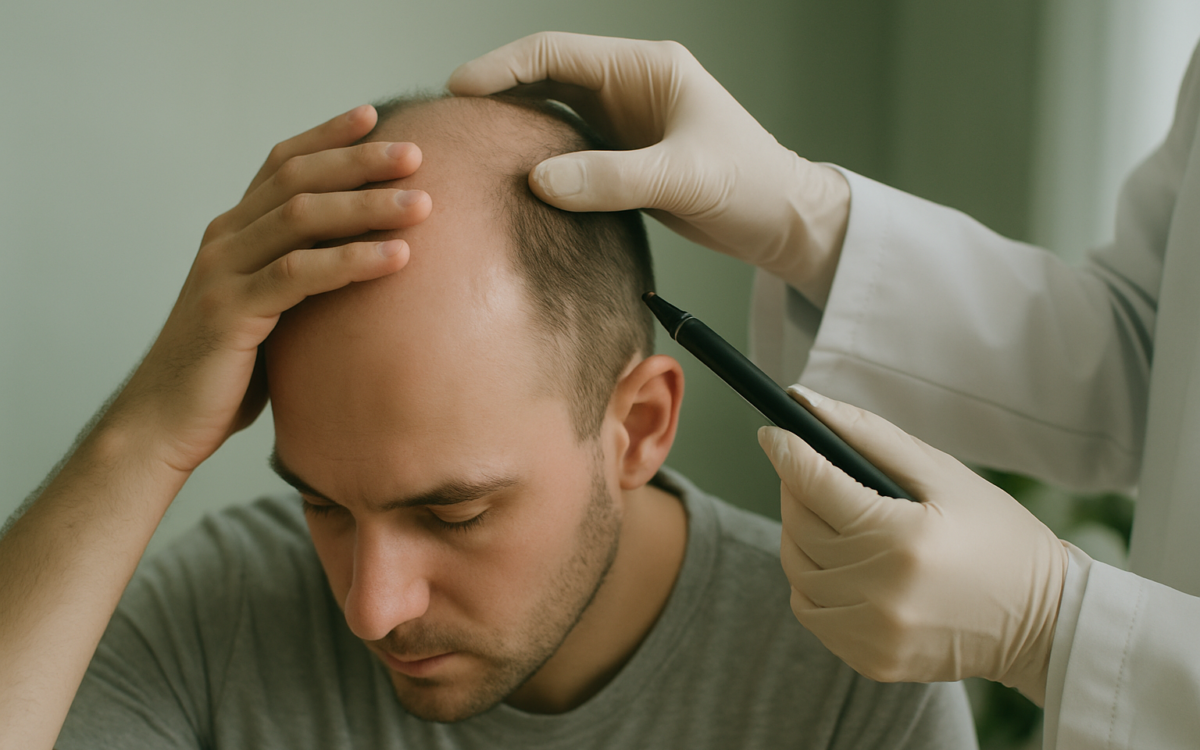
Baldness is a common concern among men, affecting a significant percentage of the population. For many, losing hair can impact self-esteem and body image, sparking questions about why this happens. In this article, we’ll explore the primary causes of male baldness and provide insights into this natural process.
The Science of Hair Growth
To understand why men go bald, it’s essential to know how hair grows. Hair grows in cycles, with three main phases: the anagen phase (growth), the catagen phase (transition), and the telogen phase (rest). Each strand of hair can remain in the anagen phase for 2 to 6 years before shedding. On average, a person loses about 50 to 100 hairs daily, which is perfectly normal. However, when hair loss becomes more pronounced, it may signal a problem.
Genetics: The Major Factor
One of the primary reasons men go bald is genetics. Male pattern baldness, also known as androgenetic alopecia, is hereditary and typically follows a specific pattern. This condition occurs when hair follicles shrink due to the effects of dihydrotestosterone (DHT), a derivative of testosterone.
The Genetics Home Reference states that if close relatives, like your father or grandfather, experienced baldness, your chances of facing the same fate increase. You can inherit this genetic predisposition from either side of your family.
Hormones and Their Impact
Hormones play a crucial role in hair thinning and baldness. Testosterone is vital for many men’s physical characteristics, but when testosterone converts to DHT, it can negatively affect hair follicles. DHT attaches to receptors in the scalp and causes hair follicles to shrink, ultimately leading to decreased hair production.
Besides DHT, other hormonal changes—such as those associated with stress, age, or illness—can also contribute to hair loss. For example, increased cortisol levels from stress can affect your overall health, indirectly impacting hair growth.
Health Conditions and Their Links
Various health conditions can result in hair loss. Two notable conditions are alopecia areata and thyroid disorders. Alopecia areata is an autoimmune disorder where the body’s immune system attacks hair follicles, leading to sudden hair loss. Hormonal imbalances caused by thyroid dysfunction can also result in hair thinning or shedding.
Additionally, certain skin conditions like psoriasis or fungal infections can irritate the scalp, leading to hair loss. Maintaining good overall health is crucial, as poor nutrition or chronic illnesses can also play a role.
Lifestyle Factors That Contribute
Several lifestyle choices may exacerbate hair loss. Poor nutrition, smoking, and excessive alcohol consumption can impact hair health. A diet low in essential nutrients—like vitamins A, D, E, and certain B vitamins, as well as minerals like iron and zinc—can weaken hair strands and lead to thinning.
Moreover, stress management is critical. As mentioned earlier, high-stress levels can trigger hair loss or make it worse. Engaging in regular physical activity, practicing relaxation techniques, and ensuring proper sleep can foster a healthier scalp and potentially slow hair loss.
Common Treatments and Options
If you’re experiencing significant hair loss, it’s essential to discuss it with a healthcare provider. They can offer guidance tailored to your specific needs. Some common treatments for male baldness include:
- Minoxidil: An over-the-counter topical solution that can help stimulate hair growth.
- Finasteride: A prescription medication that can reduce DHT levels, potentially slowing hair loss.
- Hair Transplants: A surgical option for redistributing hair follicles from denser areas to thinning spots.
Always consult with a healthcare professional before starting any treatment to ensure it’s right for you.
When to See a Doctor
While some hair loss is normal, it may be time to consult with a healthcare provider if:
- You notice sudden or patchy hair loss.
- You’re losing hair more than usual (more than the typical 50 to 100 strands a day).
- You have other symptoms, such as scalp irritation or skin changes.
Your healthcare provider can help determine the cause of hair loss and recommend effective treatment options, if necessary.
In conclusion, while male baldness is primarily driven by genetic and hormonal factors, other health conditions and lifestyle choices can also contribute. Understanding the underlying causes can empower men to approach their hair loss with greater knowledge, enabling them to seek appropriate treatments and support as needed.
