
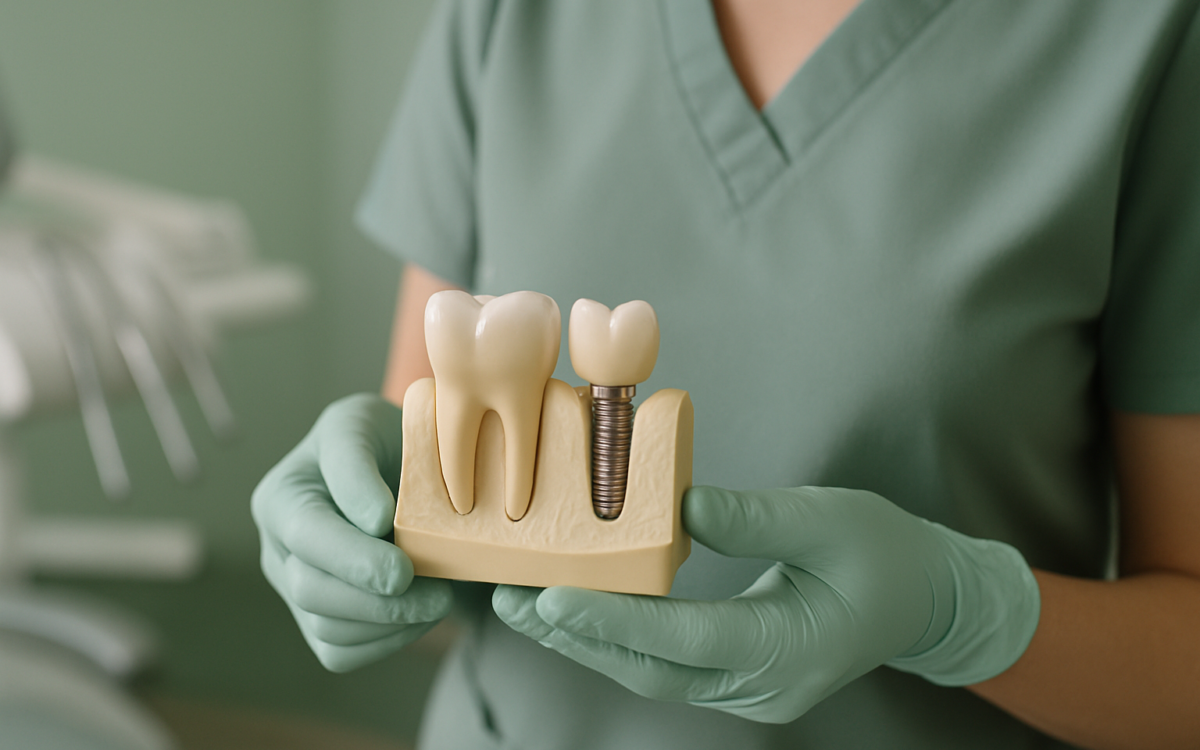
When a tooth goes missing, it can affect more than just your smile—it can impact your self-esteem, ability to eat, and even your overall health. One effective solution to address this issue is dental implants. They provide a durable and natural-looking option for tooth replacement, allowing individuals to regain function and confidence. In this article, we will explore the ins and outs of dental implants for missing teeth, from the procedure itself to potential benefits and considerations.
What are Dental Implants?
Dental implants are artificial tooth roots, typically made from titanium, that are surgically placed into the jawbone to support replacement teeth. Unlike dentures or bridges, implants provide a very stable base for crowns, allowing for a more natural feel when chewing or speaking. They replace not only the visible part of the tooth but also the root, which helps maintain jawbone health.
Benefits of Dental Implants
Opting for dental implants can offer several advantages over other tooth replacement methods. Here are some key benefits:
- Durability: With proper care, dental implants can last a lifetime, making them a long-term solution for missing teeth.
- Natural Appearance: Implants are designed to look and feel like your natural teeth, blending seamlessly into your smile.
- Bone Health: Implants help stimulate jawbone growth, preventing bone resorption that can occur with missing teeth.
- No Damage to Adjacent Teeth: Unlike bridges, implants don’t require altering neighboring teeth for support, preserving their integrity.
- Improved Functionality: With dental implants, individuals can eat their favorite foods without worrying about their teeth shifting or coming loose.
The Dental Implant Procedure
Understanding the dental implant process is crucial for anyone considering this option. Here’s an overview:
1. Initial Consultation
Your journey begins with a consultation with a dental professional. They will assess your oral health and determine if dental implants are a good fit. X-rays and scans may be needed to evaluate bone density.
2. Implant Placement
In the first surgical step, the dental implant is placed into the jawbone. This procedure is usually done under local anesthesia, ensuring minimal discomfort. After placement, a healing period begins during which the implant fuses with the jawbone, a process known as osseointegration.
3. Abutment Placement
Once healing is complete, a small connector called an abutment is placed on top of the implant. This piece holds the final crown in place.
4. Crown Fabrication and Placement
The final step is creating and attaching the crown, the visible part of the tooth. Custom-made crowns ensure the best fit and aesthetic appearance.
Potential Risks and Considerations
As with any medical procedure, there are potential risks associated with dental implants. It’s essential to consider:
- Infection: There’s a risk of infection at the implant site, which can be managed with proper post-operative care.
- Nerve Damage: Occasionally, implants can affect nearby nerves, leading to pain or numbness.
- Sinus Issues: If implants are placed in the upper jaw, they could extend into the sinus cavity, causing complications.
Caring for Dental Implants
Maintaining oral hygiene is vital when you have dental implants. Caring for your implants involves:
- Daily Brushing and Flossing: Just like natural teeth, implants require regular brushing and flossing to prevent gum disease.
- Regular Dental Check-ups: Schedule periodic appointments with your dentist to monitor the health of your implants and surrounding gums.
- Avoiding Hard Foods: While implants are sturdy, excessively hard foods can cause damage, so be mindful of your diet.
Cost of Dental Implants
The cost of dental implants can vary significantly based on several factors, including the number of implants needed, the materials used, and geographic location. Generally, dental implants can be more costly upfront than dentures or bridges, but considering their longevity and benefits, they can be a cost-effective option in the long run. Insurance coverage may also vary, so it’s best to check with your provider regarding available benefits.
When to See a Doctor
If you have missing teeth and are considering dental implants, it’s essential to consult a dental professional. Seek immediate help if you experience pain, swelling, or any signs of infection after the procedure, or if your implants feel loose or uncomfortable weeks after placement.
Dental implants can dramatically enhance your quality of life and restore function and aesthetic appeal to your smile. By understanding the procedure, benefits, and care involved with dental implants, you can make an informed decision to address your missing teeth. For more information, consider speaking with your dental care provider about whether implants are the right option for you.
