
A bright smile can make a significant difference in how we feel about ourselves. It often reflects confidence and health. Teeth whitening has become increasingly popular, with options ranging from at-home kits to professional in-office treatments. For many, the decision boils down to whether the investment in in-office whitening is truly worth the price. In this article, we will explore the benefits, costs, and considerations involved in choosing in-office teeth whitening.
Understanding Teeth Whitening Options
Before diving into the in-office whitening experience, it’s important to understand the different types of whitening options available:
- At-home whitening kits: These typically involve custom trays made by a dentist or over-the-counter strips and gels that contain peroxide.
- In-office whitening: This professional treatment is performed by a dentist and involves stronger bleaching agents, delivered under controlled conditions.
- Whitening toothpastes: While these can help remove surface stains, they usually don’t provide dramatic results like the other options.
Benefits of In-Office Whitening
In-office teeth whitening comes with several appealing advantages:
- Immediate Results: One of the biggest appeals of in-office whitening is the instantaneous effect. After just one session, many patients leave with noticeably whiter teeth.
- Professional Supervision: Dentists are trained to ensure that the whitening process is safe and effective, minimizing the risk of damage to the gums or enamel.
- Customization: Your dentist can tailor the procedure to account for the specific needs of your teeth and your whitening goals.
- Longer-lasting Effects: Many find that the results from in-office treatments tend to last longer than at-home alternatives.
- Safety: Professional treatments usually use stronger bleaching agents that are applied safely under dental supervision.
Cost Considerations
Cost is a major factor when deciding whether to undergo in-office teeth whitening. The prices for these procedures can vary significantly, typically ranging from $300 to $1,000, depending on the dentist and location. Here are some cost factors to consider:
- Geographical Variations: Prices may be higher in urban areas compared to rural locations.
- Type of Treatment: Some treatments may be more intensive and, thus, more expensive.
- Insurance Coverage: Most dental insurance plans do not cover whitening treatments since they are considered cosmetic. It’s important to verify your plan’s details before proceeding.
- Long-term Investment: While the upfront cost is higher than at-home kits, professional results may last longer, potentially saving money on frequent re-treatments.
Risks and Considerations
While in-office whitening is generally safe, there are some risks to be aware of:
- Tooth Sensitivity: Many people experience increased sensitivity during and after whitening treatments, particularly if they have existing dental issues.
- Gum Irritation: If not done carefully, the whitening agent can irritate your gums, leading to discomfort.
- Not for Everyone: Those with certain dental conditions or sensitivities may not be suitable candidates for in-office whitening.
- Temporary Results: Although results are often impressive initially, they typically fade over time, requiring touch-ups.
What to Expect During Your Whitening Appointment
If you decide to proceed with in-office whitening, here’s what you can expect during your appointment:
- Consultation: Your dentist will evaluate your teeth and discuss your whitening goals. They may take photographs or impressions if necessary.
- Preparation: Your gums and soft tissue will be protected with a barrier, and the whitening agent is applied to your teeth.
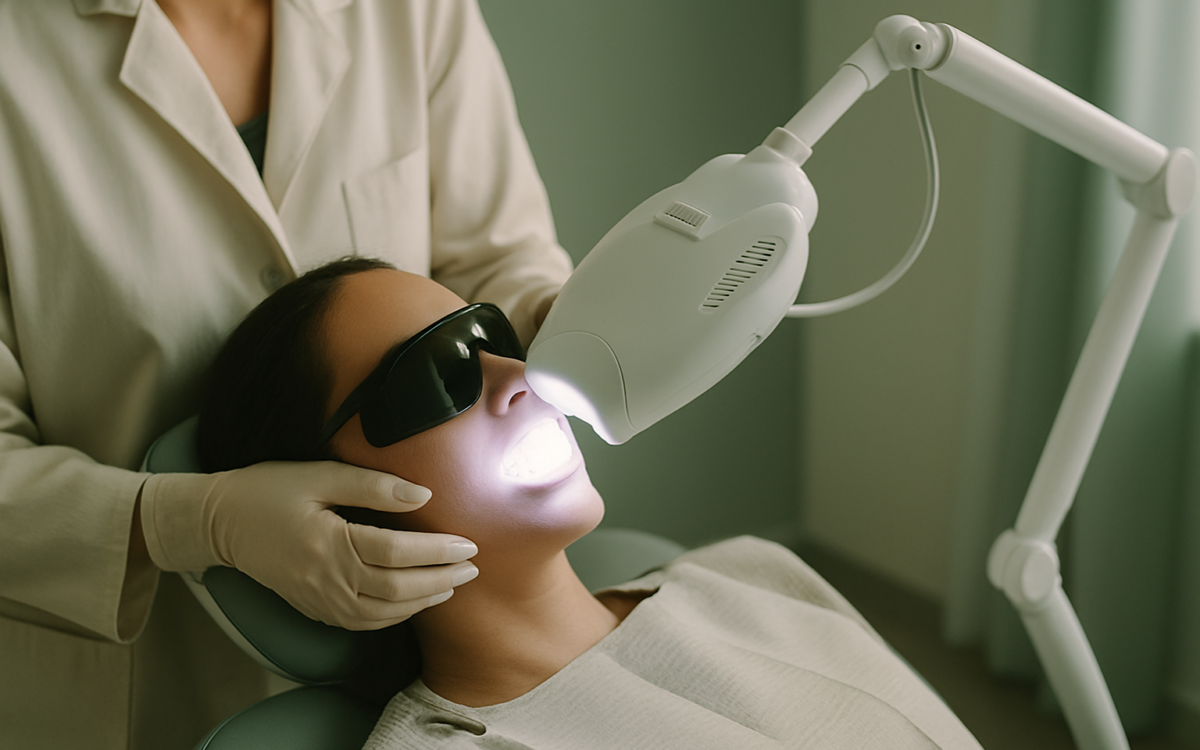
- Activation: Some treatments involve using a special light or laser to activate the whitening agent, enhancing its effectiveness.
- Results: After a set period, the whitening agent is removed, and you’ll often see immediate results.
When to See a Dentist
Before beginning any whitening treatment, it’s wise to consult your dentist. They can assess your oral health and help you determine if in-office whitening is a suitable option. Other signs that you should see a dentist include:
- Persistent sensitivity or pain in your teeth
- Gum inflammation or irritation
- Stains that do not respond to whitening treatments
Conclusion
In-office teeth whitening can be a worthwhile investing for many, providing immediate results and professional care. By understanding the benefits, costs, and potential risks, you can make an informed decision that best suits your dental health and personal goals. If a brighter smile is on your wishlist, consult your dentist to explore the best options for you.
