
Everyone loves a bright, white smile. It not only boosts your confidence but also leaves a lasting impression. One popular method to achieve this bright smile is through tooth whitening gel. But how do these gels work, and what should you know before using them? Let’s dive into the world of tooth whitening gel.
What Is Tooth Whitening Gel?
Tooth whitening gel is a product used to lighten the color of your teeth, helping to remove stains and discoloration. You’ll find these gels in various formulations and strengths, including those that can be used at home and those administered by dental professionals. The active ingredient in most tooth whitening gels is hydrogen peroxide or carbamide peroxide, which breaks down into hydrogen peroxide in the mouth and effectively bleaches the teeth.
How Does Tooth Whitening Gel Work?
The whitening process involves a series of chemical reactions. When applied to the teeth, the peroxide penetrates the enamel and dentin layers to remove embedded stains. This process alters the molecular structure of the pigments within your teeth, causing them to reflect a lighter color.
Types of Tooth Whitening Gels
There are typically two main types of tooth whitening gels: those for professional use and those available for home use.
Professional Whitening Gels
Professional whitening treatments are generally stronger and can only be applied by a dentist. These treatments often involve custom-fitted trays to deliver the gel directly to your teeth for maximum effectiveness. According to the Mayo Clinic, professional treatments can lighten teeth up to several shades in a single visit.
At-Home Whitening Gels
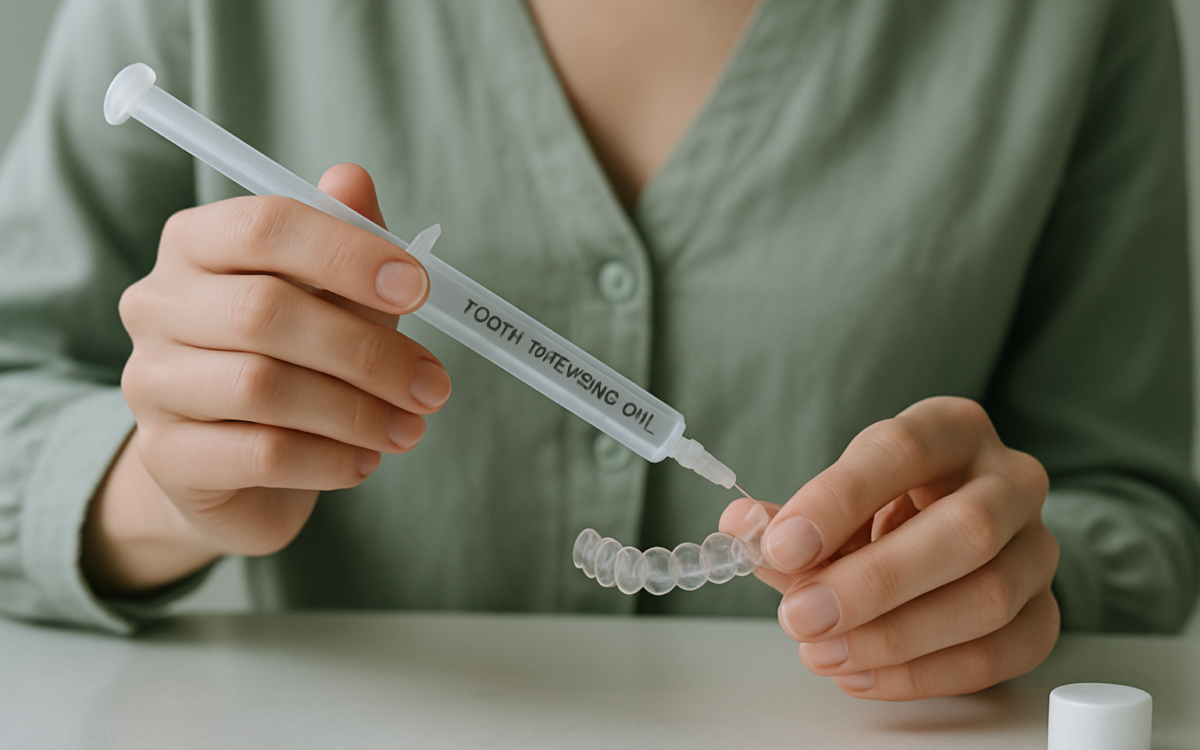
At-home whitening gels are available over the counter and can vary in strength and effectiveness. These can include strips, trays, or even pens that release the whitening gel directly onto the teeth. While they are convenient, it’s essential to follow the instructions and avoid overuse, as this can lead to tooth sensitivity or gum irritation, as noted by the NIH.
Benefits of Using Tooth Whitening Gel
- Enhanced Aesthetics: A brighter smile can improve your overall appearance and self-esteem.
- Quick Results: Most users see noticeable results within a few days to weeks, depending on the product used.
- Convenience: At-home products allow for flexibility, making it easy to whiten your teeth at your convenience.
Potential Side Effects of Tooth Whitening Gel
While tooth whitening gels are generally considered safe, some individuals may experience side effects. The most common issues include:
- Tooth Sensitivity: Some users may feel increased sensitivity to hot or cold temperatures.
- Gum Irritation: If the gel comes into contact with your gums, it can cause temporary irritation.
- Uneven Results: In cases where the gel is not applied evenly, some teeth may appear whiter than others.
If you experience lingering sensitivity or severe irritation, it’s important to consult a dental professional.
Safety Guidelines for Using Tooth Whitening Gel
To ensure safe and effective whitening, consider the following tips:
- Consult Your Dentist: Before starting any whitening treatment, discuss your options with your dentist, especially if you have sensitive teeth or existing dental issues.
- Follow Instructions: Always use the product as directed on the package to avoid overexposure and potential damage to your teeth or gums.
- Limit Use: Avoid overusing whitening gels, as they can lead to enamel erosion and increasing tooth sensitivity.
When to See a Doctor
If you have underlying dental conditions like cavities, gum disease, or if you experience significant discomfort after using a whitening gel, it’s crucial to consult a dentist to discuss your symptoms and treatment options.
Conclusion
Tooth whitening gel can be an effective way to brighten your smile, but it’s essential to approach its use with knowledge and care. By understanding the different types, benefits, and safety precautions, you can make informed decisions for your dental health. Remember, when in doubt, always consult with a dental care professional.
