
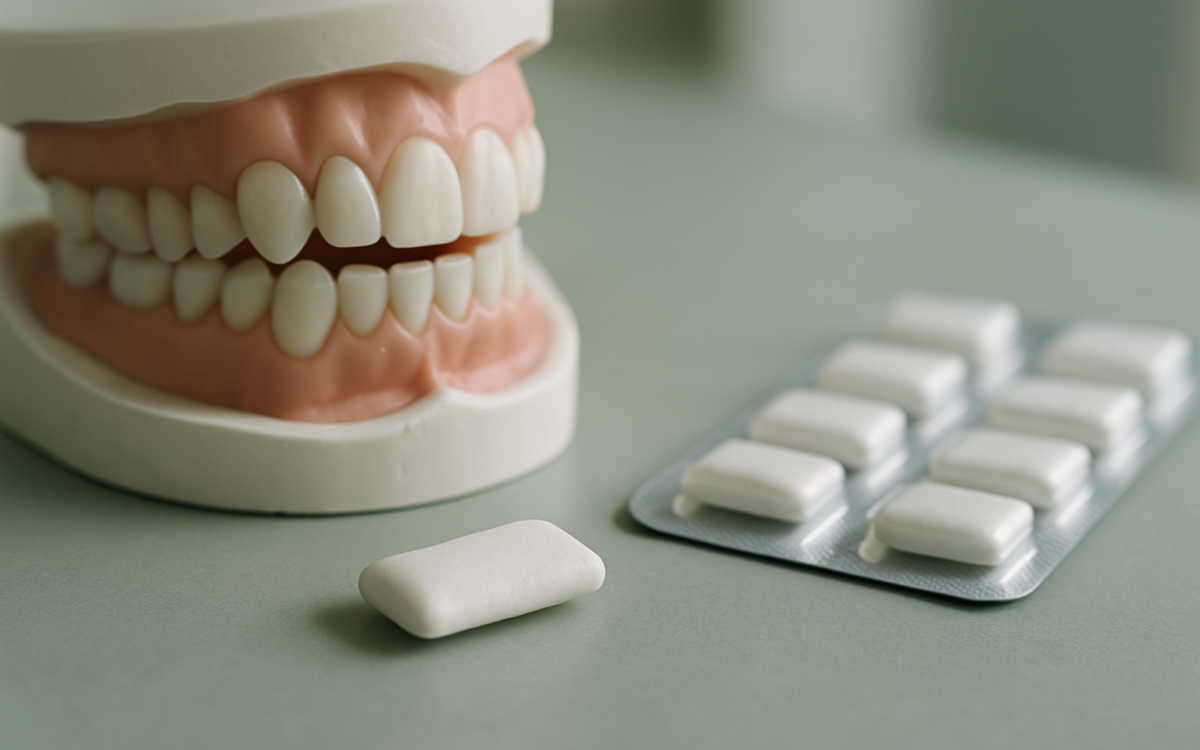
In the world of snacks and treats, chewing gum often finds itself in a gray area when it comes to dental health. You might have heard conflicting advice about gum—some say it can ruin your teeth, while others tout its benefits. So, what’s the truth? Let’s delve into the details and find out if chewing gum is bad for your teeth.
The Ingredients of Gum
Chewing gum is typically made from a core of gum base mixed with sweeteners, flavorings, and softeners. While many types of gum contain sugar, which can contribute to cavities, not all gum is created equal. Sugar-free gum is an alternative that has gained popularity for its potential oral health benefits.
How Gum Can Affect Oral Health
Multiple factors determine how chewing gum may impact your teeth. Below, we explore both the potential harms and benefits.
Potential Harms
- Cavity-Causing Sugar: Chewing gum with sugar can lead to cavities. When sugar is left on teeth, it creates an environment where harmful bacteria thrive, producing acids that can erode tooth enamel.
- Jaw Strain: Excessive chewing can lead to jaw discomfort or pain. Individuals with temporomandibular joint (TMJ) disorders should be cautious about how much gum they chew.
Potential Benefits
- Stimulates Saliva Production: Chewing gum increases saliva flow. Saliva is a natural defender against cavities, as it helps wash away food particles and neutralizes acids produced by bacteria.
- Reduces Plaque Buildup: Some studies suggest that sugar-free gum may reduce plaque formation and help maintain oral hygiene when used alongside regular brushing and flossing.
- Freshens Breath: Gum can mask bad breath and stimulated saliva helps in maintaining a healthier mouth overall.
Choosing the Right Gum
If you enjoy chewing gum, selecting the right type can make a difference in your dental health. Here are some tips:
- Opt for Sugar-Free: Look for gum that is labeled sugar-free. Many contain sweeteners like xylitol, which can be beneficial for dental health.
- Check for ADA Seal: The American Dental Association (ADA) awards a seal of approval to certain types of gum that meet specific criteria for safety and efficacy in promoting oral health.
How Chewing Gum Fits into Your Oral Hygiene Routine
While chewing gum can be a fun and enjoyable way to freshen your breath, it should not replace brushing and flossing. Here are some ways gum can fit into an effective oral hygiene routine:
- After Meals: Chewing sugar-free gum after meals can help mitigate the impact of food on teeth by stimulating saliva production, which can lower acid levels.
- Between Brushings: If you can’t brush your teeth immediately after consuming food, a piece of sugar-free gum can help keep your mouth cleaner until you can.
When to See a Doctor
If you experience persistent dental discomfort, unusual symptoms, or have questions about your oral health, it’s essential to consult with a dentist. They can provide personalized advice and suggest ways to maintain healthy teeth and gums.
Conclusion
In summary, whether chewing gum is bad for your teeth largely depends on the type of gum you choose and how often you indulge. Sugar-free options can actually support oral health when used appropriately. Always remember to maintain a balanced oral hygiene routine with regular brushing and flossing for the best care of your teeth.
For more information on maintaining optimal dental health, consider checking resources from reputable organizations like the Mayo Clinic or the CDC.
