
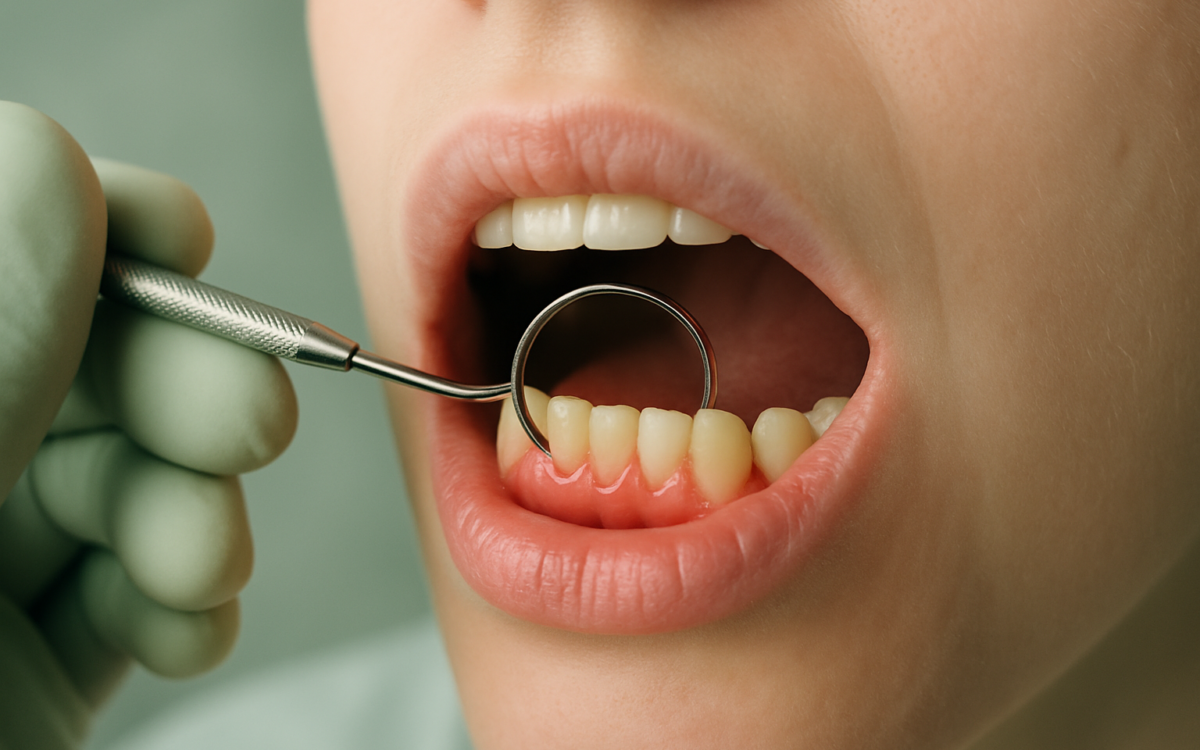
Swollen gingivitis is a term that many people may encounter, particularly if they experience discomfort or inflammation in their gums. Understanding this condition is essential, as it can impact not just your oral health, but your overall well-being. When gums become swollen, they may also become red, tender, and bleed easily, often indicating a more significant issue related to oral hygiene. This article aims to provide you with a comprehensive view of swollen gingivitis, its causes, symptoms, treatment options, and preventive measures.
What is swollen gingivitis?
Gingivitis is the early stage of gum disease, associated with inflammation of the gum tissue. It occurs when plaque—a sticky film of bacteria—builds up on the teeth and gums. If not removed through regular brushing and flossing, this plaque can lead to swollen, reddened gums that may bleed during brushing or flossing. Swollen gingivitis is a sign that your gums are reacting to accumulated bacteria and poor oral hygiene.
Common causes of swollen gingivitis
Several factors can contribute to the development of swollen gingivitis, including:
- Poor oral hygiene: Inadequate brushing and flossing allow plaque to accumulate, leading to inflammation.
- Tobacco use: Smoking or chewing tobacco can impair gum health and worsen symptoms of gingivitis.
- Diet: A diet low in essential nutrients, particularly vitamin C, can compromise your immune response, increasing susceptibility to gum disease.
- Hormonal changes: Fluctuations in hormones, such as during puberty, menstruation, or pregnancy, can make gums more sensitive and vulnerable.
- Medical conditions: Certain diseases, including diabetes and autoimmune disorders, can affect gum health.
Symptoms to watch out for
The symptoms of swollen gingivitis can vary from mild to severe. Common signs include:
- Swollen, red, or tender gums
- Bleeding gums while brushing or flossing
- Persistent bad breath
- Gums that recede from the teeth
- Sensitivity to hot or cold foods
If you notice any of these symptoms, it’s a good idea to improve your oral hygiene routine and consult with a healthcare provider for a thorough evaluation.
Diagnosing swollen gingivitis
To diagnose swollen gingivitis, a dental professional will typically perform a thorough examination of your gums and teeth. They may use special instruments to measure the depth of the pockets between your teeth and gums. If these pockets are deeper than usual or if bleeding is present, it may indicate a more serious stage of gum disease. X-rays may also be taken to check for any bone loss around your teeth.
Treatment options and preventive measures
The good news is that swollen gingivitis is often reversible with proper treatment and care. Here are some common treatment options:
- Professional dental cleaning: A dental hygienist can remove plaque and tartar buildup that regular brushing cannot reach.
- Antibacterial mouth rinses: These can help reduce plaque accumulation and combat bacteria.
- Improved oral hygiene practices: Brush your teeth at least twice a day, floss daily, and consider using an electric toothbrush for more effective cleaning.
- Dietary changes: Incorporate foods high in vitamins and minerals to support gum health.
Preventive measures are equally important to maintain gum health:
- Schedule regular dental check-ups at least twice a year.
- Limit sugar and acidic foods that can erode enamel and lead to cavities.
- Avoid tobacco products that can hinder gum recovery.
When to see a doctor
If you experience persistent symptoms of swollen gingivitis or if your gums do not improve despite improving your oral hygiene, it’s important to consult a dentist. Chronic gingivitis can potentially progress to periodontitis, a more severe gum disease that can result in tooth loss and other complications. Early intervention is key in preventing long-term damage to your gums and teeth.
Conclusion
Swollen gingivitis is a common condition that can be easily managed with good oral hygiene and regular dental visits. By understanding its causes, symptoms, and preventive measures, you can take proactive steps towards maintaining healthy gums. Always remember that your oral health is a reflection of your overall health, so taking care of your teeth and gums should be a priority. If you have concerns about your gum health, consult with a dental professional for personalized guidance.
For more information, feel free to visit resources such as the Mayo Clinic, CDC, and NIH to explore further health topics related to oral hygiene and gingivitis.
