
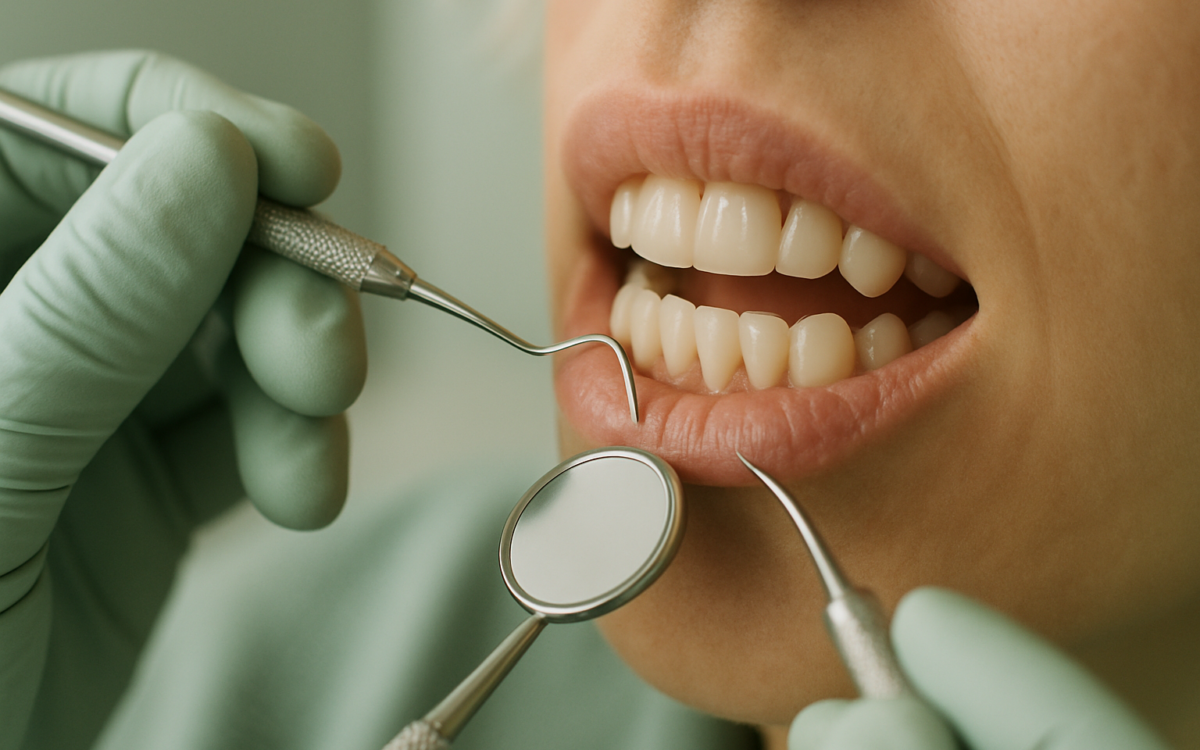
Every smile tells a story, but it can also reveal much about our health, particularly our teeth and gums. Maintaining good oral hygiene is essential, not just for a beautiful smile but also for overall well-being. In this article, we will explore the importance of caring for your teeth and gums, common issues that can arise, and effective preventive measures you can take.
The Importance of Healthy Teeth and Gums
Your teeth and gums are more than just tools for chewing; they play a vital role in your digestive health and overall quality of life. Healthy gums anchor your teeth in place and help prevent bacteria from entering your bloodstream. Poor oral health can lead to serious conditions, including heart disease and diabetes, underscoring the critical need for proper dental care.
Understanding Gum Disease
Gum disease, or periodontal disease, is a common condition that starts with inflammation of the gums. This inflammation is caused by a buildup of plaque—a sticky film of bacteria that forms on your teeth. If left untreated, gum disease can progress to affect the bone that supports your teeth.
Stages of Gum Disease
- Gingivitis: The earliest stage characterized by red, swollen gums that may bleed when brushing.
- Periodontitis: More severe than gingivitis, this stage involves the loss of connective tissue and bone, providing pathways for bacteria to infect vital areas of the mouth.
Recommended Oral Hygiene Practices
Maintaining healthy teeth and gums requires consistent and effective oral hygiene practices. Here are some fundamental tips:
- Brush Twice Daily: Use a fluoride toothpaste and brush for at least two minutes, ensuring you reach all areas of your mouth.
- Floss Daily: Flossing removes plaque and food particles between teeth where your toothbrush can’t reach.
- Use Mouthwash: An antimicrobial mouthwash can help reduce plaque and bacteria.
- Limit Sugary Foods: Sugar can contribute to tooth decay and gum disease.
- Stay Hydrated: Drinking water helps wash away food particles and bacteria.
Regular Dental Checkups
Scheduled visits to your dentist are crucial for maintaining oral health. Dentists can identify early signs of gum disease, tooth decay, and other issues that may not be visible to you. Regular cleanings help remove plaque and tartar buildup, making it easier to maintain a healthy mouth. According to the CDC, adults should see a dentist at least once a year for checkups and cleanings.
What to Watch For
Being vigilant about your oral health means recognizing potential problems. Some common symptoms that warrant further investigation include:
- Persistent bad breath
- Bleeding gums, especially during brushing or flossing
- Receding gums
- Loose teeth or changes in bite
- Gum swelling or tenderness
When to See a Doctor
If you notice any of the above symptoms, it’s essential to consult your dentist promptly. Early intervention can prevent more severe issues down the line. Additionally, if you have chronic health conditions such as diabetes or heart disease, be sure to discuss how these conditions could affect your oral health with your healthcare provider.
Conclusion
Taking care of your teeth and gums is crucial for your overall health. By practicing good oral hygiene, visiting your dentist regularly, and being aware of potential issues, you can enjoy a healthy smile for years to come. Investing time and effort into caring for your mouth is an investment in your health, confidence, and quality of life.
