
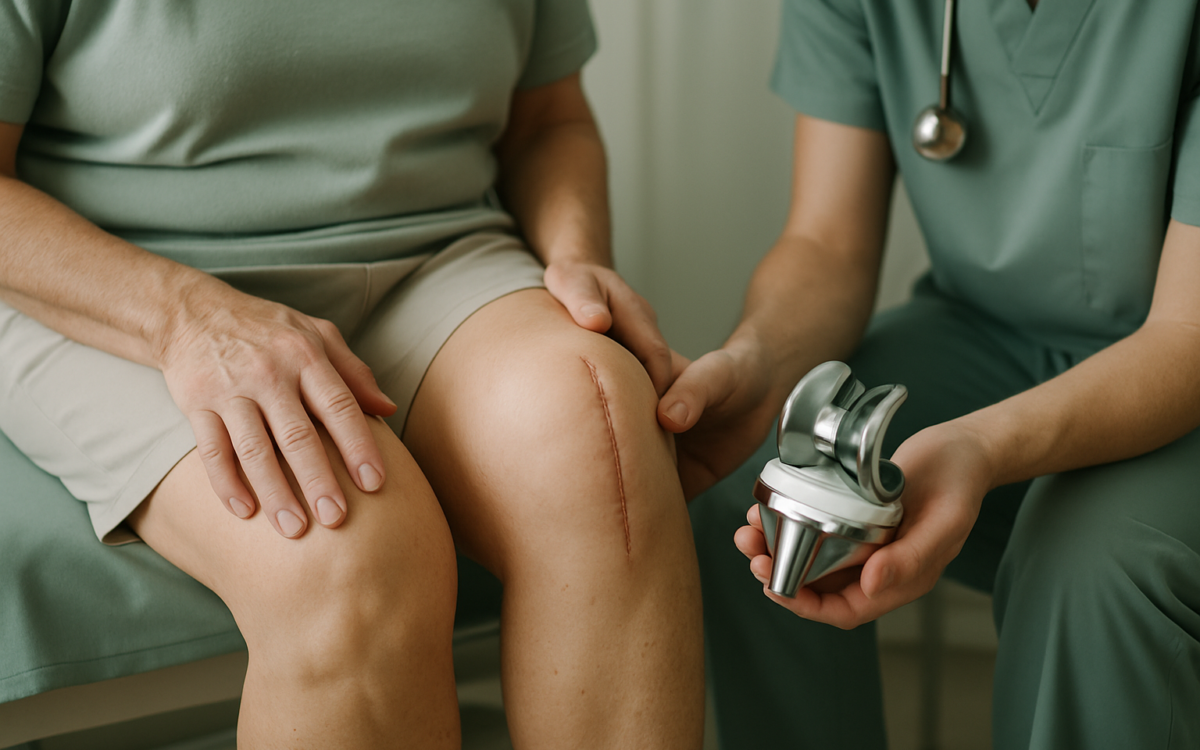
For many people suffering from severe knee pain due to arthritis or injury, total knee replacement (TKR) surgery offers a new lease on life. This procedure can restore mobility and alleviate pain, helping individuals return to their daily activities. But with the procedure comes a host of questions regarding what to expect before, during, and after surgery. This article delves into the essentials of total knee replacement to provide clarity and insight.
What is Total Knee Replacement?
Total knee replacement is a surgical procedure that removes damaged cartilage and bone from the knee joint and replaces them with artificial components, known as prosthetics. The objectives of TKR are to relieve pain, improve function, and enhance quality of life. Most commonly performed on older adults, TKR can be a suitable option for younger patients whose health conditions severely limit their activities.
When is Total Knee Replacement Recommended?
Doctors typically recommend TKR for patients who experience:
- Severe knee pain that affects daily activities like walking and climbing stairs.
- Stiffness in the knee that does not improve with conservative treatments.
- Joint deformity or swelling that persists despite medication and physical therapy.
- Inability to find relief from arthritis pain through non-surgical methods, such as medications or injections.
The American Academy of Orthopaedic Surgeons (AAOS) suggests considering total knee replacement if other treatments fail to provide sufficient relief. It’s crucial to have a thorough discussion with your healthcare provider about treatment options.
The Total Knee Replacement Procedure
The TKR procedure typically involves the following steps:
- Anesthesia: The patient may receive general anesthesia or regional anesthesia that numbs the lower body.
- Incision: A surgical cut is made, usually along the center of the knee.
- Removal of damaged tissue: The surgeon removes the damaged cartilage and bone.
- Implantation: The surgeon inserts the prosthetic components, which may include a metal and plastic structure to mimic the knee joint.
- Suturing: The incision is closed with stitches or staples, and the knee is bandaged.
The entire procedure usually takes about two hours, with time varying depending on individual circumstances. After surgery, patients typically begin rehabilitation almost immediately to ensure proper recovery.
Recovery and Rehabilitation After TKR
Recovery from total knee replacement can take several weeks to months. Following surgery, patients usually stay in the hospital for one to three days. Here’s what to expect during the recovery process:
- Pain Management: Pain relief will be a priority, often addressed through prescribed medications.
- Physical Therapy: Patients will start physical therapy shortly after surgery to regain strength and mobility. Exercises may include walking, strengthening routines, and flexibility work.
- Gradual Return to Activities: Depending on recovery speed, most individuals can gradually resume daily activities and light exercises within a few weeks. High-impact activities, like running, may require a longer recovery time.
- Follow-up Appointments: Regular follow-ups with a healthcare provider are essential to monitor healing and address any concerns.
Research indicates that many patients experience significant improvements in knee function and reduced pain following TKR, often returning to a more active lifestyle (NIH).
Potential Risks and Complications
Like any surgical procedure, total knee replacement carries certain risks. Common complications can include:
- Infection: Although rare, infections can occur and may require additional treatment.
- Blood Clots: Patients are at risk for blood clots post-surgery, which necessitates preventive measures.
- Prosthesis Issues: Sometimes, the artificial joint can loosen or wear over time.
- Persistent Pain or Stiffness: Some individuals may continue to experience discomfort and limited range of motion even after surgery.
These complications highlight the importance of selecting a skilled surgeon and discussing any concerns prior to the procedure. Most patients find that the benefits of TKR outweigh potential risks.
Life After Total Knee Replacement
After a successful recovery from TKR, many individuals report better quality of life and enhanced physical capabilities. Here are various aspects to consider for living well after knee replacement:
- Engaging in Low-Impact Activities: Walking, swimming, and cycling are often recommended for maintaining fitness without putting excessive strain on the knee.
- Weight Management: Maintaining a healthy weight can benefit joint health and prolong the life of the knee prosthetic.
- Regular Check-ups: Continuing follow-up appointments ensure the knee is functioning well and allows for early detection of any issues.
- Seeking Support: Whether through friends, family, or support groups, having a strong support network can promote emotional and motivational recovery.
In summary, total knee replacement can be a transformative procedure for those suffering from debilitating knee pain. Keeping informed about what to expect regarding the procedure, recovery, and potential challenges lays a foundation for making the best decisions about your health.
When to See a Doctor
If you’re experiencing chronic knee pain that limits your daily activities, or if you’ve been advised that knee replacement may be an option, it’s essential to consult a healthcare provider for a comprehensive evaluation. Early intervention can often lead to better outcomes.
Always discuss any concerns about your health and the appropriateness of surgical interventions with your doctor, as they can provide personalized advice based on your medical history.
Embracing a proactive approach can lead to better management of knee conditions and enhance overall well-being.
