
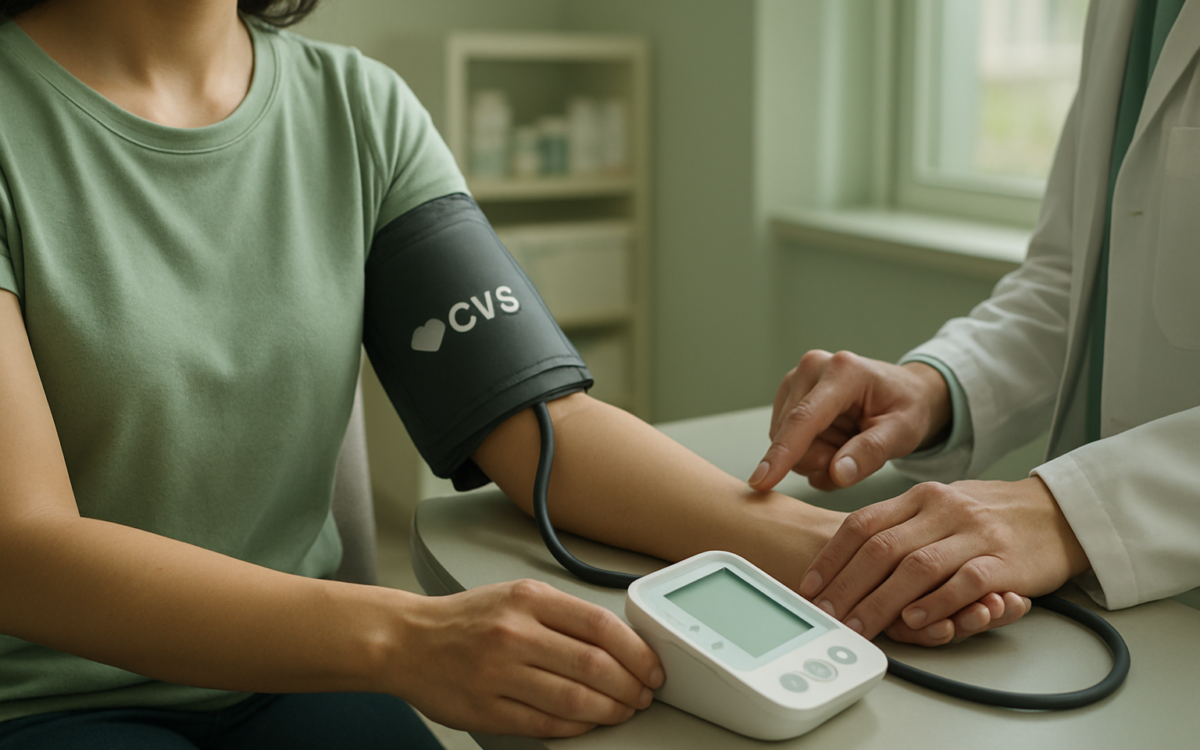
Blood pressure plays a crucial role in our overall health, yet many people don’t monitor it regularly. Knowing your numbers can help you maintain a healthy lifestyle and prevent serious complications. CVS pharmacies offer convenient blood pressure checks, making it easier than ever for individuals to stay informed about their cardiovascular health. In this article, we’ll explore what a CVS blood pressure check entails, why it’s essential, and how to interpret the results.
What is Blood Pressure?
Blood pressure refers to the force of blood against the walls of your arteries. It is measured using two numbers: systolic and diastolic pressure. Systolic pressure (the top number) indicates how much pressure your blood is exerting against your artery walls when the heart beats. Diastolic pressure (the bottom number) measures that pressure in between beats.
Normal blood pressure is usually around 120/80 mm Hg. However, readings can vary based on factors such as age, weight, and overall health. It is essential to monitor your blood pressure regularly since high blood pressure, or hypertension, can lead to severe health issues, including heart disease and stroke.
How a CVS Blood Pressure Check Works
When you decide to check your blood pressure at CVS, you can expect a straightforward and quick process. Here’s what typically happens:
- Check-in: Upon arrival, you can either check in at the pharmacy counter or use a kiosk if available.
- Prepare for the test: A pharmacy technician or nurse will guide you to the blood pressure machine.
- Measurement: You will sit calmly while the machine wraps around your arm and takes the reading.
- Results: After a few moments, your results will be displayed, including both the systolic and diastolic numbers.
- Advice: If necessary, a staff member may provide informational resources or recommend consulting with your doctor if your readings are concerning.
Why Regular Blood Pressure Checks Matter
Maintaining regular checks on your blood pressure can be a vital part of your healthcare routine. Here are a few reasons why it’s important:
- Early Detection: High blood pressure often has no symptoms. Routine checks can help catch hypertension early, allowing for timely interventions.
- Monitoring Progress: If you are already managing a condition, regular checks can help track how effective your treatment plan is.
- Health Awareness: Knowing your blood pressure can encourage you to make healthier lifestyle choices, such as adopting a balanced diet and engaging in regular physical activity.
Interpreting Blood Pressure Readings
Understanding your blood pressure readings is crucial to managing your health. Here’s a simple breakdown of what the numbers mean:
- Normal: Less than 120/80 mm Hg
- Elevated: 120-129 systolic and less than 80 diastolic
- Hypertension Stage 1: 130-139 systolic or 80-89 diastolic
- Hypertension Stage 2: 140 or higher systolic or 90 or higher diastolic
- Hypertensive Crisis: Higher than 180 systolic and/or higher than 120 diastolic (seek immediate medical attention)
Understanding these categories can help you and your healthcare provider decide on the best steps to maintain or improve your health. For further reading on blood pressure and overall cardiovascular health, you can visit the National Heart, Lung, and Blood Institute.
Tips for Accurate Blood Pressure Readings
To ensure you receive the most accurate blood pressure readings possible during your CVS visit, consider these tips:
- Be Relaxed: Try to sit quietly for a few minutes before your reading to avoid elevated readings due to anxiety.
- Avoid Caffeine: Refrain from caffeine or tobacco for at least 30 minutes before your check as these substances can raise blood pressure.
- Take Multiple Readings: Consider asking for more than one reading to ensure accuracy, especially if your first reading is high.
When to See a Doctor
If you notice consistent high readings or experience symptoms such as headaches, blurred vision, or chest pain, it’s important to consult a healthcare professional. Regular check-ups and following your doctor’s recommendations can help manage or prevent hypertension effectively.
Conclusion
A CVS blood pressure check offers an accessible way to monitor your cardiovascular health. Understanding your blood pressure numbers, combined with regular checks, can empower you to take charge of your well-being. Stay informed, and don’t hesitate to seek advice from your healthcare provider for regular screening and personalized guidance on maintaining a healthy blood pressure.
