
Type 1 diabetes is a chronic condition that affects millions of individuals worldwide. Unlike Type 2 diabetes, which is often linked to lifestyle factors, Type 1 diabetes is an autoimmune disorder. The body’s immune system mistakenly attacks insulin-producing cells in the pancreas, leaving people reliant on insulin injections for survival. Understanding Type 1 diabetes can empower individuals to manage their condition more effectively and lead healthy lives.
What Is Type 1 Diabetes?
Type 1 diabetes occurs when the pancreas produces little to no insulin. Insulin is a hormone essential for converting glucose (sugar) from food into energy. Without sufficient insulin, glucose builds up in the bloodstream, which can lead to various health complications. According to the CDC, approximately 5-10% of all diabetes cases in the U.S. are Type 1.
Symptoms of Type 1 Diabetes
Recognizing the symptoms of Type 1 diabetes is crucial for early diagnosis and treatment. Common symptoms include:
- Frequent urination
- Extreme thirst
- Unexplained weight loss
- Fatigue
- Blurred vision
- Increased hunger
If you or someone you know experiences these symptoms, it is important to consult a healthcare professional promptly.
Causes of Type 1 Diabetes
The exact cause of Type 1 diabetes is still a subject of research. However, it is believed to involve a combination of genetic and environmental factors. In most cases, the immune system mistakenly attacks insulin-producing cells. This can occur after an infection or exposure to specific viruses. Less commonly, it may result from genetic factors that predispose individuals to the disease.
Treatment Options for Type 1 Diabetes
Treatment for Type 1 diabetes involves managing blood sugar levels through various approaches:
- Insulin therapy: Most people with Type 1 diabetes require insulin injections or use an insulin pump to manage their blood sugar levels. There are various types of insulin, and the choice will depend on individual needs.
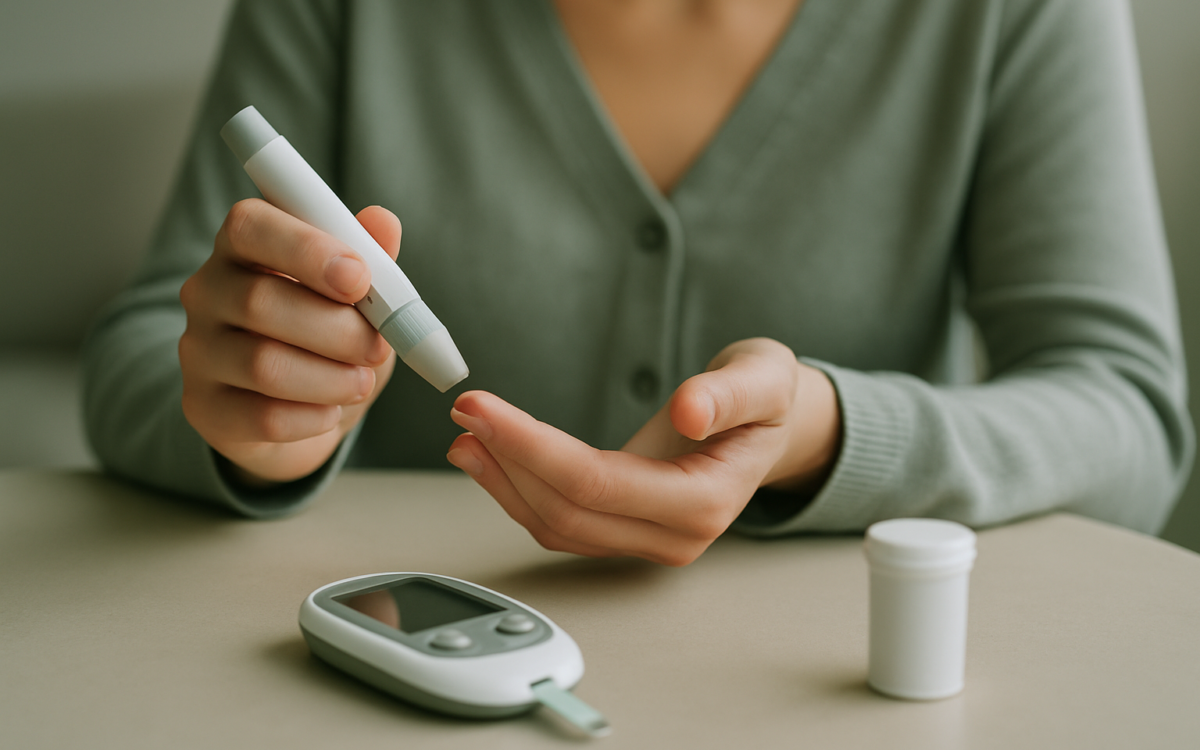
- Blood sugar monitoring: Regular monitoring using a glucose meter helps ensure that blood sugar levels remain within a target range.
- Diet: A balanced diet supports overall health. Consulting with a registered dietitian can help tailor a meal plan that aligns with insulin use.
- Exercise: Regular physical activity is important for maintaining a healthy weight and improving insulin sensitivity.
For those seeking to manage their condition while traveling or living abroad, international patient services can help facilitate access to healthcare resources and diabetes management plans.
Lifestyle Changes for Better Management
Making lifestyle changes is essential for managing Type 1 diabetes and maintaining overall health. Some useful tips include:
- Stay active: Engage in regular physical activity to help manage blood sugar levels.
- Educate yourself: Learning about diabetes management enables better decision-making regarding diet, exercise, and insulin use.
- Stay organized: Keeping track of medication, appointments, and blood sugar levels can reduce stress and improve management.
- Connect with a community: Joining support groups or online forums can provide emotional support and practical tips from others managing diabetes.
When to See a Doctor
It is important to have regular check-ups with your healthcare provider to monitor your diabetes management. Seek medical attention if you experience symptoms such as:
- Persistent high blood sugar levels
- Severe fatigue
- Signs of ketoacidosis, like nausea, vomiting, or confusion
Recognizing when to seek medical help can prevent serious complications related to the condition.
Managing Type 1 diabetes is a lifelong commitment that requires attention to detail and support. By understanding your condition and implementing effective strategies, you can lead a fulfilling and active life.
