
Diabetes is a condition that affects millions of people worldwide. Understanding how it works can help empower individuals to take control of their health. In this article, we’ll explore what diabetes is, how it affects the body, and what you can do to manage it effectively.
What is Diabetes?
Diabetes is a chronic condition that occurs when the body cannot properly regulate blood sugar (glucose) levels. Glucose is a primary source of energy for the body, derived mostly from the foods we eat. Normally, a hormone called insulin helps move glucose from the blood into the cells, where it can be used for energy. However, in people with diabetes, this process does not work as it should, leading to elevated levels of glucose in the blood.
Types of Diabetes
There are primarily three types of diabetes: Type 1, Type 2, and gestational diabetes. Each type has distinct causes and implications for health.
Type 1 Diabetes
Type 1 diabetes is often diagnosed in children and young adults, though it can occur at any age. In this autoimmune condition, the body’s immune system attacks insulin-producing cells in the pancreas. As a result, very little or no insulin is produced. Individuals with Type 1 diabetes require lifelong insulin therapy to manage their blood sugar levels. For more information on Type 1 diabetes, visit the NIH Health Topics.
Type 2 Diabetes
Type 2 diabetes is the most common form, accounting for about 90% of diabetes cases. This type generally develops in adults, particularly those who are overweight or inactive. Unlike Type 1, the pancreas produces some insulin, but the body’s cells become resistant to it, preventing effective glucose uptake. Type 2 diabetes can often be managed through lifestyle changes, such as healthy eating and regular exercise, and in some cases, medication is also required. You can learn more about Type 2 diabetes from the CDC.
Gestational Diabetes
Gestational diabetes occurs during pregnancy when the body cannot produce enough insulin to meet the increased needs of both the mother and the developing baby. This type often resolves after giving birth, but it can increase the mother’s risk of developing Type 2 diabetes later in life.
How Diabetes Works in the Body
To understand how diabetes affects the body, let’s take a closer look at how energy is usually processed. When you eat, carbohydrates from food break down into glucose, which enters the bloodstream. In a healthy individual, insulin becomes a key player in regulating this process. Here’s how it typically works:
- Carbohydrates are digested and converted into glucose.
- Insulin is released from the pancreas into the bloodstream.
- Insulin signals the cells to take in glucose for energy.
- Blood sugar levels decrease as glucose is absorbed by the cells.
In diabetes, this process breaks down. With Type 1 diabetes, little to no insulin is available, leading to high blood sugar levels. In Type 2 diabetes, insulin resistance makes cells less responsive to insulin, causing the pancreas to struggle to keep up with insulin production. Both scenarios can lead to serious health complications if not managed appropriately.
Symptoms and Complications of Diabetes
Recognizing the symptoms of diabetes is crucial for early detection and treatment. Common symptoms include:
- Increased thirst and frequent urination
- Extreme hunger
- Fatigue
- Blurred vision
- Slow healing of cuts and bruises
If diabetes remains untreated or poorly managed, it can lead to serious complications, such as heart disease, nerve damage, kidney problems, and vision issues. Recognizing symptoms early can prevent the progression of these complications.
Management and Prevention Strategies
Managing diabetes involves a few key components. Here’s how individuals with diabetes can take control:
- Healthy Eating: It’s essential to focus on a balanced diet rich in whole foods, including fruits, vegetables, lean proteins, and whole grains. Monitoring carbohydrate intake can help manage blood sugar levels.
- Regular Physical Activity: Exercise can enhance insulin sensitivity and help maintain a healthy weight. Aim for at least 150 minutes of moderate aerobic activity each week.
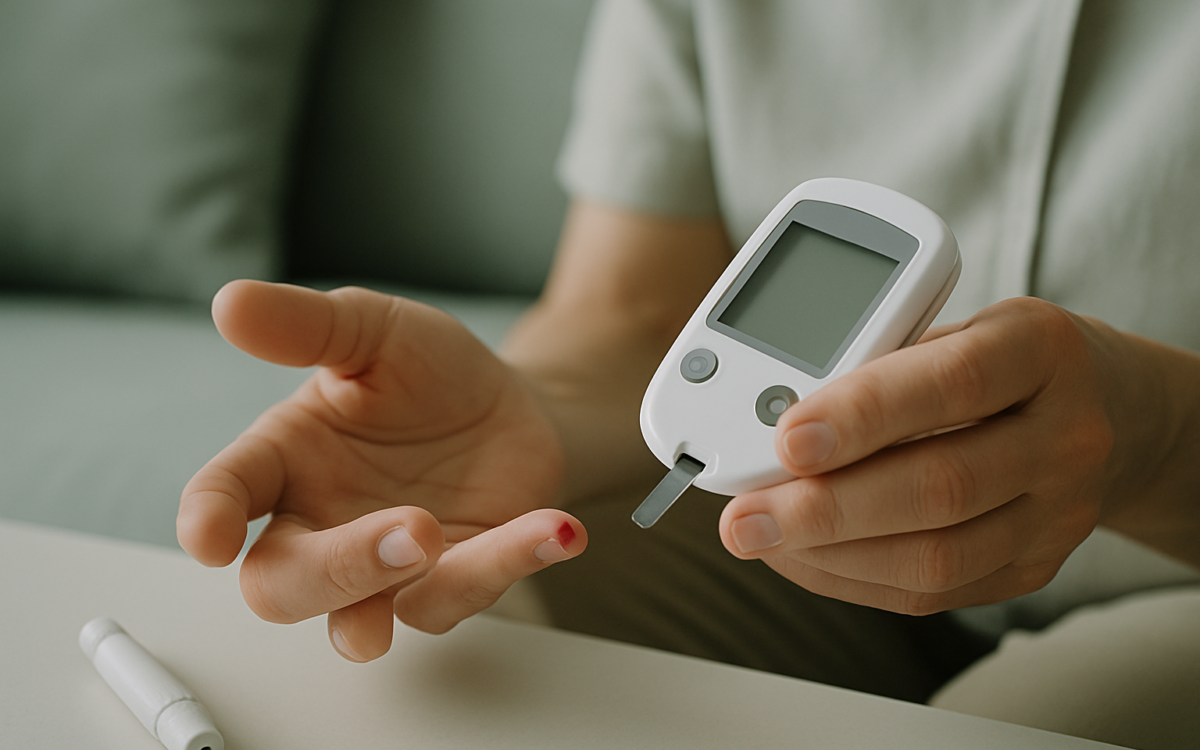
- Monitoring Blood Sugar: Regularly checking blood glucose levels can help keep them within the target range, allowing for adjustments in diet or medication as needed.
- Medications: Some individuals may require medications, including insulin therapy or oral medications, to help control blood sugar levels.
For those at risk of developing Type 2 diabetes, lifestyle changes such as maintaining a healthy weight, regular exercise, and a balanced diet can significantly reduce the risk.
When to See a Doctor
If you notice any symptoms of diabetes or have risk factors like a family history of the disease, it’s essential to consult with a healthcare provider. Early detection and management can prevent serious complications. Regular check-ups and screenings can help monitor your health.
Understanding diabetes is the first step toward managing it effectively. By taking proactive measures, individuals can lead fulfilling lives, even with this chronic condition.
