
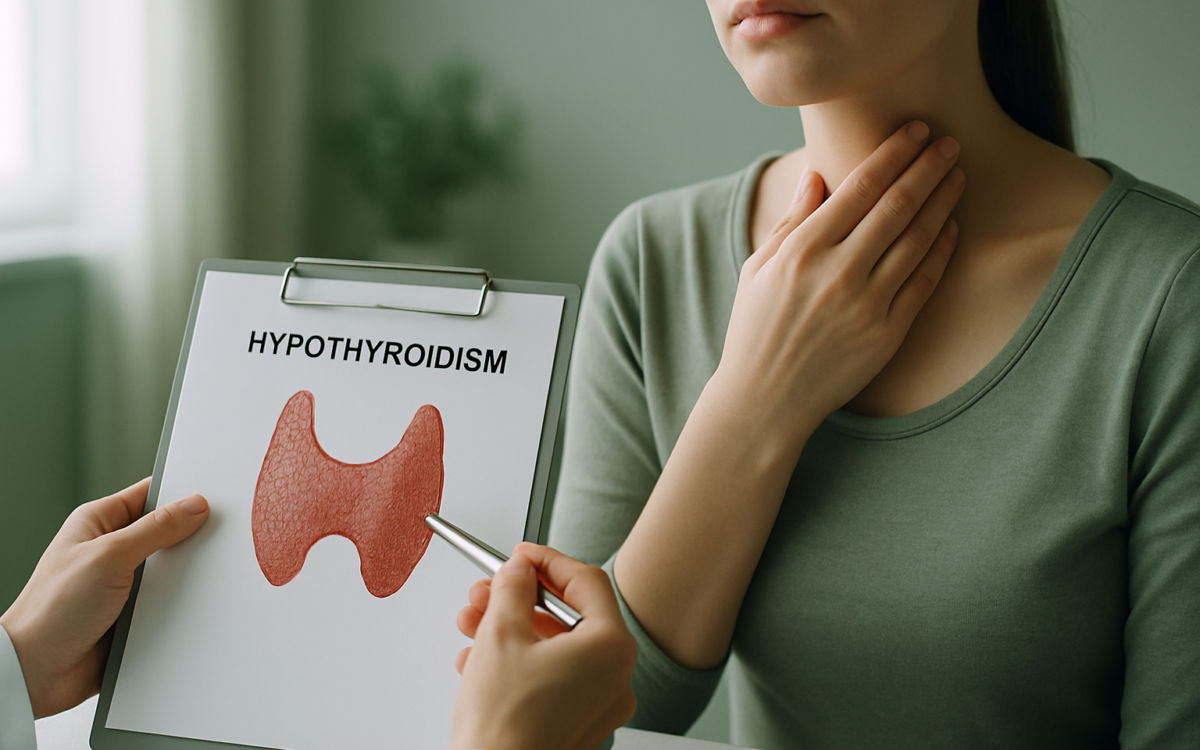
Hypothyroidism is a condition where the thyroid gland doesn’t produce enough thyroid hormones, which can lead to a variety of health issues. Your thyroid, a small butterfly-shaped gland located at the base of your neck, plays a crucial role in regulating metabolism, energy levels, and overall health. Understanding the causes of hypothyroidism can help in recognizing the symptoms early on and finding appropriate treatment.
Autoimmune Disorders
One of the most common causes of hypothyroidism is an autoimmune disorder known as Hashimoto’s thyroiditis. In this condition, the immune system mistakenly attacks the thyroid gland, leading to inflammation and impaired hormone production. According to the National Institutes of Health (NIH), this condition is more prevalent in women than in men and tends to run in families.
Iodine Deficiency
Iodine is an essential nutrient necessary for the production of thyroid hormones. When there’s not enough iodine in the diet, it can lead to hypothyroidism. While iodine deficiency is rare in countries where table salt is iodized, it still affects many regions around the world. The World Health Organization (WHO) continues to address this issue through public health initiatives focused on increasing iodine intake.
Medications and Treatments
Some medications can lead to hypothyroidism as a side effect. For example, lithium, commonly prescribed for bipolar disorder, and certain cancer treatments can affect thyroid function. If you are taking medications that may impact your thyroid, it’s important to discuss this with your healthcare provider. Always consult them before making any changes to your treatment plan.
Radiation Therapy
Radiation therapy used to treat cancers in the head and neck may damage the thyroid gland. If you have undergone such treatments, you may be at increased risk for developing hypothyroidism later in life. Regular monitoring of thyroid function is often recommended for patients who have received radiation therapy.
Congenital Hypothyroidism
Congenital hypothyroidism is a condition present at birth where a baby’s thyroid gland doesn’t develop properly or is absent. If not detected and treated early, this condition can lead to serious developmental issues. Newborns are typically screened for this condition as part of standard health checks. Early intervention can significantly improve outcomes.
Other Factors and Lifestyle
Several other factors can contribute to the development of hypothyroidism, including aging, a family history of thyroid disease, and a history of thyroid surgery. Lifestyle factors such as exposure to certain environmental toxins may also influence thyroid health. It’s important to stay aware of your personal and family medical histories and any potential risk factors.
Importance of Thyroid Health
Maintaining thyroid health is vital for overall well-being. If you have symptoms of hypothyroidism, such as fatigue, weight gain, or depression, talk to your doctor about getting your thyroid levels tested. Early diagnosis and appropriate treatment can help manage the condition effectively and help you maintain a healthy life.
When to See a Doctor
If you are experiencing symptoms commonly associated with hypothyroidism, such as extreme fatigue, weight changes, cold intolerance, or changes in mood and memory, it’s important to consult with a healthcare provider. They can conduct appropriate tests to determine your thyroid function and develop a suitable management plan.
In summary, understanding the various causes of hypothyroidism can empower you to take charge of your health. From autoimmune conditions to lifestyle choices, staying informed is key to a healthier future.
