
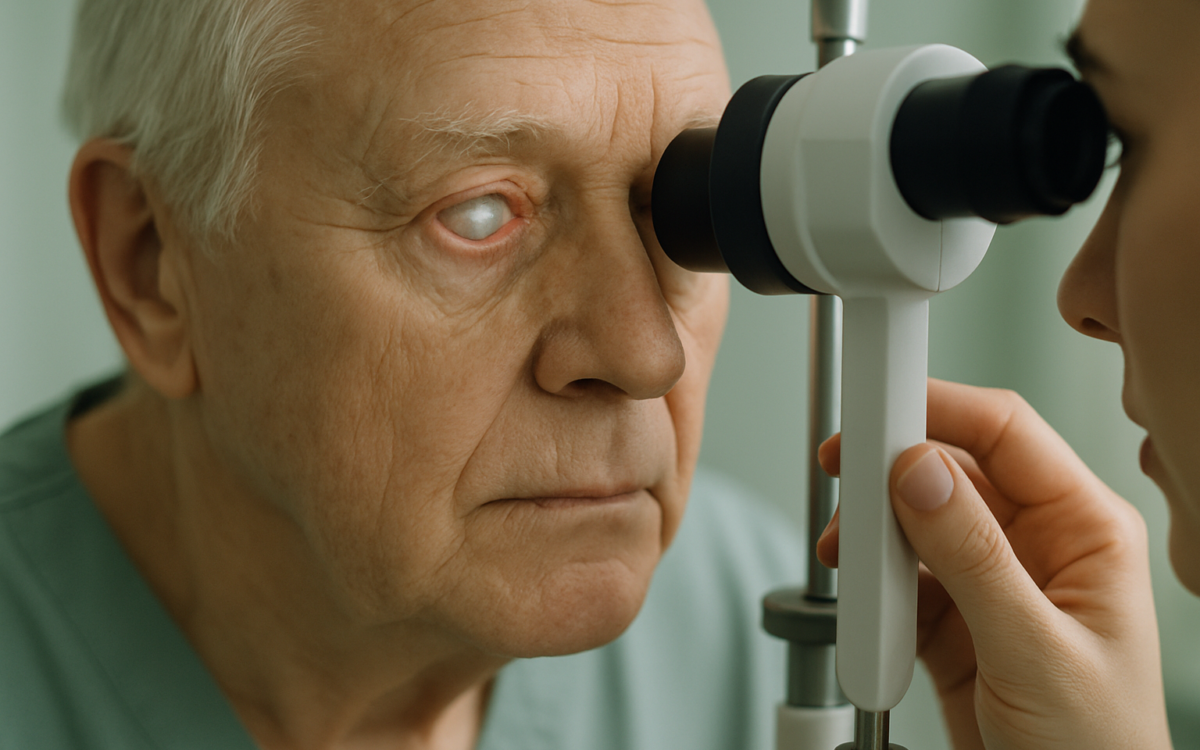
Cataracts can significantly impact your vision, making the world appear blurry or hazy. They are one of the most common causes of vision problems, particularly in older adults. Understanding what cataracts are, their symptoms, the treatment options available, and when to seek medical advice can help you manage this condition effectively. In this article, we’ll explore the ins and outs of cataract eye vision.
What Are Cataracts?
Cataracts occur when the lens of the eye becomes cloudy. The lens is responsible for focusing light onto the retina, allowing us to see clearly. As we age, proteins in the lens can start to clump together, leading to a cloudy appearance.
Cataracts can develop in one or both eyes, although they do not spread from one eye to the other. While cataracts are most common in older adults, they can also occur due to other factors such as:
- Long-term exposure to UV light
- Diabetes
- Certain medications (like corticosteroids)
- Eye injuries
- Genetic predisposition
Signs and Symptoms of Cataracts
Identifying the signs of cataracts early can be key to maintaining your vision. Some common symptoms include:
- Blurry or cloudy vision
- Difficulty seeing at night
- Increased sensitivity to light and glare
- Seeing halos around lights
- Frequent changes in glasses or contact lens prescriptions
- Faded colors
As cataracts progress, these symptoms can worsen, making daily activities more challenging. If you notice changes in your vision, it’s important to consult with an eye care professional.
Diagnosing Cataracts
To diagnose cataracts, an eye doctor will perform a comprehensive eye examination. This typically includes:
- A visual acuity test to measure how well you see at various distances.
- A slit-lamp examination to examine the structures of your eye.
- A dilated eye exam, where the doctor uses drops to widen your pupils for a better view of the lens.
Through these examinations, the doctor can determine if cataracts are present and how they may be affecting your vision. Regular eye exams are essential, especially as you get older.
Treatment Options for Cataracts
Initially, many people may not require treatment for cataracts. Lifestyle changes, such as using brighter lights, wearing anti-reflective glasses, and avoiding glare can help manage early symptoms. However, as cataracts grow and begin to blur your vision significantly, surgery may become necessary.
Cataract surgery is one of the most common and successful surgical procedures performed today. During this procedure, the cloudy lens is removed and replaced with an artificial lens known as an intraocular lens (IOL). This surgery typically has a high success rate, and most people experience significant improvements in their vision afterward.
The process usually involves the following steps:
- Preparation for surgery, including consultations and planning.
- The surgery itself, which is often performed on an outpatient basis.
- Post-surgery recovery, where you may be prescribed eye drops and asked to follow certain care guidelines.
As with any surgery, it’s important to discuss any concerns and understand the potential risks and benefits with your doctor.
Managing Life with Cataracts
For those living with cataracts, there are several strategies to manage vision changes:
- Use brighter indoor lighting to reduce glare.
- Wear sunglasses to protect your eyes from UV rays.
- Reduce night driving if you experience difficulty seeing in low light.
- Incorporate a healthy diet rich in vitamins C and E, lutein, and zeaxanthin to support eye health.
Support from family and friends can also be invaluable. Don’t hesitate to reach out for assistance when needed.
When to See a Doctor
If you notice any changes in your vision, such as blurriness, increased glare, or difficulty reading, it’s time to see an eye care professional. Early detection and intervention can significantly improve outcomes, especially with conditions like cataracts.
Conclusion
Cataracts are a common condition that can affect your vision as you age. Understanding the signs, symptoms, and treatment options available can empower you to make informed decisions about your eye health. Remember, regular eye exams and open conversations with your doctor are key to catching cataracts early and minimizing their impact on your daily life. For more detailed information, you might want to refer to resources from reputable organizations like the National Institutes of Health or the Mayo Clinic.
