
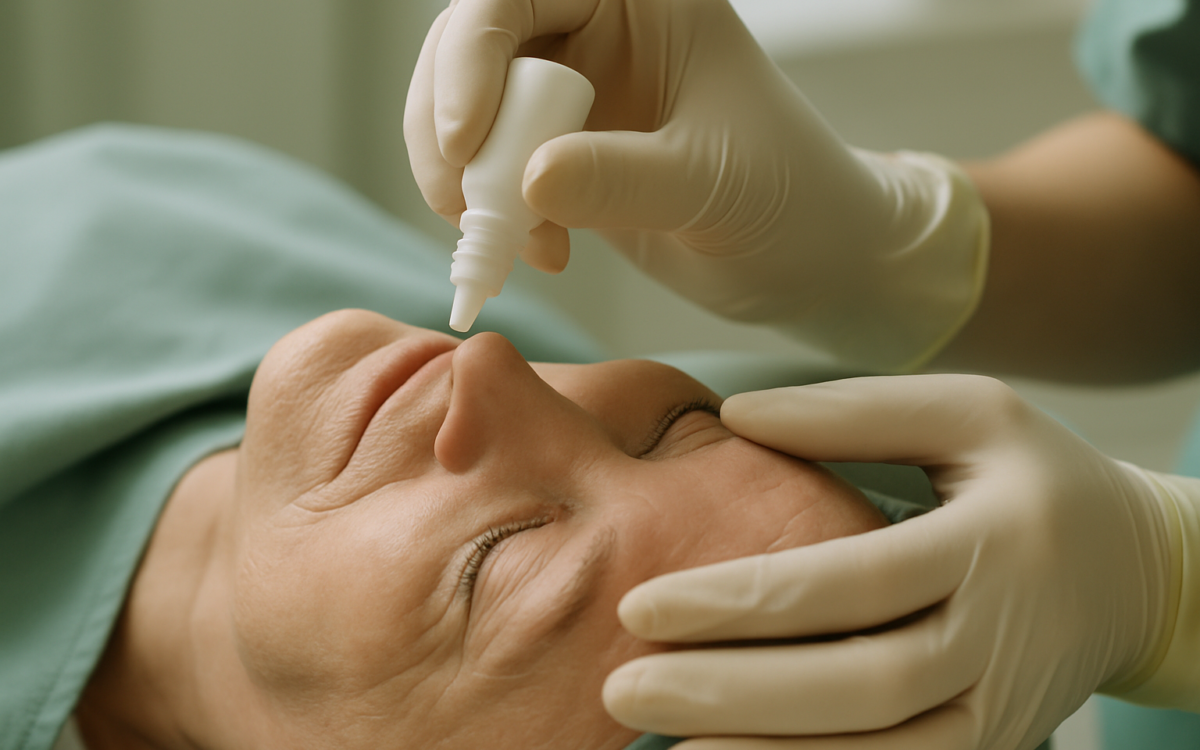
Cataract surgery is a common and generally safe procedure that can restore vision by removing the cloudy lens of the eye. After surgery, proper post-operative care is essential for a successful recovery. One critical aspect of this care involves using eye drops, which help promote healing and reduce the risk of complications. Understanding how these eye drops work and their importance can ease your journey to clearer vision.
Types of Eye Drops Used After Cataract Surgery
After cataract surgery, your doctor will likely prescribe several types of eye drops. Here’s a look at the most common ones:
- Antibiotic Eye Drops: These drops help prevent infections that could arise from the surgery. They are usually prescribed for the first week or two after the operation.
- Anti-inflammatory Eye Drops: These help to reduce swelling and discomfort following the surgery. Corticosteroid drops are commonly used to manage inflammation.
- Artificial Tears: As the eye heals, dryness may occur. Artificial tears can provide moisture and relief, ensuring comfort during the recovery period.
Why Eye Drops Are Necessary
Eye drops are essential for several reasons. First, they help keep the surgical area clean, reducing the risk of infection. This is important as the eye is particularly vulnerable to pathogens immediately after surgery. Second, they aid in managing inflammation, which can be a natural response to the surgical procedure. Third, eye drops help keep the surface of the eye lubricated, which is vital for comfort and overall recovery.
How to Use Eye Drops Properly
Using eye drops following cataract surgery requires some care to ensure they are effective:
- Wash your hands thoroughly before handling any eye drops.
- Shake the bottle gently if instructed by your doctor.
- Tilting your head back slightly, pull down your lower eyelid to create a small pouch.
- Place the prescribed number of drops into the pouch without touching the dropper tip to your eye or eyelid.
- Close your eye gently for a few moments to allow the drops to spread across the surface of the eye.
- If you are using multiple drops, wait a few minutes between each type to prevent washing them away.
Post-Operative Care Tips
Along with using eye drops, there are several other important care tips to follow after cataract surgery:
- Avoid rubbing your eyes, as this can irritate the surgical site.
- Wear sunglasses when outdoors to protect your eyes from bright light.
- Stay away from swimming pools, hot tubs, and dusty environments until your doctor clears you.
- Follow any specific dietary or activity restrictions provided by your surgeon.
If you are considering cataract surgery abroad, it’s important to connect with clinics that offer international patient services. They can guide you through the process, including pre-surgery preparations and post-operative care while away from home.
Potential Side Effects of Eye Drops
While eye drops are generally safe, some people may experience side effects. Common side effects include:
- Temporary stinging or burning upon application
- Redness in the eyes
- Itchy or watery eyes
If you experience severe side effects, such as excessive redness, persistent pain, or vision changes, it is crucial to contact your eye doctor immediately.
When to See a Doctor
You should see your doctor if you notice:
- Significant vision loss or blurriness
- Severe pain in the eye that doesn’t improve
- Increased redness or swelling
- Persistent sensation of something in your eye
Your doctor can perform checks to determine if any complications have developed and guide your treatment.
Conclusion
Using eye drops as directed is a crucial part of the recovery process after cataract surgery. They provide anti-inflammatory effects, prevent infections, and help keep your eyes comfortable as they heal. Always follow your doctor’s instructions regarding their use and reach out to your healthcare provider with any concerns. With proper care, many patients enjoy a smooth recovery and improved vision following their cataract surgery.
