
Inflammation is a natural response of your body to injury or infection, designed to protect and heal. However, chronic inflammation can lead to a range of health issues, including heart disease, diabetes, and arthritis. Fortunately, a well-structured anti-inflammatory meal plan can help reduce inflammation and promote overall wellness. In this article, we will explore the key components of such a diet and give you practical tips for creating your meal plan.
Understanding Inflammation
To appreciate the importance of an anti-inflammatory meal plan, it’s essential to understand what inflammation is and how it affects the body. Acute inflammation arises when your body detects a threat, such as an infection or injury. This type of inflammation is short-lived and usually resolves once the problem is addressed. On the other hand, chronic inflammation can linger for months or even years, potentially leading to significant health complications.
Research indicates that diet plays a crucial role in managing inflammation levels in the body. Foods that contain antioxidants, healthy fats, and specific nutrients can help combat inflammation and promote healing.
Core Components of an Anti-Inflammatory Meal Plan
To design a meal plan that fights inflammation, focus on incorporating the following components:
- Fruits and Vegetables: Aim for a variety of colorful fruits and vegetables. Berries, leafy greens, and cruciferous vegetables like broccoli are particularly beneficial due to their high antioxidant content.
- Healthy Fats: Incorporate sources of omega-3 fatty acids, such as fatty fish (salmon, mackerel), walnuts, and flaxseeds. Olive oil is also a great source of healthy monounsaturated fats.
- Whole Grains: Replace refined grains with whole grains like quinoa, brown rice, and whole-wheat bread. These contain more fiber and nutrients, contributing to better health.
- Spices and Herbs: Turmeric, ginger, garlic, and cinnamon have anti-inflammatory properties. Adding these spices to your dishes can enhance flavor and health benefits.
- Lean Proteins: Choose lean protein sources like chicken, beans, lentils, and tofu. They can provide essential nutrients without adding excess saturated fat.
- Nuts and Seeds: Almonds and chia seeds, for example, are packed with healthy fats and can be a great snack option.
Sample Anti-Inflammatory Meal Plan
Now that you know the components, let’s put them together in a day’s worth of meals. This easy-to-follow meal plan can help you start your anti-inflammatory journey:
Breakfast
Overnight oats made with rolled oats, almond milk, chia seeds, and topped with fresh berries and a sprinkle of cinnamon.
Lunch
Quinoa salad with chickpeas, cherry tomatoes, cucumbers, red onion, and a lemon-olive oil dressing, served with a side of sautéed kale.
Dinner
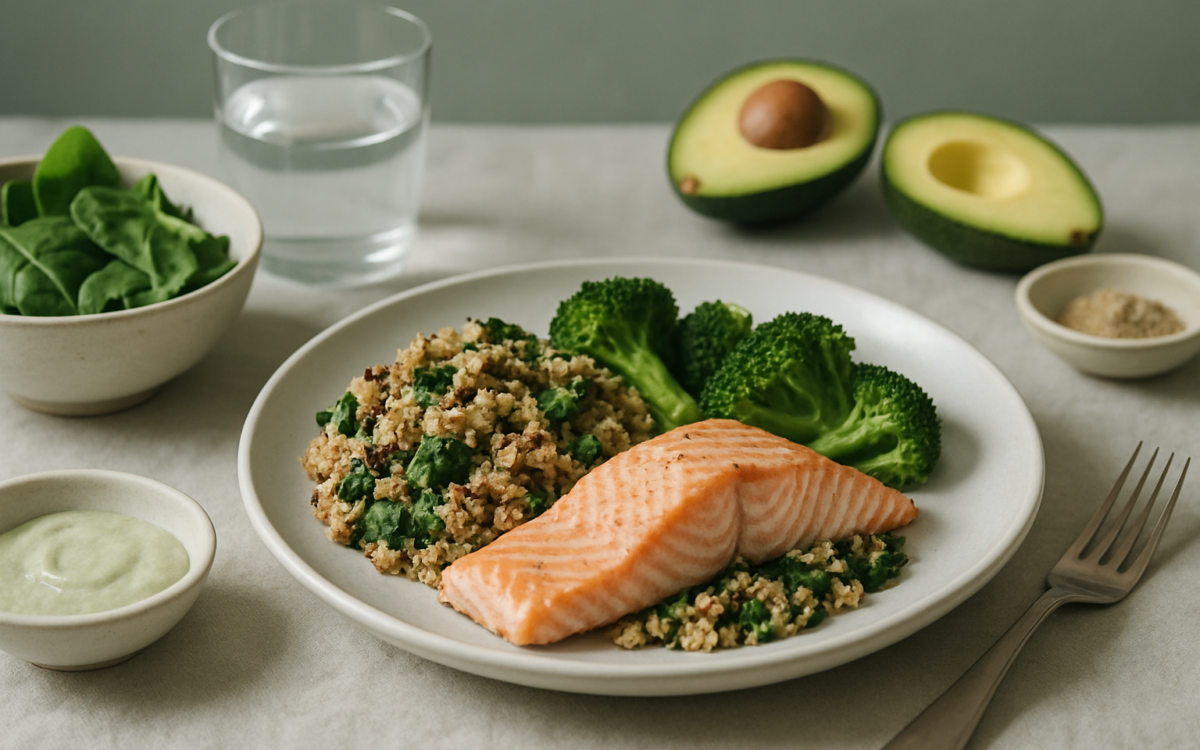
Grilled salmon with steamed broccoli and a sweet potato, drizzled with olive oil and garlic. Season with fresh herbs like parsley or dill.
Snacks
Fresh fruit, a handful of mixed nuts, or vegetable sticks with hummus are great options throughout the day.
International Perspectives on Anti-Inflammatory Diets
Adopting an anti-inflammatory meal plan can be approached in various ways depending on cultural preferences and available ingredients. For instance, the Mediterranean diet is renowned for its anti-inflammatory properties, with a focus on vegetables, whole grains, healthy fats, and lean proteins. Similarly, Asian diets often emphasize rice, fish, vegetables, and spices that are rich in antioxidants. If you’re considering international treatment options or want a specialized approach to managing inflammation, you might explore treatment in Turkey where traditional and modern therapies combine for holistic health solutions.
Tips for Sticking to Your Meal Plan
Creating a meal plan is one step, but sticking to it is another challenge. Here are some practical tips:
- Meal Prep: Prepare meals in advance to save time during busy weeks. Cooking in batches makes it easier to stick to your anti-inflammatory diet.
- Stay Hydrated: Don’t forget to drink plenty of water. Herbal teas are also beneficial for their antioxidant properties.
- Listen to Your Body: Keep track of how different foods make you feel. Adjust your meal plan based on what works for you.
- Stay Informed: Read up on the latest research about inflammation and diet. Awareness can help you make more informed food choices.
When to See a Doctor
If you experience persistent symptoms like chronic pain, fatigue, or unexplained weight changes, it may be time to consult a healthcare professional. They can help determine if inflammation is a concern and guide you on the best dietary choices for your health.
In summary, an anti-inflammatory meal plan can not only support your health but also enhance your overall well-being. By focusing on whole, nutrient-dense foods and incorporating a variety of flavors and textures, you can make a positive impact on inflammation in your body. Remember to consult with a healthcare professional for personalized advice tailored to your specific needs.
