
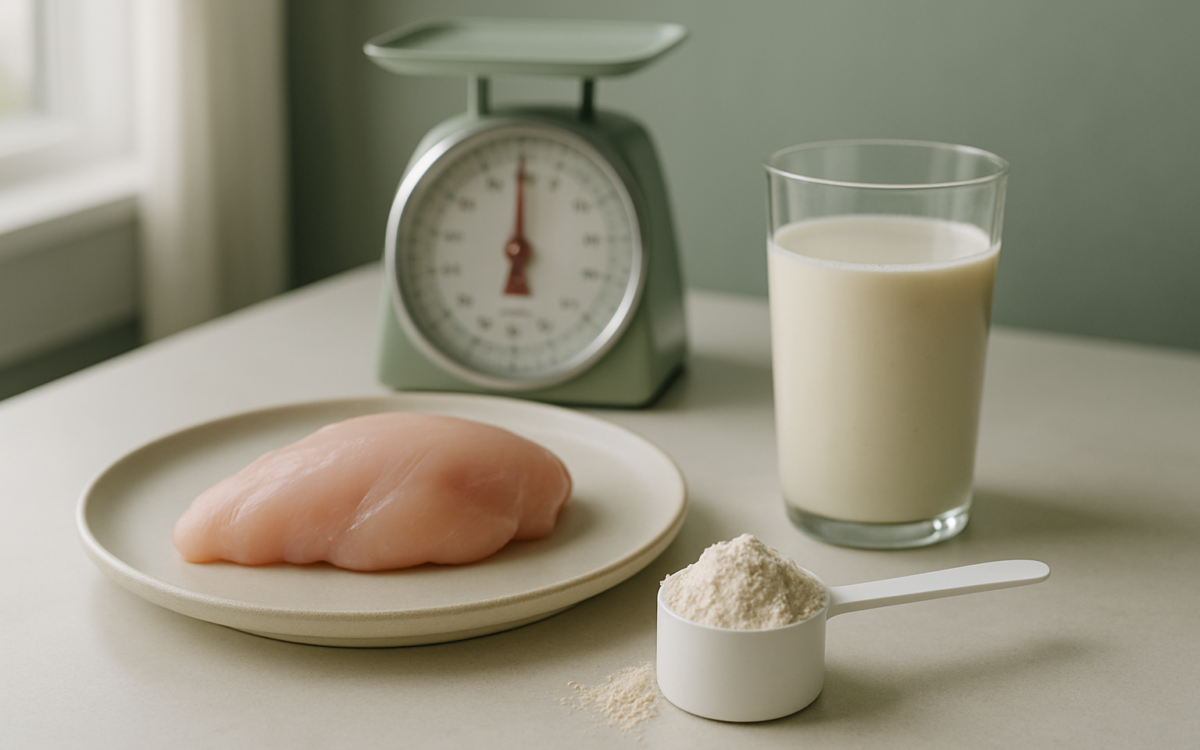
When it comes to measuring weight, the world uses different systems that can sometimes create confusion. In the United States, we commonly use the imperial system, where weight is measured in pounds. However, in many other parts of the world, the metric system prevails, with grams as the basic unit of weight. Understanding how many grams are in a pound can help you navigate recipes, fitness goals, and nutritional guidelines more effectively.
What is a pound?
A pound (symbol: lb) is a unit of weight commonly used in the imperial system. It is defined as exactly 0.45359237 kilograms. The pound is often used to measure everything from groceries to body weight. This unit is particularly prevalent in the United States, making it essential to know its conversion to metric units.
How many grams are in a pound?
To answer the main question, there are 453.592 grams in a pound. For most practical purposes, you can round this to 454 grams. This conversion is vital for those who engage with both the imperial and metric systems, such as in cooking, nutrition, and science.
Why is knowing the conversion important?
Understanding the grams per pound conversion can be important for several reasons:
- Cooking and Baking: Many recipes from around the world use the metric system. If you’re following a recipe that lists ingredients in grams but only have a scale to measure in pounds, knowing this conversion will allow you to achieve accurate results.
- Nutritional Guidelines: Nutrition labels in the U.S. often present information in grams. Knowing how many grams are in a pound can help you better understand serving sizes and contribute to your dietary goals.
- Fitness and Weight Management: If you’re tracking your weight for fitness purposes, you may come across metrics that use grams. Understanding how many grams are in a pound can help you make better-informed decisions regarding your health.
- Scientific Applications: In scientific discussions, understanding weight measurements becomes crucial, especially if you work in a field that utilizes the metric system. The ability to convert between pounds and grams can help clarify discussions.
Practical tips for converting pounds to grams
Here are some simple tips and tricks to help you make the conversion between pounds and grams:
- Use a Calculator: Many online calculators can help convert pounds to grams. A quick search will provide various options where you simply input the weight in pounds and receive the equivalent in grams.
- Memorize the Conversion Factor: If you frequently need to convert pounds to grams, memorizing that 1 pound is approximately 454 grams can save you time and effort.
- Rounding Techniques: If you need a rough estimate, you can round down. For instance, if you have 1.5 pounds, it’s close to 680 grams (1.5 x 454 = 681 grams), which can be usable in many situations.
- Check with Standard References: Reliable sources such as the National Institutes of Health or the World Health Organization can provide accurate weight conversion data if you are referencing studies or publication material.
Where to encounter grams and pounds in daily life
You’ll find pounds and grams across various contexts. Here’s a breakdown:
- Grocery Shopping: Food products in the U.S. are frequently marketed using pounds for weight. Conversely, international packages of similar food may use grams or kilograms.
- Health and Fitness: Many people track their body weight in pounds, while nutrition and dietary recommendations often use grams. Knowing how to convert between the two can be crucial for setting and reaching health goals.
- Scientific Research: In scientific labs, it’s common to see experiments and studies using grams. This standardization is crucial for replicating experiments and understanding results.
Additional resources for conversions and measurements
Beyond the simple conversion between pounds and grams, there are several resources that can help you deepen your understanding of measurements:
- Measurement Conversion Websites: Websites like the CDC’s Nutrition Page provide details on nutritional guidelines and information about weights and measures.
- Mobile Apps: There are many apps available for both iOS and Android that can assist with conversions on the go. These apps can prove handy, especially in cooking or tracking fitness metrics.
- Recipe Books: Consider purchasing or borrowing cookbooks that provide measurements in both pounds and grams. This can be beneficial if you frequently switch between different measurement systems.
When to see a doctor
If you have concerns about your weight, dietary habits, or nutritional intake, consulting a healthcare provider is important. They can provide tailored advice and support that considers your health history and individual needs.
Understanding how many grams are in a pound is not just a simple fact; it’s a key to navigating many aspects of everyday life, especially when it comes to cooking, health, and nutrition. By knowing this conversion and how to apply it, you can feel more informed and confident in your choices.
