
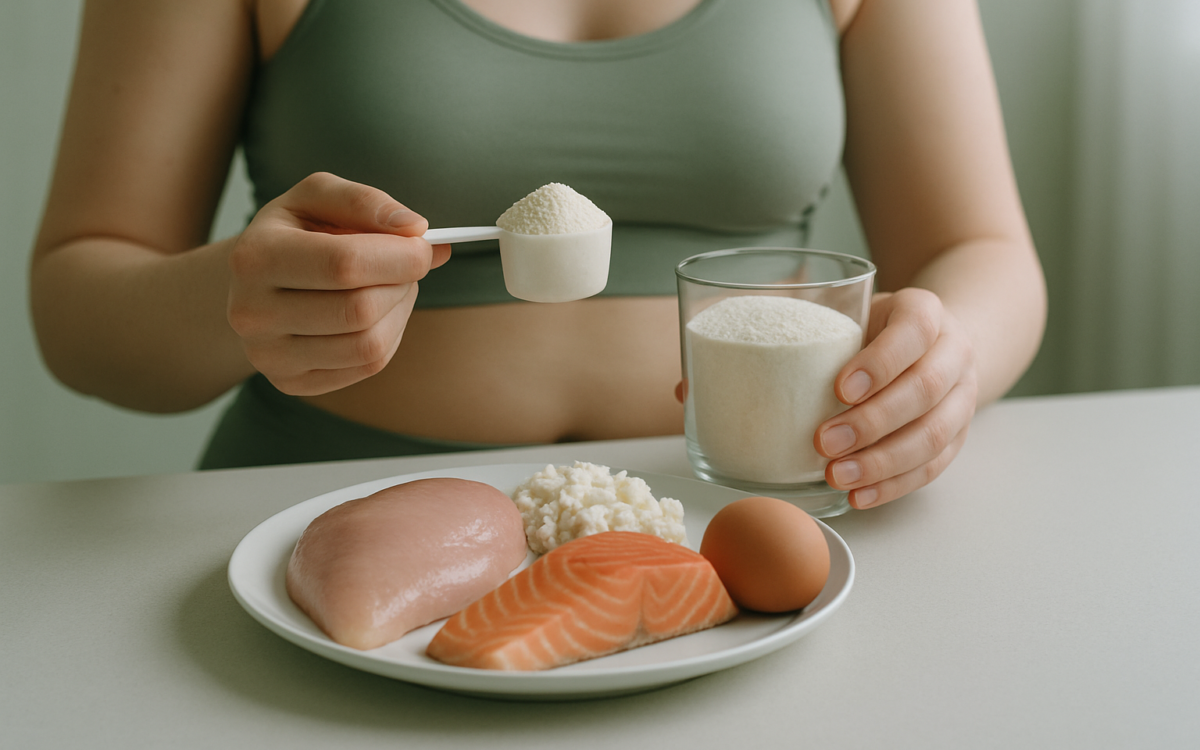
When it comes to weight loss, many people focus on reducing calories and increasing exercise. However, one essential aspect often overlooked is protein intake. Including enough protein in your diet can not only help you lose weight but also ensure that you maintain a healthy and energetic lifestyle. Let’s dive into how protein works in the body and how it can support your weight-loss journey.
What is Protein and Why is it Important?
Protein is one of the three macronutrients that our bodies need, alongside carbohydrates and fats. It is made up of amino acids, which are the building blocks necessary for many bodily functions. These include:
- Repairing and building tissues
- Making enzymes and hormones
- Supporting immune function
- Providing a source of energy
The body doesn’t store protein the way it stores fats and carbohydrates. Instead, you need to get a constant supply through your diet. Foods rich in protein include meat, fish, dairy products, eggs, legumes, and nuts. Including these foods in your diet can help you meet your protein needs, especially if you’re trying to lose weight.
How Does Protein Support Weight Loss?
Research has shown that increasing your protein intake can help support weight loss in several ways:
- Boosts Satiety: Protein takes longer to digest than carbohydrates, which can help you feel full longer. Many weight-loss studies suggest that higher protein diets lead to reduced hunger and increased feelings of fullness, helping you eat less overall.
- Increases Metabolism: The thermic effect of food (TEF) refers to the calories your body burns while digesting, absorbing, and processing nutrients. Protein has a higher TEF than fats or carbohydrates, meaning your body burns more calories digesting protein-rich foods.
- Preserves Muscle Mass: When losing weight, it’s important to maintain muscle mass, as it helps keep your metabolism active. Consuming adequate protein can help preserve muscle while you lose fat, preventing a drop in metabolic rate and making it easier to maintain your weight loss long-term.
These benefits make protein an essential component of any effective weight-loss strategy.
How Much Protein Do You Need?
The amount of protein needed can vary based on factors like age, sex, activity level, and specific health goals. As a general guideline, adults should aim for 46 grams per day for women and 56 grams for men. However, for those aiming to lose weight, higher protein intake—between 1.2 to 2.0 grams of protein per kilogram of body weight—may be more beneficial. This translates to about 15-25% of your total daily calorie intake from protein sources.
It’s important to seek guidance from a healthcare provider or dietitian to determine the best protein intake for your individual needs and goals.
Choosing Quality Protein Sources
Not all protein sources are created equal. When selecting proteins, focus on quality, which means choosing options that are also rich in other essential nutrients and lower in saturated fats. Here are some excellent protein sources to consider:
- Lean Meats: Skinless chicken, turkey, and lean cuts of beef or pork
- Fish: Salmon, mackerel, tuna, and other fatty fish rich in omega-3 fatty acids
- Legumes: Beans, lentils, and chickpeas are great plant-based proteins
- Dairy: Greek yogurt, cottage cheese, and other low-fat dairy options
- Nuts and Seeds: Almonds, chia seeds, and flaxseeds provide both protein and healthy fats
Minimizing processed meats and high-fat dairy products is advisable. Instead, aim to get your protein from whole foods that provide other nutrients beneficial for your health.
Timing Your Protein Intake
When you consume protein can be just as important as how much you consume. Research suggests spreading your protein intake throughout the day can help maximize its benefits. Aim for each meal to include a source of protein, which can help maintain stable energy levels and support muscle repair. For individuals engaged in frequent exercise, consuming protein shortly after workouts can also aid recovery.
For those who struggle with getting enough protein, consider incorporating protein-rich snacks such as a handful of nuts, a slice of cheese, or a protein shake between meals.
Additional Tips for Successful Weight Loss
While protein is a crucial aspect of weight loss, it’s important to remember that it works best when combined with other healthy habits:
- Stay Hydrated: Drinking plenty of water helps your body function optimally and can even aid in managing hunger.
- Get Plenty of Sleep: Lack of sleep can disrupt hormones that regulate hunger and appetite, making it harder to lose weight.
- Incorporate Regular Exercise: A mix of cardio and resistance training can enhance weight-loss efforts and improve overall health.
Weight loss is a journey that requires a multi-faceted approach, and protein intake is a significant piece of that puzzle.
When to See a Doctor
If you have concerns about your weight, protein intake, or overall diet, it’s always best to consult a healthcare professional. They can provide personalized advice based on your health history and specific needs.
In conclusion, protein plays a critical role in supporting weight loss while preserving muscle mass and boosting metabolism. By incorporating quality protein sources into a balanced diet and making healthy lifestyle choices, you can optimize your weight loss efforts and improve your overall well-being.
