
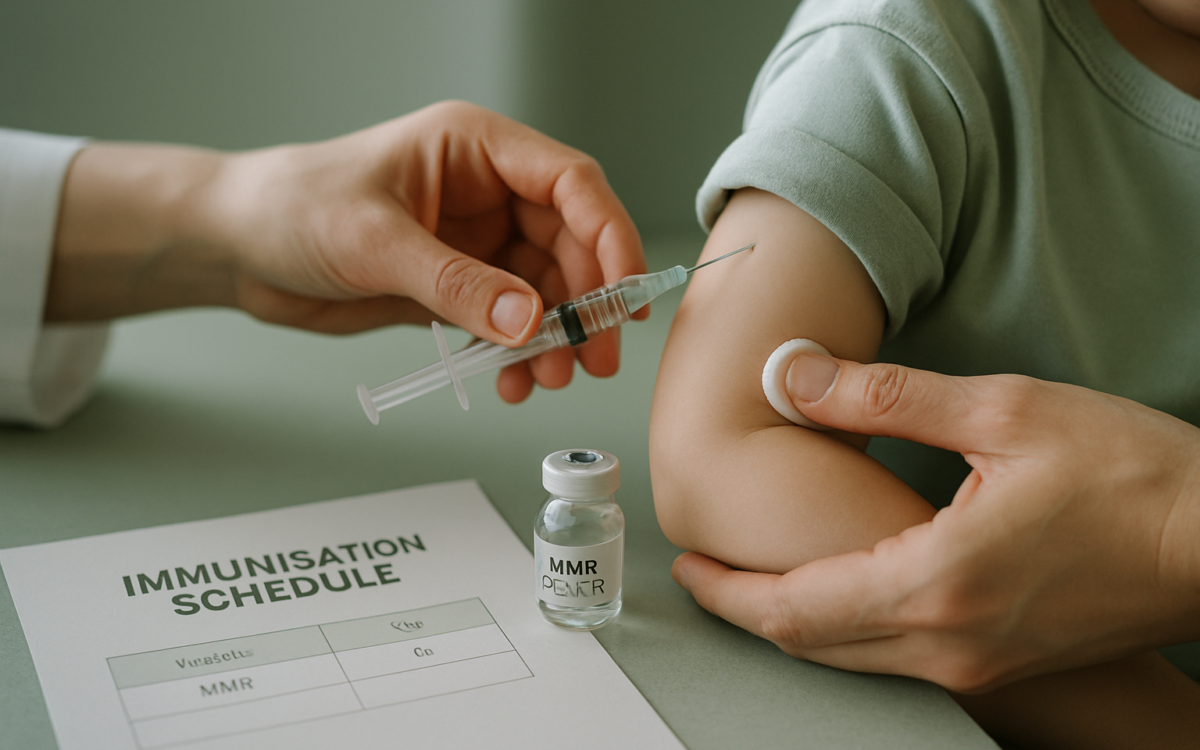
As a parent, ensuring your child’s health is a top priority, and one of the key ways to do this is through vaccination. The MMR vaccine—a combination vaccine that protects against measles, mumps, and rubella—is a vital part of your child’s immunization schedule. Understanding this vaccine and its timing can help you make informed decisions about your child’s health.
What is the MMR Vaccine?
The MMR vaccine is designed to protect children from three serious viral infections: measles, mumps, and rubella. Measles can lead to severe complications, including pneumonia and encephalitis. Mumps can cause swollen glands and, in rare cases, deafness or other serious complications. Rubella, while often mild, can cause serious birth defects if a woman contracts it during pregnancy.
The MMR vaccine is a live attenuated vaccine, meaning it contains weakened forms of the viruses. This allows the immune system to develop a response without causing the diseases themselves. The vaccine is safe and effective, helping to prevent outbreaks in communities and protecting those who cannot be vaccinated, such as infants and individuals with certain medical conditions.
The Recommended Immunization Schedule
The Centers for Disease Control and Prevention (CDC) recommends that the MMR vaccination be given in two doses:
- First dose: Between 12 and 15 months of age
- Second dose: Between 4 and 6 years of age
Administering the first dose at a young age provides early protection against these diseases, while the second dose helps boost immunity and increases the vaccine’s effectiveness.
Why is the MMR Vaccine Important?
The importance of the MMR vaccine cannot be overstated. Vaccination helps to control and eliminate these diseases, which can cause severe health issues:
- Measles: Highly contagious and can spread quickly in communities with unvaccinated individuals.
- Mumps: Can lead to painful swelling and complications, especially in older children.
- Rubella: Particularly dangerous for pregnant women, as it can lead to congenital rubella syndrome, affecting the fetus.
High vaccination rates create herd immunity, protecting those who cannot be vaccinated. The World Health Organization emphasizes the critical role vaccines play in preventing outbreaks and protecting public health (WHO).
Common Concerns About the MMR Vaccine
As with any vaccine, parents may have concerns or questions about the MMR vaccine. Here are some common topics:
Safety
The MMR vaccine has undergone extensive testing, and numerous studies confirm its safety. Side effects are generally mild, including a sore arm at the injection site, fever, or a mild rash. Serious side effects are extremely rare.
Autism and Other Myths
Some parents worry about a link between the MMR vaccine and autism. This claim originated from a now-debunked study published in 1998. Multiple research studies have since confirmed that there is no causal link between the MMR vaccine and autism (NIH).
International Considerations
If you plan to travel abroad, it’s essential to ensure your child’s vaccinations are up to date. Some countries may have higher rates of measles or other preventable illnesses. Ensuring that your child receives the MMR vaccine at the recommended ages is crucial, and you may also want to consult with international patient services for guidance on vaccination requirements specific to your travel destination.
Keep Track of Your Child’s Immunization Records
It’s vital to keep a detailed record of your child’s vaccinations. This record not only helps you stay organized but is also often required for school and daycare enrollment. Check with your healthcare provider for a record-keeping form, or you can create your own, listing each vaccine your child receives, along with the dates.
Staying informed about your child’s vaccination schedule is an essential step toward maintaining their health. The CDC provides a comprehensive immunization schedule that you can print and keep for reference.
When to See a Doctor
If you have any concerns about your child’s vaccinations, side effects, or overall health, do not hesitate to contact your doctor. It’s particularly important to seek medical advice if your child develops a high fever, has an unusual reaction following a vaccination, or if you have doubts about their vaccination status.
Conclusion
Understanding the MMR immunization schedule is an essential aspect of protecting your child’s health. Vaccinating against measles, mumps, and rubella not only safeguards your child but also contributes to community health by maintaining herd immunity. Make sure to consult with your healthcare provider for personalized advice regarding immunization, and stay informed about any changes to vaccination recommendations.
