
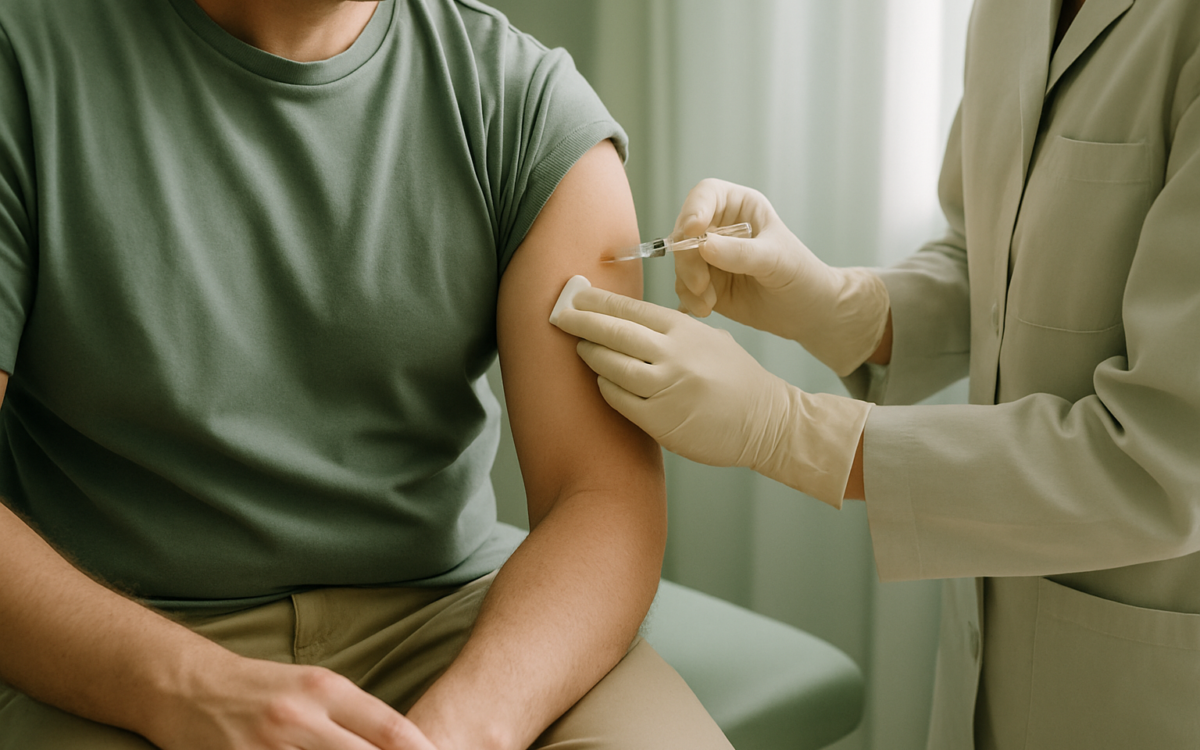
Most people think of vaccines as something we receive during childhood. However, adults also need to stay vigilant about their immunizations. One vital vaccine for adults is the MMR vaccine, which protects against measles, mumps, and rubella. Understanding the importance of MMR immunization for adults can help ensure better health and safety for everyone in the community.
The Importance of MMR Immunization
The MMR vaccine is primarily seen as a childhood vaccine, but it’s important for adults, especially those who may not have received it or who are at risk of exposure. Measles, mumps, and rubella can lead to serious complications, making immunization vital.
Who Should Get the MMR Vaccine?
Many adults may not realize they should receive the MMR vaccine. Here are some groups that should consider getting the MMR immunization:
- Adults born after 1957: If you were born after this year and did not receive the MMR vaccine during childhood, you might be at risk.
- Healthcare workers: If you work in healthcare settings, you could be exposed to measles, mumps, or rubella.
- Travelers: If you plan to travel internationally, getting immunized can help protect you and others around you.
- College students: Many colleges require proof of MMR vaccination, especially it helps prevent outbreaks.
The Risks of Measles, Mumps, and Rubella
Although these diseases are often thought of as childhood illnesses, many adults remain susceptible, especially those who are unvaccinated. The risks associated with each disease are serious:
Measles
Measles is a highly contagious viral disease. It can cause severe complications such as pneumonia, encephalitis, and even death. The risk increases dramatically for those who are unvaccinated.
Mumps
Mumps is characterized by swollen salivary glands, fever, and headache. Complications include meningitis and inflammation of the testicles or ovaries, which can affect fertility in adults.
Rubella
Rubella, or German measles, is generally milder but can cause serious issues during pregnancy, including birth defects. Protecting yourself protects unborn children!
Current Recommendations and Guidelines
The Centers for Disease Control and Prevention (CDC) suggests that adults who have not had the MMR vaccine consider getting it, particularly if they fall into the at-risk categories mentioned earlier. The vaccine is safe, effective, and can provide lifelong immunity after two doses.
The World Health Organization (WHO) also emphasizes the importance of MMR immunization as a part of global health initiatives, especially in areas where outbreaks may occur.
Possible Side Effects
As with any vaccination, there are some side effects associated with the MMR vaccine. Most people experience mild effects, such as sore arms or mild fever. Serious side effects are rare but can include allergic reactions. Overall, the benefits of vaccination far outweigh the potential risks.
How to Obtain the MMR Vaccine
Getting the MMR vaccine is often straightforward. You can typically obtain it through:
- Healthcare Providers: Talk to your doctor about getting vaccinated.
- Pharmacies: Many local pharmacies offer vaccination services where you can get the MMR vaccine without needing an appointment.
- Health Departments: Local or state health departments often provide vaccination programs, especially for those without insurance.
It’s important to bring any previous vaccination records when you go for the vaccine, as this can help your healthcare provider understand your immunization history.
When to See a Doctor
If you have questions about your vaccination status, potential side effects, or if you think you may have been exposed to measles, mumps, or rubella, consult your doctor. They can provide guidance based on your medical history and local health risks.
Staying up-to-date on immunizations is essential for protecting your health and the health of those around you. Understanding the importance of the MMR vaccine for adults can help prevent outbreaks and ensure community health.
In conclusion, while many adults may feel they are past the age of needing vaccinations, the MMR immunization is a crucial part of maintaining health throughout life. Consult your healthcare provider to ensure you have the latest information and vaccines to protect yourself against these potentially serious diseases.
