
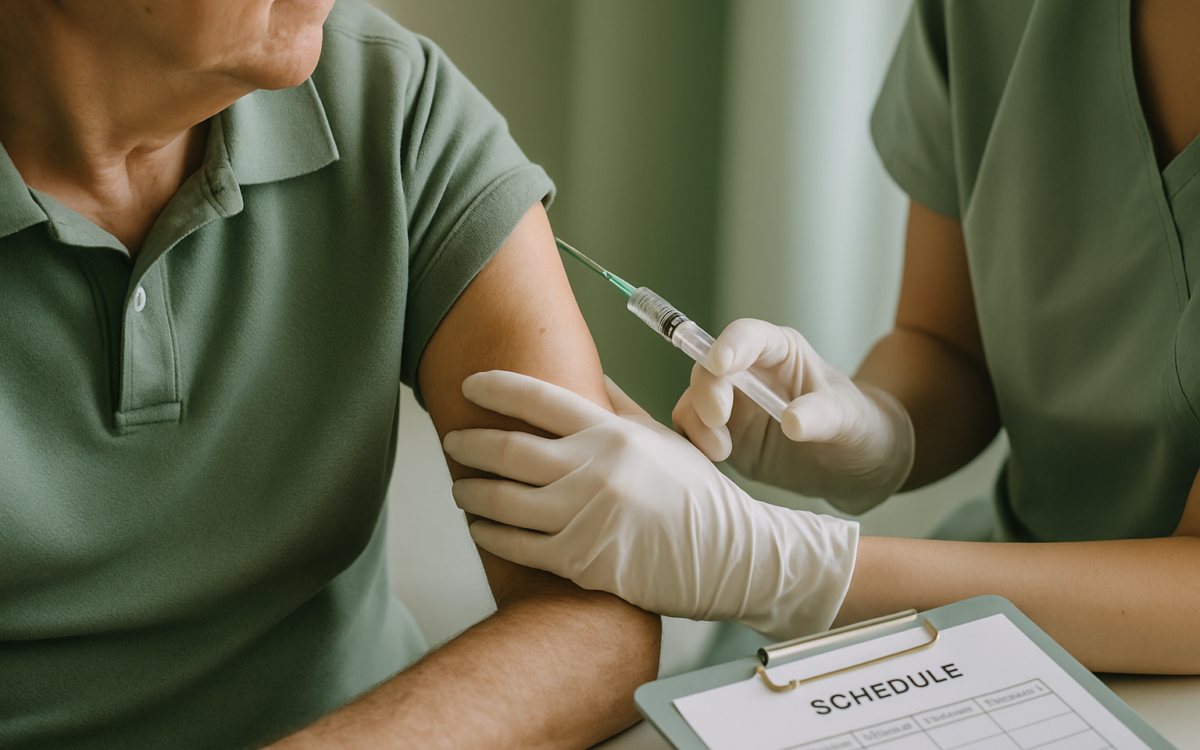
Pneumonia is a serious lung infection that can affect people of all ages, but it is especially dangerous for young children, older adults, and people with certain health conditions. Fortunately, vaccines can help prevent this illness. Knowing the pneumonia vaccine schedule is key to protecting yourself and your loved ones. In this article, we’ll guide you through the types of pneumonia vaccines available, who should receive them, and when to get vaccinated.
What are pneumonia vaccines?
Pneumonia vaccines are vaccines designed to protect against various types of pneumonia, primarily those caused by bacteria and viruses. The two most common types of vaccines are:
- Pneumococcal vaccines: These vaccines target pneumonia caused by the Streptococcus pneumoniae bacteria. They are quite effective in preventing severe diseases.
- Influenza vaccine: While primarily targeting the flu, getting vaccinated against the flu can lower the risk of developing pneumonia from flu-related complications.
Both vaccines are crucial in reducing the incidence of pneumonia, especially among high-risk groups.
Who should get vaccinated?
The pneumonia vaccine schedule primarily focuses on specific groups at higher risk of pneumonia. Here’s a breakdown:
Infants and children
The American Academy of Pediatrics recommends children receive the pneumococcal conjugate vaccine (PCV13) at:
- 2 months
- 4 months
- 6 months
- 12-15 months
Older children may also receive the pneumococcal polysaccharide vaccine (PPSV23) starting after the age of 2, especially if they have certain medical conditions.
Adults
For adults, the pneumonia vaccine recommendation changes slightly based on age and health status:
- All adults age 65 and older should receive the PPSV23 vaccine.
- Adults aged 19-64 who smoke or have certain chronic health conditions, such as heart disease or diabetes, should also consider getting vaccinated.
- Adults who are immunocompromised or have specific health challenges may need to receive both PCV13 and PPSV23 vaccines, as advised by a healthcare provider.
Pneumonia vaccine schedule for older adults
Older adults are at a higher risk for pneumonia. Therefore, it is crucial for them to follow the pneumonia vaccine schedule closely. The Centers for Disease Control and Prevention (CDC) recommends:
- One dose of PCV13, followed by a dose of PPSV23, spaced at least one year apart.
- Individuals should consult with their healthcare provider to tailor the vaccination schedule based on any existing health issues or past vaccination history.
Following these recommendations can greatly reduce the occurrence and severity of pneumonia in older adults.
Importance of annual flu vaccination
Receiving an annual flu vaccination is another key step in reducing the risk of pneumonia. The flu can lead to inflammation of the lungs, making the body vulnerable to secondary bacterial infections, including pneumonia.
Adults and children should receive their flu vaccine each year, ideally before flu season starts in late fall. The flu vaccine can also be combined with other vaccines, depending on your healthcare provider’s recommendations.
Potential side effects and safety considerations
Like other vaccines, pneumonia vaccines can cause side effects, although most are mild and temporary. Common side effects may include:
- Redness, swelling, or pain at the injection site
- Fever
- Fatigue
- Muscle aches
Serious side effects are much less common. If you have allergies to vaccines or any specific components, it’s essential to discuss this with your healthcare provider before vaccination.
When to see a doctor
If you or a loved one experience any unusual symptoms after receiving a pneumonia vaccine, such as a high fever, trouble breathing, or an allergic reaction, it’s crucial to seek medical attention immediately. Consulting with your healthcare provider will also help clarify your specific vaccination needs, especially if you’re in a high-risk group.
Conclusion
Understanding the pneumonia vaccine schedule can be your first line of defense against pneumonia. By staying informed and discussing vaccination options with your healthcare provider, you can protect yourself and your family from this serious illness. Vaccination not only helps you stay healthy but also contributes to the overall well-being of the community by reducing the spread of pneumonia. Remember, a proactive approach to health can lead to a longer and healthier life.
For additional information, you can visit reputable sources like the CDC or Mayo Clinic.
