
Testosterone is often viewed as the dominant male hormone, but its role in the body extends beyond mere muscle growth and libido. Proper testosterone levels are vital for overall health and well-being. As men age, their testosterone levels can fluctuate significantly, leading to various health concerns. This article explores the importance of checking testosterone levels, the symptoms of low testosterone, testing methods, and what to do if your levels are off balance.
What is Testosterone and Why Does It Matter?
Testosterone is a hormone produced primarily in the testicles in men and the ovaries in women, playing a crucial role in many bodily functions.
- Muscle Mass: Testosterone helps to build and maintain muscle mass.
- Bone Density: The hormone ensures bone strength and density.
- Fat Distribution: Testosterone influences fat distribution in the body.
- Mood Regulation: It plays a role in mood stability and mental health.
Low testosterone levels, or hypogonadism, can lead to a variety of health issues including fatigue, depression, and decreased sexual function. Understanding the significance of testosterone allows men to take proactive steps toward their health.
Symptoms of Low Testosterone
Being aware of the symptoms of low testosterone is vital for early detection and management. Common symptoms include:
- Fatigue and decreased energy levels
- A decrease in libido or sexual desire
- Difficulty achieving and maintaining an erection
- Loss of muscle mass and strength
- Increased body fat
- Emotional changes such as irritability or depression
Addressing these symptoms with a healthcare professional can lead to better health outcomes.
How to Check Testosterone Levels
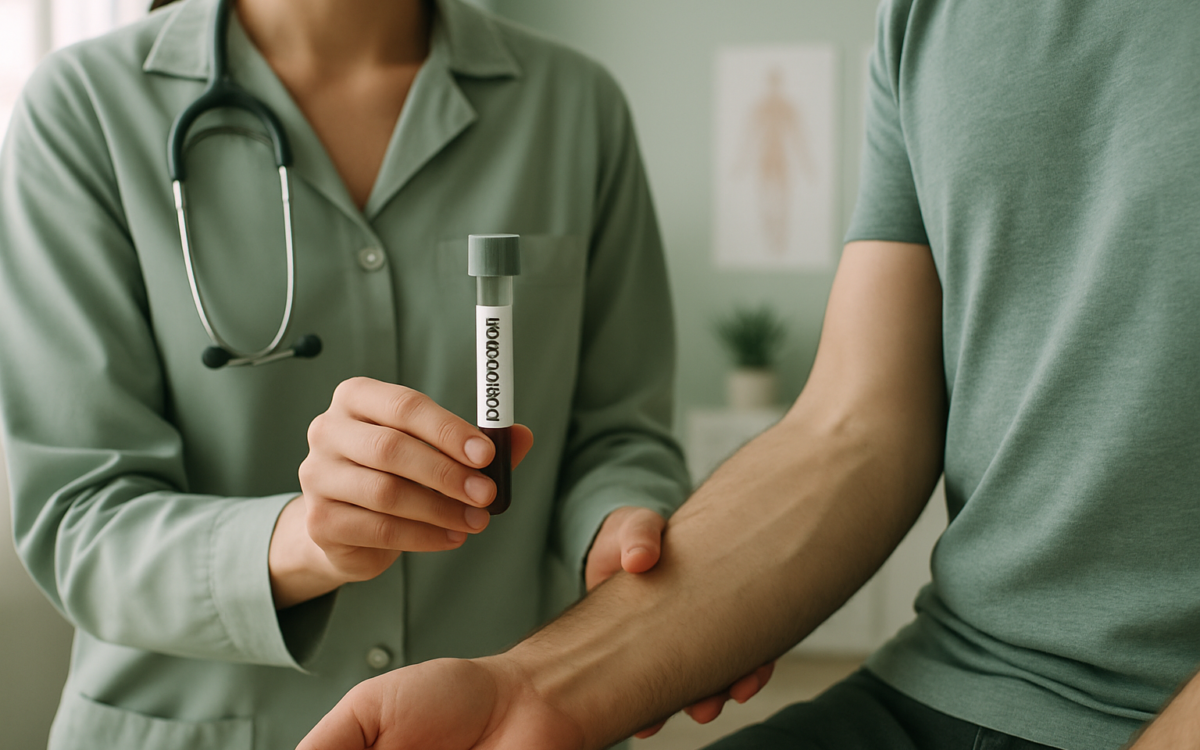
Checking testosterone levels typically involves a simple blood test. A healthcare professional will take a sample of your blood, usually in the morning when testosterone levels are at their peak. This blood test measures the total and free testosterone levels in your system.
It’s essential to discuss any symptoms with your doctor before getting tested. Here’s how the process generally goes:
- Consult Your Doctor: Schedule an appointment if you suspect low testosterone based on symptoms.
- Blood Test: Your doctor will order a specific test to measure your hormone levels.
- Follow-Up: Depending on the results, your doctor may recommend further testing or treatment options.
For those considering hormone therapy or other treatments, it’s important to explore all options available, including international perspectives and treatments. For detailed insights into global treatment options, resources like acibademinternational.com can provide valuable information.
Treatment Options for Low Testosterone
If your testosterone levels are found to be low, several treatment options are available:
- Testosterone Replacement Therapy (TRT): This is the most common treatment, which involves taking testosterone through injections, patches, or gels.
- Lifestyle Changes: Improving diet, exercising, and managing stress can increase testosterone levels naturally.
- Medications: In some cases, medications may be prescribed to stimulate the body’s own testosterone production.
Each treatment comes with potential benefits and risks, so discussing your options with your healthcare provider is essential to find the best approach for you.
When to See a Doctor
Consider making an appointment with your healthcare provider if you experience symptoms of low testosterone. Factors like age, medical history, and other health conditions can influence testosterone levels, so it’s important to get a comprehensive evaluation.
Regular check-ups and open discussions about your health can lead to better management of any hormonal imbalances and overall wellbeing.
Conclusion
Checking testosterone levels is a critical step in maintaining men’s health, especially as you age. By understanding the symptoms of low testosterone and knowing how to get tested, you can take control of your health. Always consult with a healthcare professional for personalized advice and treatment options to ensure you make the best choices for your health.
