
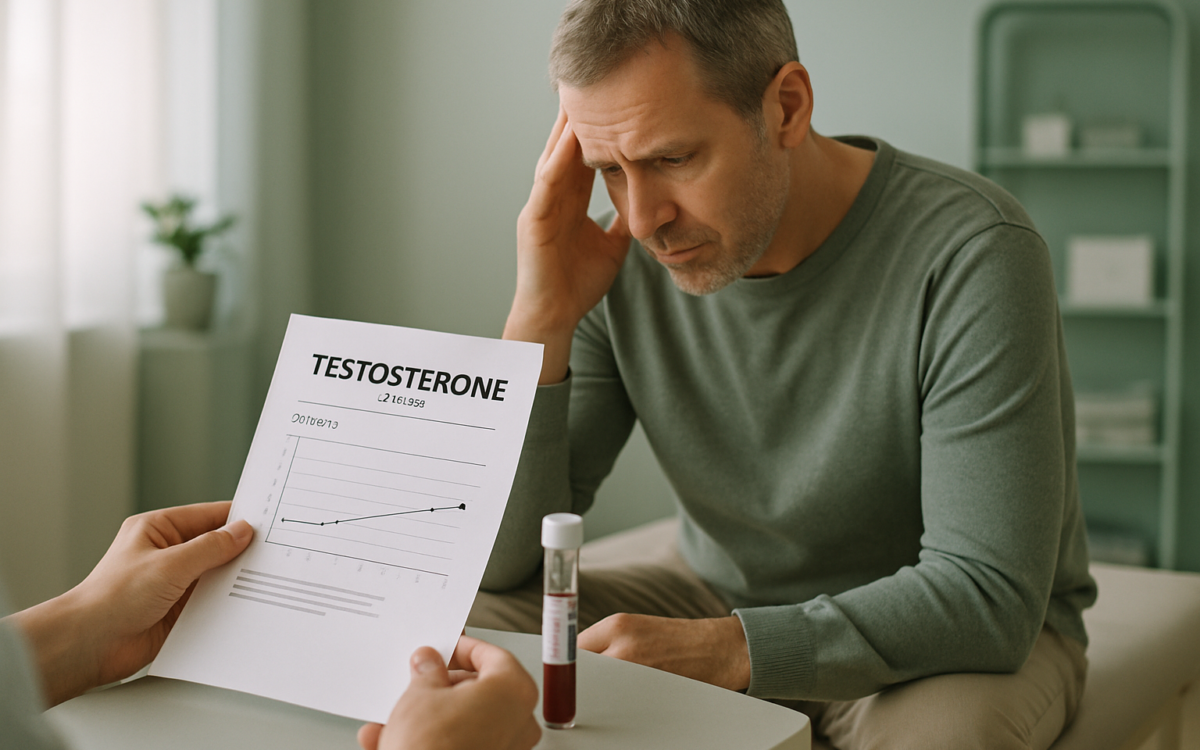
Testosterone plays a vital role in many aspects of health, particularly in men. While we often hear about low testosterone levels, or testosterone deficiency, it remains shrouded in misunderstanding. Many people associate testosterone deficiency only with older age or certain illnesses, but this condition can affect individuals of various ages and backgrounds. Understanding testosterone deficiency can empower you to recognize its signs and seek appropriate help.
What is testosterone deficiency?
Testosterone deficiency, also known as hypogonadism, occurs when the body does not produce enough testosterone. This condition can result from various factors, including age, genetic disorders, and health conditions such as obesity and type 2 diabetes. In certain cases, testosterone deficiency is temporary and may rectify with lifestyle changes, while in others, it may require more comprehensive treatment.
Recognizing the symptoms of testosterone deficiency
Symptoms of testosterone deficiency can vary widely among individuals, but some common ones include:
- Reduced sex drive (libido)
- Erectile dysfunction
- Fatigue and lack of energy
- Loss of muscle mass
- Increased body fat
- Emotional changes, such as depression or irritability
Because many of these symptoms can be attributed to other health issues or even normal aging, it is essential to consult a healthcare provider for a proper diagnosis. According to NIH, symptoms can appear gradually, making it easy to overlook or dismiss them as typical aging signs.
Common causes of testosterone deficiency
Multiple factors can contribute to low testosterone levels. Understanding these causes is key to approaching treatment. Some common causes include:
Age
As men age, testosterone levels naturally decline, typically beginning around age 30. While this decline is a normal part of life, some may experience a more significant decrease than others.
Health conditions
Certain health issues can impact hormone production. Conditions such as obesity, type 2 diabetes, and chronic liver or kidney diseases have been linked to testosterone deficiency. Additionally, hormonal disorders, brain injuries, or tumors affecting the pituitary gland can disrupt testosterone production.
Lifestyle factors
Lifestyle choices also play a significant role in testosterone levels. Poor diet, lack of exercise, and high-stress levels can contribute to hormonal imbalances. Smoking and excessive alcohol consumption are also associated with lower testosterone levels.
Diagnosing testosterone deficiency
If you suspect you may have testosterone deficiency, a visit to your doctor is the important first step. Diagnosis typically starts with a thorough physical examination and a discussion of your symptoms and medical history. Your doctor may order blood tests to measure testosterone levels, usually conducted in the morning when hormone levels are highest.
Treatment options for testosterone deficiency
Treatment for testosterone deficiency is highly individualized, depending on the specific causes and symptoms. Options may include:
Testosterone replacement therapy (TRT)
This therapy involves supplementing testosterone through different methods, such as injections, skin patches, or gels. While TRT can help alleviate symptoms and restore hormonal balance, it may have side effects that should be discussed with your doctor.
Lifestyle modifications
In some cases, addressing lifestyle factors can significantly impact testosterone levels. Regular exercise, a healthy diet rich in nutrients, maintaining a healthy weight, and managing stress can help improve hormonal balance.
Myths about testosterone deficiency
Many myths surround testosterone deficiency that can lead to misunderstandings. One common myth is that testosterone deficiency only affects older men. In reality, while age is a significant factor, younger males can also experience hormonal imbalances due to various reasons. Another myth is that testosterone replacement is a cure-all; while it can relieve symptoms, it is essential to combine therapy with other healthy lifestyle choices for optimal results.
When to see a doctor
If you’re experiencing symptoms commonly associated with testosterone deficiency, it’s essential to speak with a healthcare provider who can help determine the underlying cause and formulate a treatment plan tailored to your needs. Additionally, if you notice significant changes in mood, energy levels, or sexual function, these could signal the need for medical consultation.
Conclusion
Understanding testosterone deficiency is crucial for maintaining overall health and well-being. By recognizing the symptoms and knowing when to seek help, individuals can take proactive steps toward better hormonal health. As we continue to learn more about this condition, it becomes increasingly clear that effective management is possible, leading to improved quality of life.
