
As men age, their bodies undergo various changes, including fluctuations in hormone levels. One key hormone is testosterone, which plays a crucial role in many aspects of male health. Understanding how testosterone levels change with age can help men make informed health decisions throughout their lives.
What is testosterone?
Testosterone is a hormone produced primarily in the testicles. It’s essential for developing male physical characteristics, such as muscle mass, body hair, and deep voice. Beyond physical attributes, testosterone also impacts mood, energy levels, and sexual health. The body naturally maintains testosterone levels within a specific range, but these levels can decrease over time for various reasons.
Testosterone levels by age
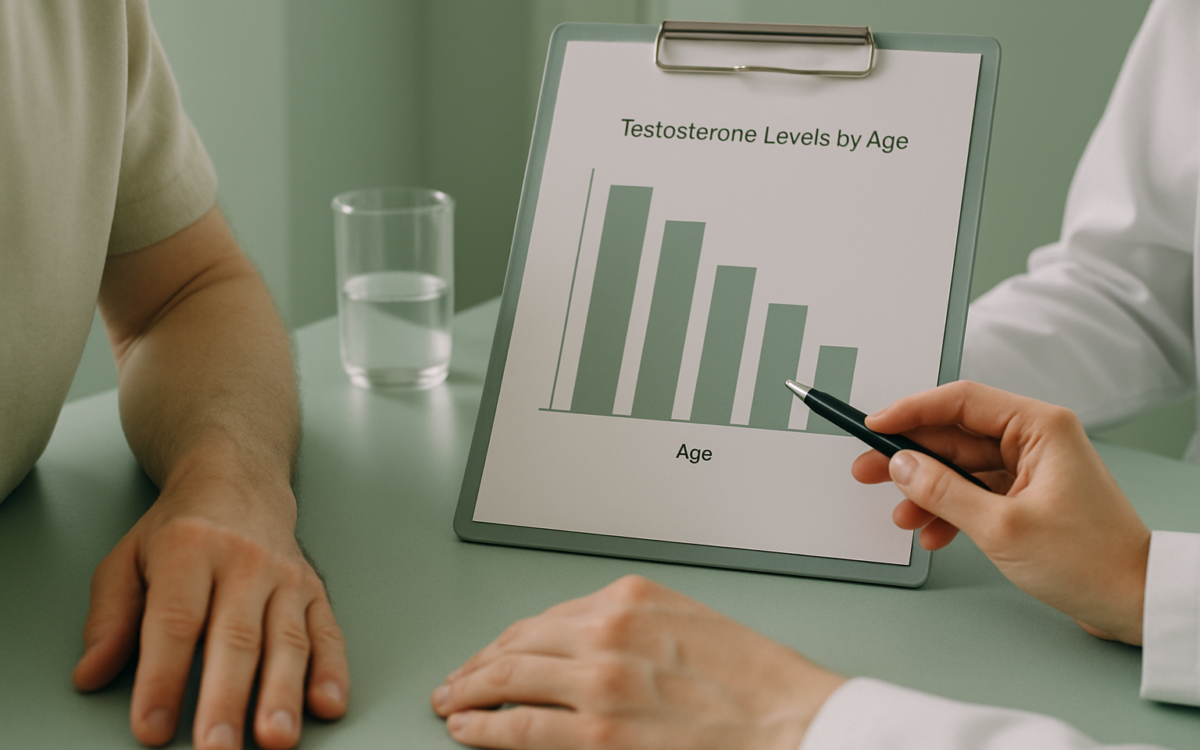
Research indicates that testosterone levels tend to peak during adolescence and early adulthood, typically between the ages of 18 and 30. After this peak, testosterone levels gradually decline. By the time most men reach their late 30s or early 40s, they may experience a noticeable drop in testosterone. Here’s a breakdown of average testosterone levels by age:
- 18-30 years: 300-1,000 ng/dL
- 30-40 years: 300-900 ng/dL
- 40-50 years: 300-800 ng/dL
- 50-60 years: 250-700 ng/dL
- 60 years and older: 200-600 ng/dL
These values are approximate and can vary from person to person. Factors such as overall health, lifestyle, and genetics can influence individual testosterone levels.
Factors affecting testosterone levels
Several factors can contribute to fluctuations in testosterone levels, including:
- Age: Naturally, the aging process leads to lower testosterone production.
- Obesity: Excess body fat, especially around the abdomen, can lead to lower testosterone levels.
- Stress: Chronic stress may result in elevated cortisol levels, which can negatively impact testosterone production.
- Medical conditions: Conditions such as diabetes, hypogonadism, and certain hormonal disorders can lead to reduced testosterone levels.
- Lifestyle factors: Poor diet, lack of exercise, and inadequate sleep can all affect hormone balance.
Signs of low testosterone
Low testosterone, or hypogonadism, can lead to various symptoms that may affect a man’s quality of life. Common signs of low testosterone include:
- Fatigue and low energy levels
- Reduced libido or sexual dysfunction
- Depression or mood swings
- Decreased muscle mass and strength
- Increased body fat
If you notice any combination of these symptoms, it may be worth discussing with a healthcare provider who can offer guidance.
Testing testosterone levels
If you suspect that your testosterone levels may be low, a doctor can administer a blood test to measure your testosterone levels. Usually, testosterone is measured in nanograms per deciliter (ng/dL). It’s essential to get tested in the morning when testosterone levels are typically the highest. If low levels are confirmed, your doctor may recommend further tests or treatments.
Seeking international treatment options
For those considering treatments for low testosterone, it’s worth noting that options vary by location. Some men may explore treatments abroad, where they might find different approaches or therapies. Facilities like Acibadem International offer specialized care that could cater to specific health needs and preferences. It’s essential to research the options and consult with medical professionals to understand the best course of action.
When to see a doctor
If you’re experiencing symptoms associated with low testosterone or have concerns about your hormone levels, it’s crucial to consult with a healthcare provider. They can provide a proper evaluation and determine if further testing or treatment is necessary. Regular check-ups and open communication about health can empower men to stay proactive about their well-being.
Understanding testosterone levels is key to managing health as you age. Being informed about how testosterone levels change and when to seek help can lead to better health outcomes for men at any stage of life.
