
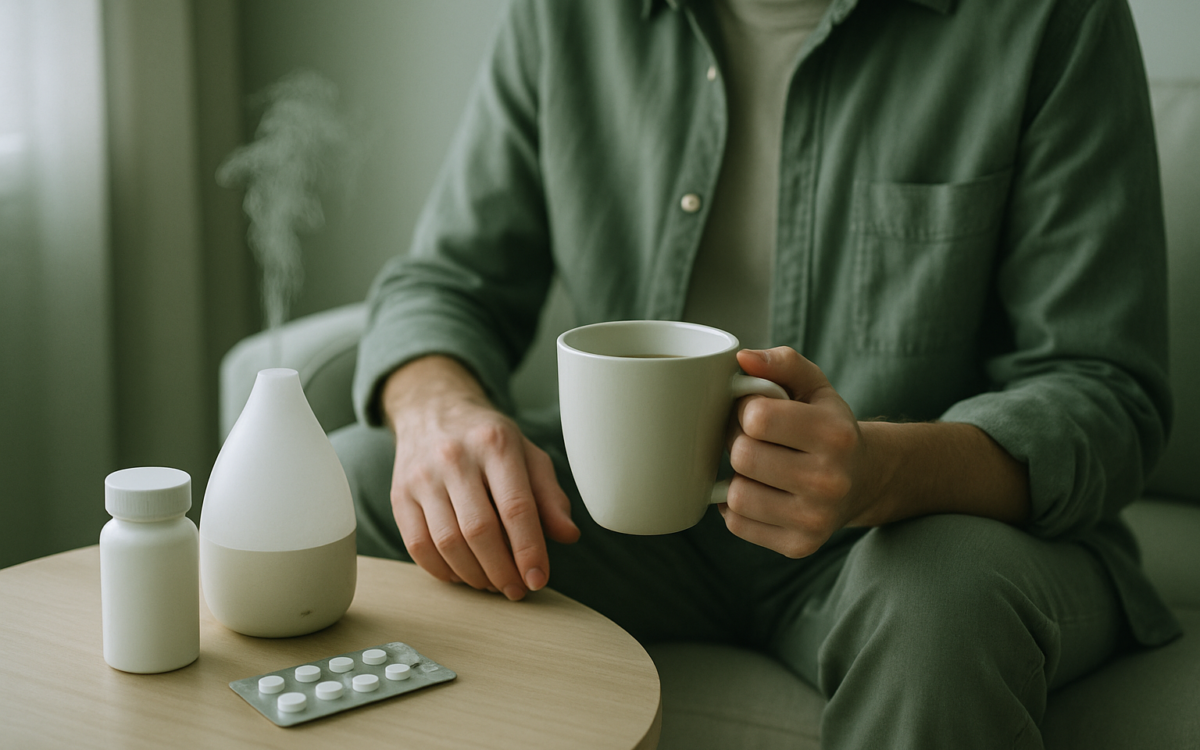
Anxiety can feel overwhelming, making it hard to focus or enjoy daily life. Many people experience anxiety in different ways, from racing thoughts to physical tension. Understanding how to calm anxiety can empower you to regain control over your feelings and improve your overall well-being. In this article, we will explore several effective strategies to help you find peace during anxious moments.
Understanding Anxiety
Anxiety is a natural response to stress. It’s your body’s way of preparing for challenges, but when anxiety continues for an extended period, it can interfere with daily activities. Familiarizing yourself with anxiety triggers is a key step in managing your emotional state.
Breathing Techniques for Relaxation
One of the simplest and most effective ways to calm anxiety is through controlled breathing. When you experience anxiety, your breathing becomes quick and shallow. By practicing deep breathing, you can counteract these feelings.
How to Practice Deep Breathing
- Find a comfortable place to sit or lie down.
- Inhale deeply through your nose for a count of four.
- Hold your breath for a count of four.
- Exhale slowly through your mouth for a count of four.
- Repeat this cycle for a few minutes, focusing on your breath.
Research has shown that deep breathing can help reduce anxiety levels by promoting relaxation. By engaging in this practice regularly, you can train your body to respond better to stress.
The Power of Mindfulness
Mindfulness is the practice of being present and fully engaged with the moment, which can be incredibly helpful for calming anxiety. Instead of worrying about the future or ruminating on the past, mindfulness allows you to focus on now.
Ways to Incorporate Mindfulness
- Try a guided meditation app or video.
- Practice being aware of your surroundings, noticing details like sounds, smells, and sensations.
- Engage in mindful walking, paying attention to each step.
Mindfulness has been shown to decrease symptoms of anxiety and improve mental clarity. You can start small, setting aside just a few minutes each day to practice mindfulness techniques.
Physical Activity and Its Benefits
Exercise is another effective way to manage anxiety. Physical activity promotes the release of endorphins, chemicals in the brain that act as natural painkillers and mood elevators. Incorporating regular exercise into your routine can help you maintain a healthier emotional balance.
Types of Exercise to Consider
- Walking or jogging outdoors
- Yoga or tai chi for gentle movements
- Strength training to build endurance
Even short bouts of exercise, like taking a brisk walk or dancing to your favorite song, can help reduce anxiety levels. Aim for at least 30 minutes of physical activity most days of the week for optimal benefit.
Establishing a Support System
No one should have to manage anxiety alone. Sharing your feelings with trusted friends or family members can provide comfort and insight. Having a support system in place is crucial for mental health.
How to Build Your Support System
- Reach out to friends and family regularly.
- Join a local support group or an online community.
- Consider speaking with a counselor or therapist if you’re feeling overwhelmed.
A supportive environment not only alleviates feelings of loneliness but also encourages healthy coping strategies. Sometimes talking about what you’re experiencing can provide relief.
Practicing Self-Care
Self-care is vital in managing anxiety. When we prioritize our well-being, we create a stronger foundation for handling stress. Self-care can be as simple as taking a warm bath, reading a book, or enjoying nature.
Ideas for Self-Care
- Establish a daily routine that includes relaxation time.
- Spend time on hobbies that you enjoy.
- Practice gratitude by keeping a journal of things you are thankful for.
By integrating self-care activities into your life, you foster resilience against anxiety and improve your overall mood.
When to See a Doctor
If your anxiety persists, worsens, or interferes with your daily life despite trying these methods, it may be time to consult a medical professional. Conditions like generalized anxiety disorder (GAD) or panic disorder may require additional support. Always consult with healthcare providers about the best approach for your specific situation. For more information, you can visit the Mayo Clinic.
Ultimately, understanding how to calm down anxiety can significantly enhance your mental well-being. Remember that everyone has their unique journey, and it’s perfectly okay to seek help. Take small steps, be patient with yourself, and use the strategies that resonate with your needs. Finding peace is a journey, and you’re not alone on this path.
