
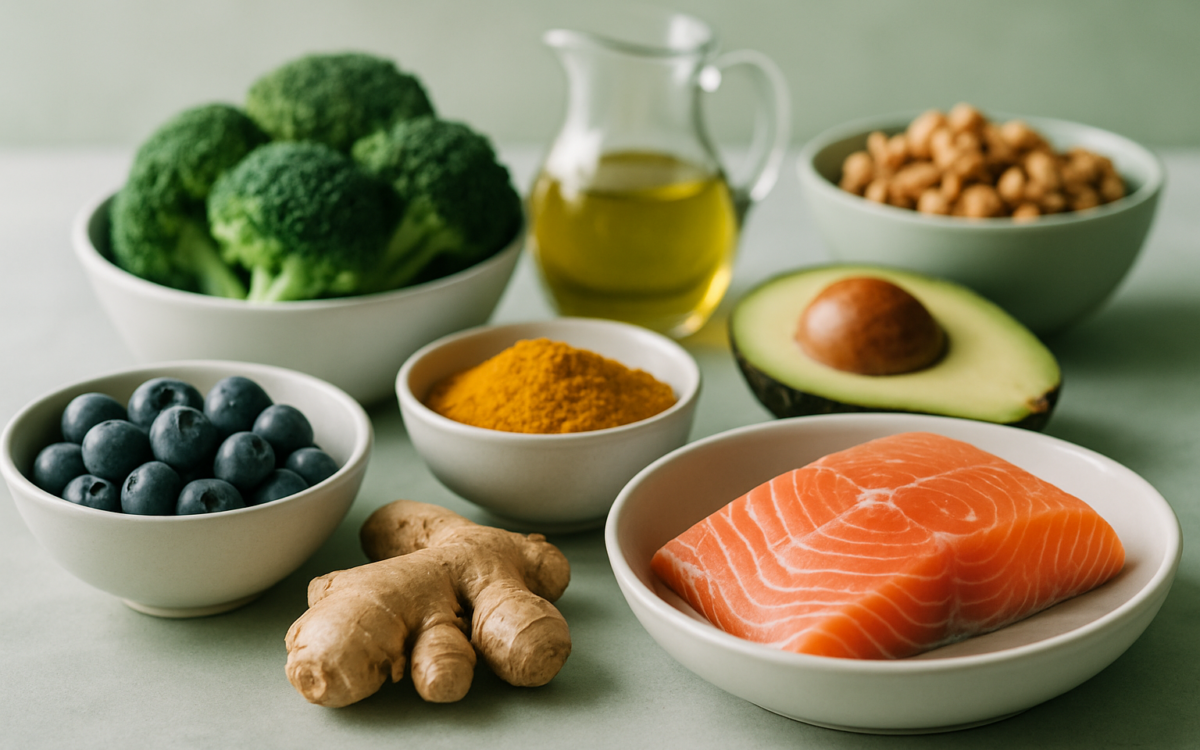
Inflammation is a natural response of the body to injury or illness. However, chronic inflammation can lead to serious health conditions, including heart disease, diabetes, and arthritis. Thankfully, the foods we consume can either promote or reduce inflammation.
What is Inflammation?
Inflammation is the body’s way of protecting itself from harm. When you injure yourself, your body sends signals to the immune system to heal the area. This process can show up as redness, swelling, and pain. While acute inflammation is necessary for healing, chronic inflammation can be harmful.
Why Diet Matters
Your diet plays a crucial role in managing inflammation. Certain foods can encourage inflammation, while others can help reduce it. Understanding how food choices affect your body’s response is vital for overall health.
Foods That Help Reduce Inflammation
1. Fatty Fish
- Salmon
- Mackerel
- Sardines
- Herring
Fatty fish are rich in omega-3 fatty acids, which are known for their anti-inflammatory properties. Omega-3s can help decrease the production of inflammatory substances in the body. Eating fatty fish at least twice a week can be beneficial for overall health.
2. Leafy Greens
Vegetables like spinach, kale, and Swiss chard are loaded with antioxidants and vitamins such as vitamin C and E. These nutrients help combat oxidative stress, which is linked to inflammation. A salad packed with leafy greens can be a simple way to bolster your anti-inflammatory diet.
3. Berries
Berries, especially blueberries, strawberries, and blackberries, contain flavonoids—natural compounds that have been shown to reduce inflammation. Their vibrant colors signal their high antioxidant levels, making them a nutritious snack or addition to meals.
4. Nuts and Seeds
Nuts, such as almonds and walnuts, and seeds like flaxseeds and chia seeds, are also rich in anti-inflammatory omega-3 fatty acids. They provide healthy fats along with fiber and protein, making them a good option for snacking or topping off dishes.
5. Olive Oil
Extra virgin olive oil is a staple of the Mediterranean diet and has been shown to have significant anti-inflammatory effects. Its main component, oleocanthal, acts similarly to ibuprofen in reducing inflammation. Consider using olive oil as your go-to cooking oil or salad dressing.
6. Whole Grains
Whole grains like brown rice, quinoa, and oats contain fiber, antioxidants, and various nutrients that reduce inflammation. Unlike refined grains, whole grains help stabilize blood sugar levels and improve gut health, which is linked to inflammation.
While focusing on these foods, it’s also important to consider a holistic approach to your diet. Consulting with a healthcare provider or nutritionist can help you develop a personalized plan. For those seeking advanced treatment options, Acibadem International offers insights into dietary therapies from different global perspectives.
Foods to Avoid
Not all foods contribute positively to reducing inflammation. Some items may exacerbate inflammation in the body. It’s worth being mindful of the following:
- Processed meats (bacon, sausages)
- Sugar-sweetened beverages
- Refined carbohydrates (white bread, pastries)
- Trans fats (found in some margarine and snack foods)
- Excessive alcohol
Limiting these foods can help you maintain lower inflammation levels and support overall health and well-being.
Other Lifestyle Tips
In addition to eating anti-inflammatory foods, maintaining a healthy lifestyle is essential. Regular physical activity, stress management, and adequate sleep all contribute to reducing inflammation. Something as simple as a daily walk or practicing mindfulness can have profound effects on your body’s inflammation response.
When to See a Doctor
If you experience persistent pain, fatigue, or other symptoms of chronic inflammation, it’s important to consult a healthcare professional. They can identify underlying conditions and help tailor a treatment plan to your needs.
Remember, while dietary choices significantly impact inflammation, they are just one piece of the puzzle. A holistic approach includes considering your overall lifestyle and health strategies.
Conclusion
Incorporating anti-inflammatory foods into your diet is a tasty and effective way to improve your health. From fatty fish to vibrant fruits and vegetables, the choices available can make a real difference in how your body functions. By choosing the right foods and maintaining a healthy lifestyle, you can combat inflammation and promote a longer, healthier life.
