
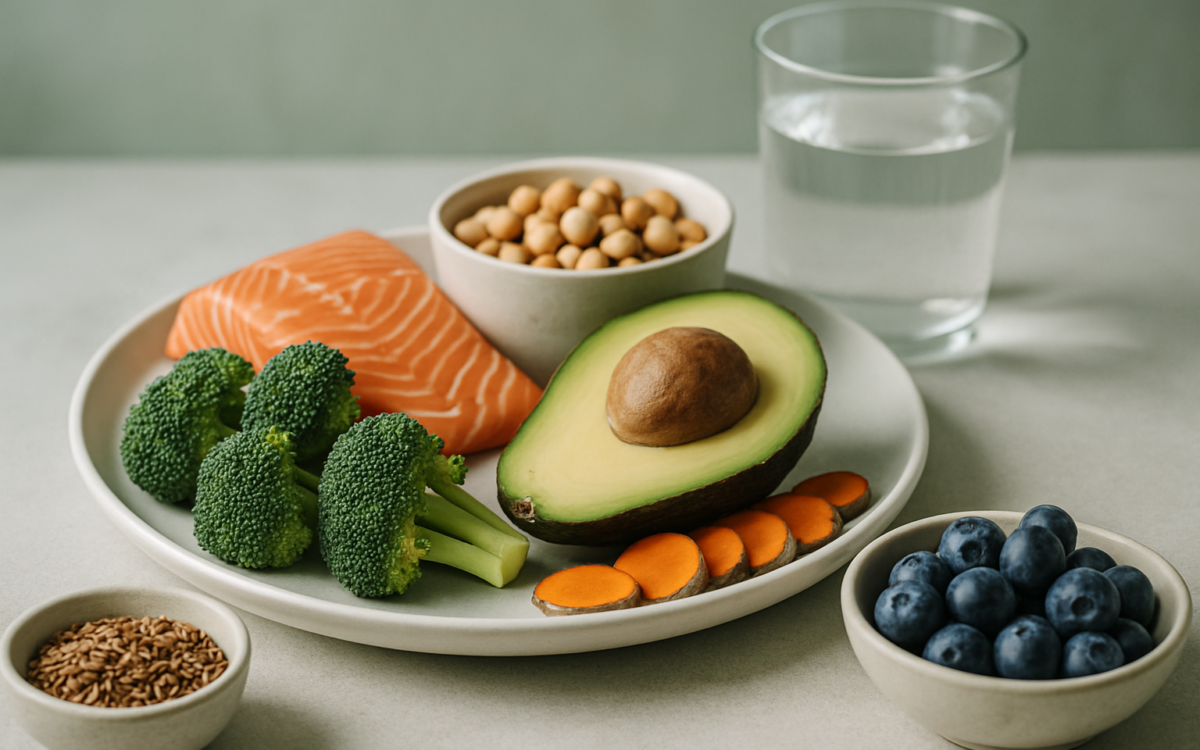
Inflammation is a natural response of the body to injury or infection. While it is essential for healing, chronic inflammation can contribute to a variety of health issues, including heart disease, diabetes, and arthritis. Fortunately, certain foods can help combat inflammation and support overall health. In this article, we’ll explore some of the best foods that can decrease inflammation and how they can benefit your body.
1. Fruits: Nature’s Sweet Relief
Fruits are packed with vitamins, minerals, and antioxidants that help reduce inflammation. Berries, in particular, are among the top choices for their anti-inflammatory properties. Blueberries, strawberries, and raspberries contain high levels of antioxidants called flavonoids, which have been linked to lower inflammation levels.
- Blueberries: Studies suggest that blueberries can reduce inflammatory markers in the body and improve heart health.
- Cherries: Tart cherries contain anthocyanins that help reduce inflammation and can ease the symptoms of arthritis.
- Oranges: Citrus fruits are high in vitamin C, which helps lower inflammation and boost the immune system.
2. Vegetables: The Power of Greens
Vegetables are crucial in any anti-inflammatory diet. Leafy greens like spinach, kale, and Swiss chard are excellent choices due to their high concentration of antioxidants and vitamins. They can provide not only anti-inflammatory benefits but also essential nutrients for overall health.
- Spinach: Rich in antioxidants, spinach helps reduce inflammation and may support heart health.
- Kale: This nutrient-dense vegetable is loaded with vitamins A, C, and K, all of which play a role in managing inflammation.
- Broccoli: Contains sulforaphane, an antioxidant that inhibits the production of inflammatory markers in the body.
3. Healthy Fats: Omega-3s and Beyond
Not all fats are created equal. Healthy fats, particularly omega-3 fatty acids, are known for their anti-inflammatory properties. Including sources of these fats in your diet can help reduce chronic inflammation and improve heart health.
- Fatty fish: Salmon, mackerel, and sardines are rich in omega-3s, which have been shown to lower the levels of inflammation in the body.
- Flaxseeds: These tiny seeds are a great plant-based source of omega-3s and can be easily added to smoothies, yogurt, or salads.
- Avocados: Packed with healthy monounsaturated fats and antioxidants, avocados can support a balanced diet while lowering inflammation.
4. Whole Grains: Fuel Your Body Right
Unlike refined grains, whole grains retain their nutrient content and can help fight inflammation. They provide essential fibers, vitamins, and minerals that support health in various ways. Choosing whole grains over processed options can make a significant difference in your overall well-being.
- Quinoa: This gluten-free grain is rich in protein and fiber, promoting gut health, which is closely linked to inflammation levels.
- Brown rice: A whole grain that provides essential nutrients without the inflammatory effects of white rice.
- Oats: Oats contain beta-glucans, which are known to have beneficial effects on cholesterol levels and inflammation.
5. Spices: Kick Up the Flavor
Spices not only add flavor to your meals but also boast impressive health benefits. Some spices have potent anti-inflammatory properties that can help combat chronic inflammation effectively.
- Turmeric: Contains curcumin, a powerful anti-inflammatory compound. Adding turmeric to your meals can enhance both flavor and health benefits.
- Ginger: Known for its ability to soothe digestive issues, ginger also has anti-inflammatory properties and can help reduce muscle pain and soreness.
- Cinnamon: This popular spice has been shown to reduce inflammation and lower blood sugar levels, making it a great addition to your diet.
When to See a Doctor
If you experience persistent pain, swelling, or other symptoms related to inflammation, it’s essential to consult a healthcare provider. They can evaluate your situation and provide guidance on managing your health.
Making mindful food choices can significantly impact your health and help lower inflammation. By incorporating a variety of fruits, vegetables, healthy fats, whole grains, and spices into your diet, you can promote overall well-being and potentially reduce the risk of chronic diseases. Remember, always consult with your doctor or a nutritionist for personalized advice regarding your diet.
