
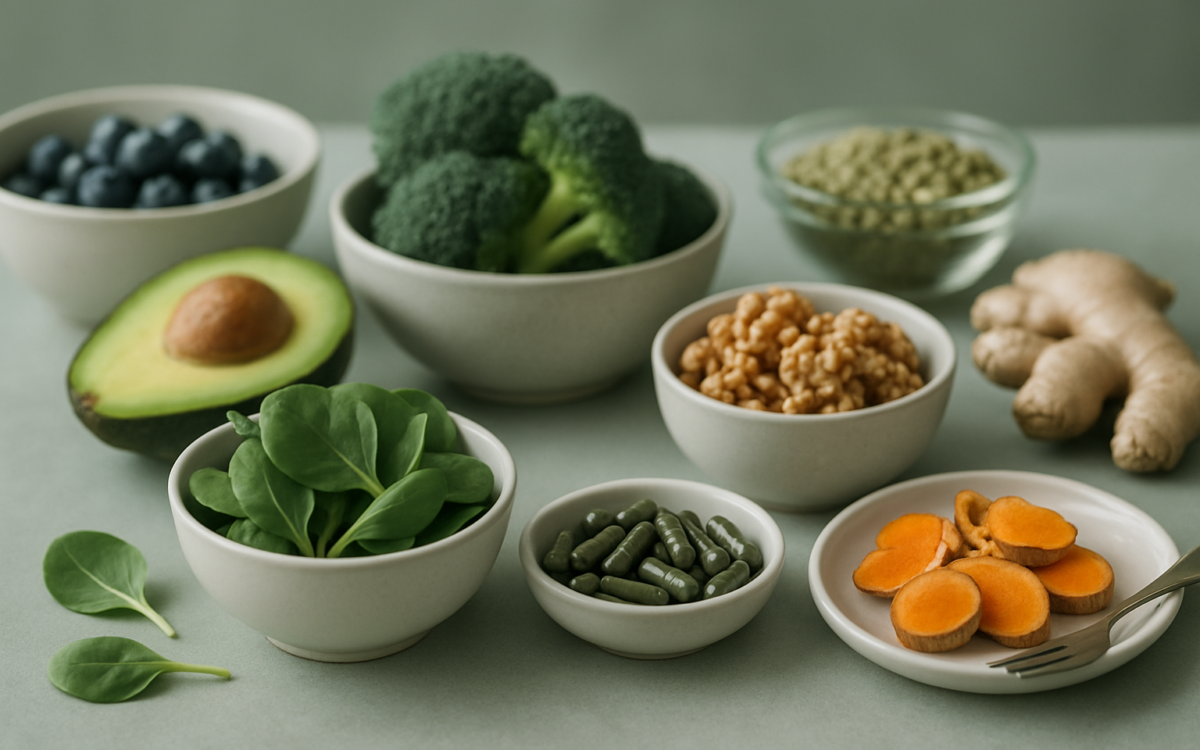
Inflammation plays a significant role in many chronic diseases, including heart disease, diabetes, and arthritis. While acute inflammation is a natural response of your immune system to injury or infection, chronic inflammation can lead to serious health issues. Fortunately, including certain foods in your diet can help combat inflammation, making your meals both delicious and health-promoting.
Understanding Inflammation
Before we delve into the foods you can eat, it’s essential to understand what inflammation is. It’s your body’s way of signaling the immune system to heal and defend itself. However, when inflammation lingers too long, it can become harmful. Chronic inflammation is linked to diseases such as cancer and Alzheimer’s. By choosing anti-inflammatory foods, you can help mitigate the risk of these conditions and promote overall health.
Top Inflammation-Reducing Foods
1. Fatty Fish
Fatty fish like salmon, mackerel, and sardines are rich in omega-3 fatty acids, which have been shown to reduce inflammation. Omega-3s help lower levels of inflammatory markers in the blood. Adding fatty fish to your diet at least twice a week can be a tasty way to harness these benefits.
2. Leafy Greens
Leafy greens, such as spinach, kale, and Swiss chard, are loaded with vitamins, minerals, and antioxidants. They are particularly high in vitamin K, which can help reduce inflammatory responses. Consider tossing some spinach into your smoothie or enjoying a kale salad with olive oil and lemon for an extra health boost.
3. Berries
Berries like strawberries, blueberries, and blackberries are incredibly potent when it comes to fighting inflammation. They are rich in antioxidants called flavonoids, which can help combat oxidative stress in the body. Snack on these fruits raw, blend them into smoothies, or add them to your breakfast oats for a flavorful anti-inflammatory treat.
4. Nuts and Seeds
Nuts, especially walnuts and almonds, along with seeds like chia and flaxseeds, are excellent sources of healthy fats and antioxidants. These foods are high in omega-3s and can help reduce inflammation. Incorporate a handful of nuts as a snack or sprinkle seeds on your salads or yogurt.
5. Olive Oil
Extra virgin olive oil is renowned for its heart health benefits, but it also acts as an anti-inflammatory food. Rich in healthy monounsaturated fats and antioxidants, it can help decrease inflammation levels in the body. Use it in salad dressings or for sautéing vegetables to add flavor while reaping its benefits.
6. Spices and Herbs
Certain spices can be extraordinarily effective at fighting inflammation. Turmeric, for example, contains curcumin, which has potent anti-inflammatory properties. Ginger is another wonderful addition for its ability to reduce muscle pain and soreness from inflammation. Consider incorporating these spices into your cooking for an extra boost.
Food from Around the World
Many cuisines prioritize inflammation-reducing foods, promoting health across cultures. For example, the Mediterranean diet, which emphasizes whole grains, healthy fats, and fresh fruits, has been praised for its anti-inflammatory benefits. If you’re interested in international treatment perspective, acibademinternational.com provides insights into how different dietary practices around the world emphasize health and wellness.
Making Dietary Changes
Transitioning to an anti-inflammatory diet doesn’t have to be overwhelming. Here are a few tips to get started:
- Gradually incorporate more fruits and vegetables into your meals. Aim for a variety of colors to maximize nutrients.
- Experiment with new recipes that feature the foods mentioned above.
- Replace processed foods with whole foods whenever possible.
- Stay hydrated with water and herbal teas instead of sugary drinks.
When to See a Doctor
If you have chronic inflammation or conditions like arthritis, diabetes, or heart disease, consult with your doctor. They can help you create an individualized plan that incorporates dietary changes along with other lifestyle modifications.
Conclusion
Incorporating inflammation-reducing foods into your diet can significantly impact your health. By focusing on whole foods rich in nutrients, antioxidants, and healthy fats, you can help your body combat chronic inflammation. Remember, while diet plays a crucial role in reducing inflammation, it’s only one part of your overall health strategy. Always consult with your healthcare provider for personalized guidance.
