
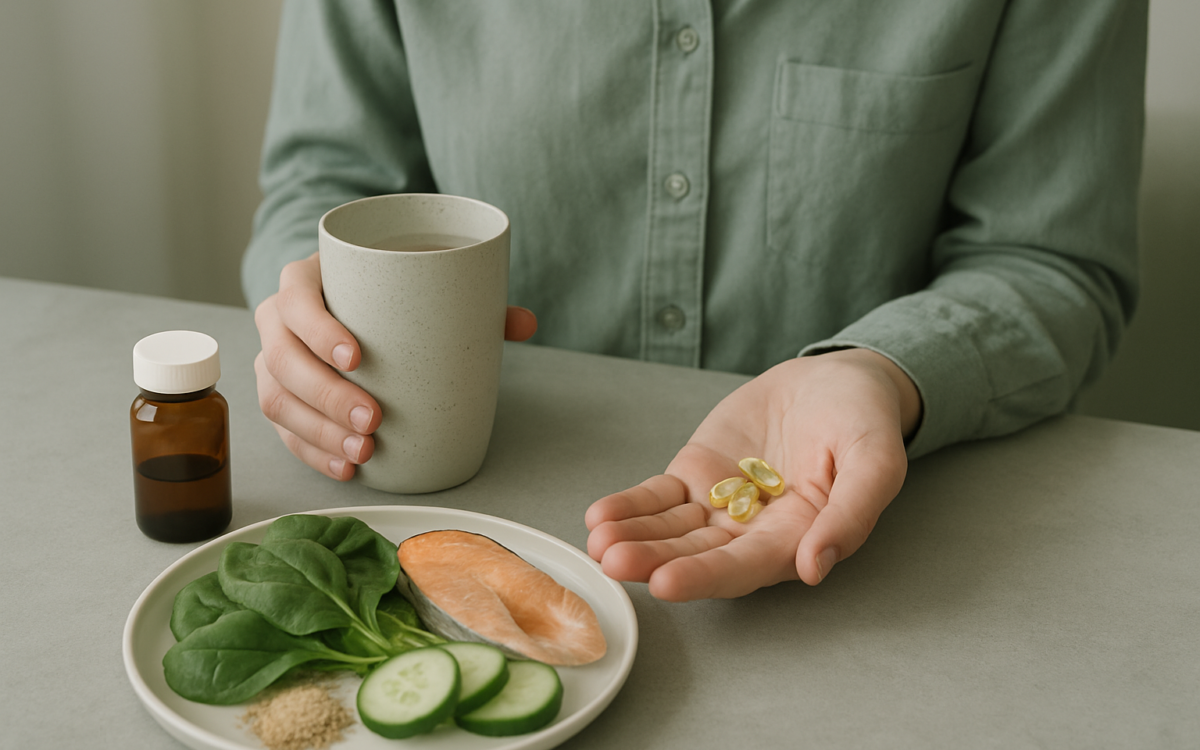
Inflammation is a natural process that helps our body heal and fight infections. However, when it becomes chronic, it can lead to various health issues, including heart disease, diabetes, and arthritis. Understanding how to reduce inflammation can significantly improve your health and well-being. In this article, we will explore practical strategies and lifestyle changes that can help manage and decrease inflammation in your body.
Understanding Inflammation
Inflammation is a complex biological response triggered by the immune system. When you get injured or your body detects harmful pathogens, your immune cells release signals to protect the area, leading to redness, swelling, heat, and pain. This acute inflammation is essential for healing.
Chronic inflammation, however, is different. It happens when inflammation persists for long periods, potentially causing damage to healthy tissues. Factors contributing to chronic inflammation include poor diet, lack of physical activity, stress, obesity, and environmental toxins. Recognizing the differences and knowing how to address chronic inflammation is essential for maintaining health.
Embrace an Anti-Inflammatory Diet
Your diet plays a significant role in controlling inflammation. Incorporating various anti-inflammatory foods can help lower your body’s inflammatory markers. Consider the following tips:
- Fruits and Vegetables: Aim for a rainbow of colors on your plate. Berries, cherries, oranges, broccoli, and leafy greens are particularly rich in anti-inflammatory compounds.
- Healthy Fats: Sources of omega-3 fatty acids, like fatty fish (salmon, sardines) and walnuts, can reduce inflammation. Extra virgin olive oil is another great option.
- Whole Grains: Swap refined grains for whole grains like quinoa, brown rice, and whole wheat bread to help control inflammation.
- Nuts and Seeds: Almonds, walnuts, chia seeds, and flaxseeds are not only nutritious but also packed with anti-inflammatory properties.
Try to limit processed foods, sugary snacks, and trans fats, as these can exacerbate inflammation. A well-balanced diet is your first line of defense against chronic inflammation.
Stay Physically Active
Regular physical activity is another vital component of reducing inflammation. Exercise can help lower inflammatory markers and boost your health in several ways:
- Improved Circulation: Exercise promotes blood flow and enhances the delivery of nutrients and oxygen to tissues.
- Weight Management: Keeping your weight in a healthy range reduces the strain on your body and decreases the production of inflammatory substances.
- Mood Enhancement: Physical activity releases endorphins, improving your mood and helping to alleviate stress, which is an inflammatory trigger.
Aim for at least 150 minutes of moderate-intensity aerobic activity each week, along with strength training exercises at least twice a week. Find activities you enjoy, whether hiking, dancing, swimming, or yoga, to make it easier to stay active.
Manage Stress Effectively
Chronic stress can lead to persistent inflammation in the body. Learning to manage stress through different techniques can be beneficial in reducing inflammation:
- Meditation: Practicing mindfulness or meditation can help you relax and reduce stress levels.
- Deep Breathing: Simple breathing exercises can calm the mind and body, helping to lower cortisol levels associated with stress.
- Restorative Activities: Engage in hobbies, spend time with loved ones, or participate in community events that bring you joy.
Building a strong support network can also help alleviate stress. Surrounding yourself with positive relationships can lead to enhanced emotional well-being.
Prioritize Sleep
Quality sleep and adequate rest are crucial for reducing inflammation. Poor sleep can increase the production of pro-inflammatory cytokines, which can contribute to chronic inflammation.
- Establish a Routine: Go to bed and wake up at the same time every day to regulate your body’s internal clock.
- Limit Screen Time: Reduce exposure to blue light from devices before bedtime. Instead, consider reading or meditating.
- Create a Restful Environment: Ensure your bedroom is dark, cool, and quiet to promote better sleep.
Adults generally require 7 to 9 hours of sleep per night. Prioritize this time for rest to help your body reset and recover.
Stay Hydrated
Water is essential for all bodily functions, including controlling inflammation. Staying well-hydrated helps flush out toxins and keep your body’s systems running smoothly. Dehydration can heighten inflammation and hinder your body’s healing processes. Here are some tips for maintaining hydration:
- Drink Water Regularly: Carry a water bottle to remind yourself to sip throughout the day.
- Eat Hydrating Foods: Foods like watermelon, cucumbers, and oranges have high water content.
- Limit Sugary Drinks: Avoid excessive consumption of sodas and sweetened beverages that can lead to dehydration.
Listening to your body’s thirst signals and ensuring you drink enough water can help reduce inflammation.
When to See a Doctor
If you are experiencing ongoing symptoms such as persistent pain, fatigue, or swelling, it is essential to consult a healthcare professional. Chronic inflammation can be a sign of underlying health issues that need to be addressed. A doctor can provide appropriate tests and guidance based on your individual health needs.
By incorporating these lifestyle changes, you can significantly impact inflammation levels in your body and improve your overall health. Remember, every little step counts, so start small and stay consistent. Your body will thank you!
