
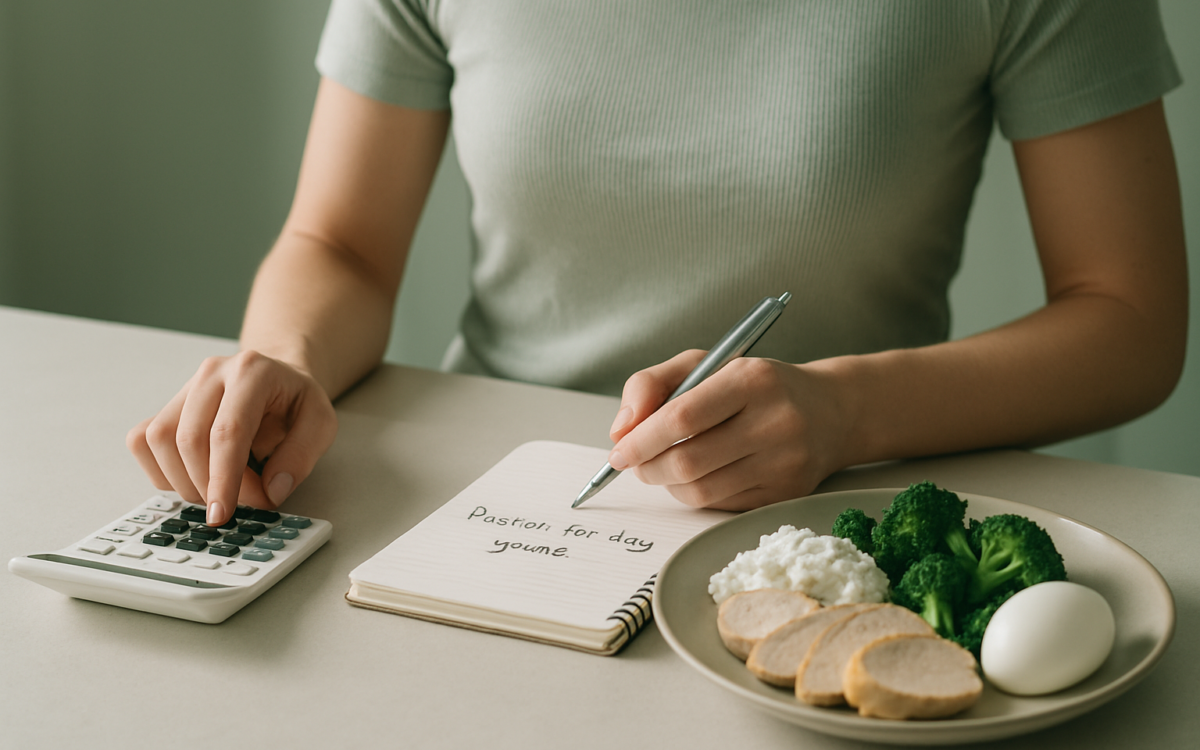
When it comes to nutrition, protein is one of the most important macronutrients our bodies need. For women, understanding how much protein to consume each day can help optimize health, energy, and overall well-being. Let’s dive into this topic, explore recommended protein intakes, and learn how to achieve your daily protein goals.
Why Is Protein Important?
Protein plays a crucial role in our bodies. It is essential for building and repairing tissues, producing enzymes and hormones, and maintaining a healthy immune system. Additionally, protein contributes to muscle health and can aid in weight management by helping you feel full and satisfied.
How Much Protein Do Women Need?
The amount of protein a woman needs can vary based on several factors, including age, activity level, and overall health. According to the National Institutes of Health (NIH), the Recommended Dietary Allowance (RDA) for protein is:
- 46 grams per day for women aged 19-70 years
- 50 grams per day for pregnant or breastfeeding women
These values serve as a baseline to ensure adequate protein intake for overall health. However, some women may require more if they are very active or are trying to build muscle.
Factors Influencing Protein Needs
Several factors can affect how much protein a woman should consume:
- Activity Level: Women who engage in regular physical activity or strength training may need more protein to support muscle repair and growth.
- Age: As women age, they may require more protein to help maintain muscle mass and overall metabolism.
- Health Goals: If you are aiming to lose weight, increase muscle mass, or recover from an illness, adjusting your protein intake can be beneficial.
- Life Stages: Pregnancy and breastfeeding increase a woman’s protein needs, as it is vital for fetal growth and lactation.
How to Calculate Your Protein Needs
To estimate your daily protein requirements, a common method is to multiply your body weight in kilograms by 0.8. Here’s how to do it:
- Convert your weight from pounds to kilograms by dividing by 2.2.
- Multiply your weight in kilograms by 0.8 to find your protein needs in grams.
For example, if you weigh 150 pounds (68 kilograms), your estimated protein intake would be:
68 kg x 0.8 = 54 grams of protein per day
Sources of Protein for Women
Incorporating a variety of protein sources into your diet is important for getting all the essential amino acids your body needs. Here are some excellent sources of protein:
- Animal-based sources: Eggs, dairy products, lean meats (like chicken, turkey, and fish), and yogurt.
- Plant-based sources: Beans, lentils, chickpeas, nuts, seeds, tofu, and quinoa.
- Protein supplements: For some women, protein powders can help meet daily needs, especially if they are on a restrictive diet or need a convenient option.
It’s important to choose high-quality protein sources and balance them with other nutrients to maintain a healthy diet.
Tips for Meeting Your Protein Goals
Here are some practical tips to help you reach your daily protein intake:
- Plan Your Meals: Include a source of protein in every meal and snack, such as yogurt for breakfast, a salad with chickpeas for lunch, and grilled chicken for dinner.
- Snack Smart: Choose snacks with protein, like nuts, cheese, or hard-boiled eggs.
- Cook at Home: Preparing meals at home allows you to control your ingredients and portion sizes, making it easier to include enough protein.
- Experiment with Recipes: Try new recipes that incorporate protein-rich foods, like smoothies, stir-fries, and casseroles.
When to See a Doctor
If you’re unsure about your protein needs, have dietary restrictions, or are experiencing unusual fatigue or weight loss, consider consulting a healthcare professional. They can provide personalized advice based on your health status and lifestyle.
For more information on nutrition guidelines, visit the World Health Organization or check resources from the Centers for Disease Control and Prevention.
In conclusion, protein is a vital part of a balanced diet, and understanding how much you need as a woman can help you make informed choices. Whether you’re aiming to stay healthy, build muscle, or meet specific health goals, there are plenty of ways to ensure you get enough protein each day.
