
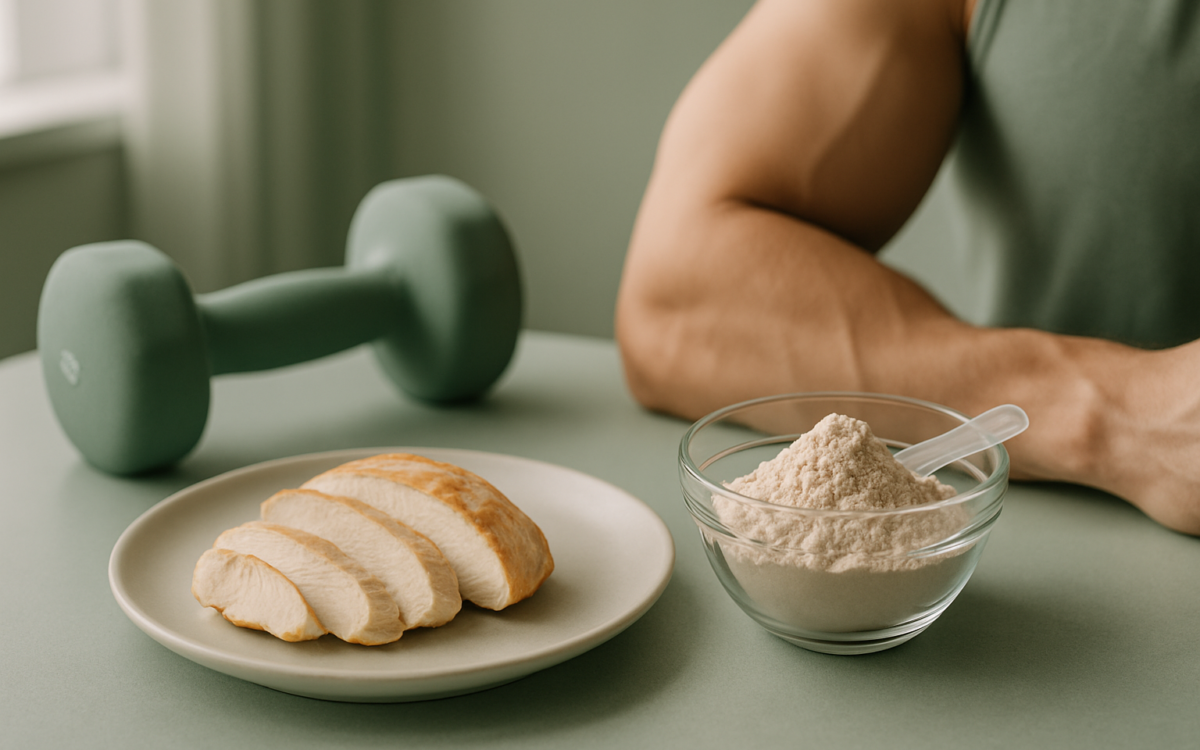
When embarking on a journey to build muscle, one of the most frequently asked questions is about protein intake. Protein is essential for repairing and building muscle tissues, but how much do you really need? This article will explore the guidelines for daily protein needs, addressing factors like activity level and age. By understanding these guidelines, you can optimize your diet for muscle gain while promoting overall health.
The Role of Protein in Muscle Building
Protein is one of the three main macronutrients your body requires, the others being carbohydrates and fats. It serves as the building block for muscle tissues and plays a crucial role in various bodily functions, including hormone regulation and immune response. When you engage in strength training or any form of resistance exercise, tiny tears occur in your muscle fibers. Consuming protein helps repair these tears, leading to muscle growth—a process known as muscle hypertrophy.
How Much Protein Do You Need?
The amount of protein one needs to build muscle can vary based on several factors, including age, sex, body weight, and activity level. For most people looking to gain muscle, a common recommendation is:
- Active Adults: Aim for 1.2 to 2.2 grams of protein per kilogram of body weight.
- Beginners: If you’re just starting, targeting around 1.6 grams per kilogram can be effective.
- Advanced Lifters: More seasoned athletes might require upwards of 2 grams per kilogram.
To put this into perspective, if you weigh 70 kg (154 lbs) and are looking to build muscle, your protein intake should be somewhere between 84 to 154 grams per day, depending on your activity level.
Factors Influencing Protein Needs
While general guidelines exist, individual protein requirements can differ based on various factors:
1. Workout Intensity
The type and intensity of your exercise routine greatly influence how much protein you need. Resistance training and high-intensity workouts can lead to greater muscle damage that requires more protein for repair.
2. Age
As you age, your body starts to lose muscle mass, a condition known as sarcopenia. Older adults may need more protein per kilogram of body weight than younger individuals to support muscle maintenance and repair.
3. Body Composition Goals
Your goals regarding body composition—whether you want to gain muscle, lose fat, or maintain weight—will also influence protein needs. If you’re focused on muscle gain, aim for the higher end of the protein intake spectrum.
Timing Your Protein Intake
When you consume protein is just as important as how much you consume. Studies suggest that spreading protein intake throughout the day can be more beneficial for muscle growth. Here are some tips to consider:
- Distribute protein intake evenly across meals—aim for 20 to 30 grams every 3-4 hours.
- Consume a protein-rich snack or meal within 30 minutes post-workout to enhance recovery.
- Include protein sources in every meal, focusing on complete proteins that contain all essential amino acids.
Sources of Protein
Incorporating a variety of protein sources can help you meet your daily needs. Here are some recommended options:
- Animal Sources: Chicken, turkey, fish, beef, eggs, and dairy products.
- Plant Sources: Lentils, beans, chickpeas, quinoa, tofu, and tempeh.
- Protein Supplements: Consider protein powders made from whey, casein, or plant-based sources if you’re struggling to meet your protein needs.
It’s important to choose high-quality, nutrient-dense sources of protein that also provide vitamins and minerals essential for overall health.
When to See a Doctor
If you’ve noticed changes in your muscle mass or strength, or if you feel unsure about how to adjust your protein intake, it may be time to consult with a healthcare professional. They can help assess your dietary habits and workout routine and offer personalized advice. Additionally, if you have conditions that may affect your nutritional needs, such as kidney disease, discussing your protein needs with a doctor is essential.
Conclusion
Determining how much protein you need to build muscle is crucial for achieving your fitness goals. By understanding the general guidelines and considering individual factors such as activity level, age, and body composition goals, you can tailor your diet to optimize muscle growth. Remember, a balanced diet alongside adequate exercise is key to overall wellness. As always, consulting with a healthcare provider or registered dietitian can provide personalized guidance in your muscle-building journey.
