
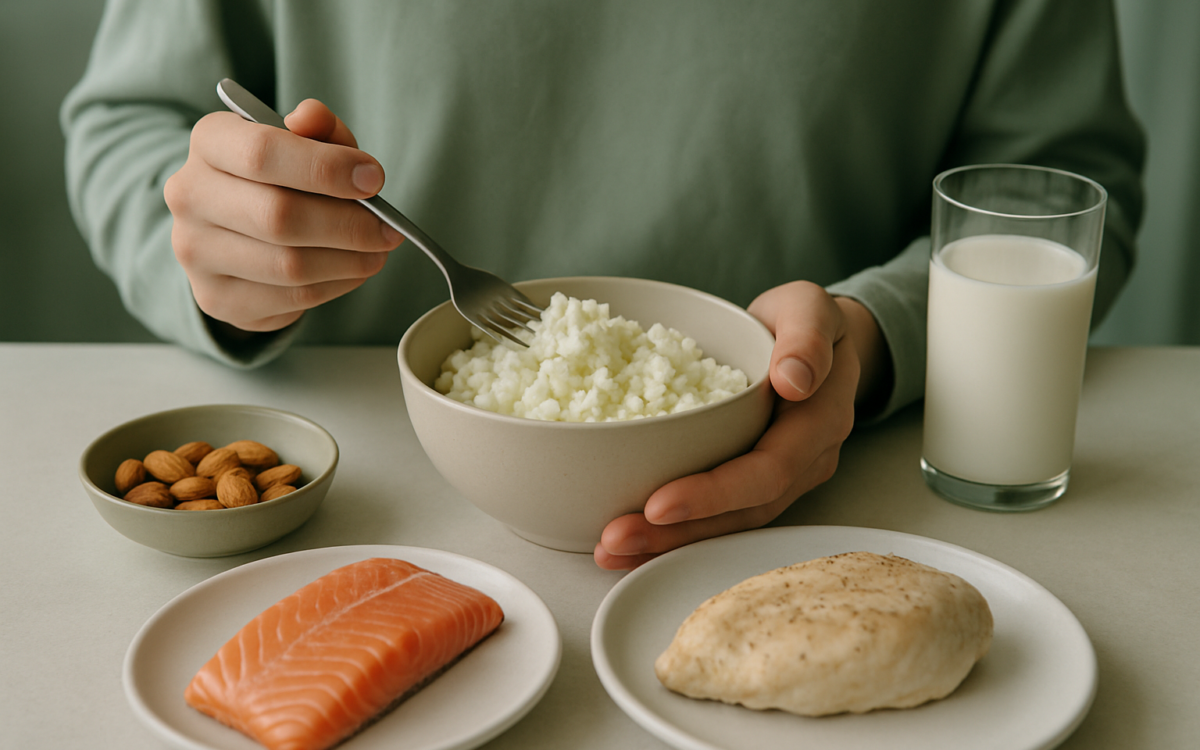
Protein is one of the essential building blocks of life. From supporting muscle growth to helping your body repair tissues, adequate protein intake is vital to your overall health. However, many people wonder, “How much protein should I get a day?” This question can be influenced by several factors, including age, activity level, and general health.
Understanding Protein and Its Importance
Protein plays a crucial role in numerous bodily functions. It is made up of amino acids, which are vital for various processes, including:
- Building and repairing tissues
- Producing enzymes and hormones
- Supporting immune function
- Transporting nutrients
With so many roles, ensuring you consume enough protein is essential for health and well-being.
How Much Protein Do You Need Daily?
The general recommendation for protein intake varies. Most experts suggest that adults should consume about 46 grams per day for women and 56 grams per day for men. These values come from the Recommended Dietary Allowance (RDA), which is set by health organizations to meet the nutritional needs of nearly all healthy individuals.
However, these numbers can change based on several factors:
Factors Affecting Your Protein Requirements
Age
As we age, our bodies may require more protein to maintain muscle mass and strength. Older adults often benefit from increased protein intake to help combat the natural decline in muscle tissue.
Activity Level
If you are physically active or an athlete, your protein needs may be higher. Those engaged in endurance sports may require about 1.2 to 1.4 grams of protein per kilogram of body weight, while strength training athletes might need about 1.6 to 2.2 grams per kilogram according to various studies (National Institutes of Health).
Health Conditions
Some health conditions may also affect protein needs. People recovering from surgery or illness might need additional protein to support healing and recovery. In such cases, consulting a healthcare provider is crucial to determine the right amount.
Different Sources of Protein
Protein can come from both animal and plant sources:
Animal Sources
- Meat (chicken, beef, pork)
- Fish and seafood
- Dairy (milk, yogurt, cheese)
- Eggs
Plant Sources
- Legumes (beans, lentils, chickpeas)
- Nuts and seeds
- Whole grains (quinoa, brown rice)
- Tofu and tempeh
Incorporating a variety of protein sources throughout your day ensures you get a good mix of essential amino acids. If you’re vegetarian or vegan, pay particular attention to your protein sources to ensure you’re meeting your daily needs.
Signs of Protein Deficiency
Not getting enough protein can lead to various health issues. Some signs may include:
- Weakness or fatigue
- Muscle loss
- Swelling in the legs and feet (due to fluid retention)
- Frequent infections
If you notice any of these symptoms and suspect a protein deficiency, consulting a healthcare professional is advisable.
When to See a Doctor
If you are unsure about your protein needs, experience symptoms of deficiency, or have specific health concerns, it’s essential to consult your healthcare provider. They can offer personalized advice based on your unique health situation, dietary preferences, and lifestyle factors.
Conclusion
Understanding how much protein you need each day can feel overwhelming, but with a basic grasp of the factors involved, it becomes manageable. Aim to balance your protein intake with other nutrients and listen to your body’s signals. With thoughtful choices, you can ensure you meet your protein needs and support your overall health.
