
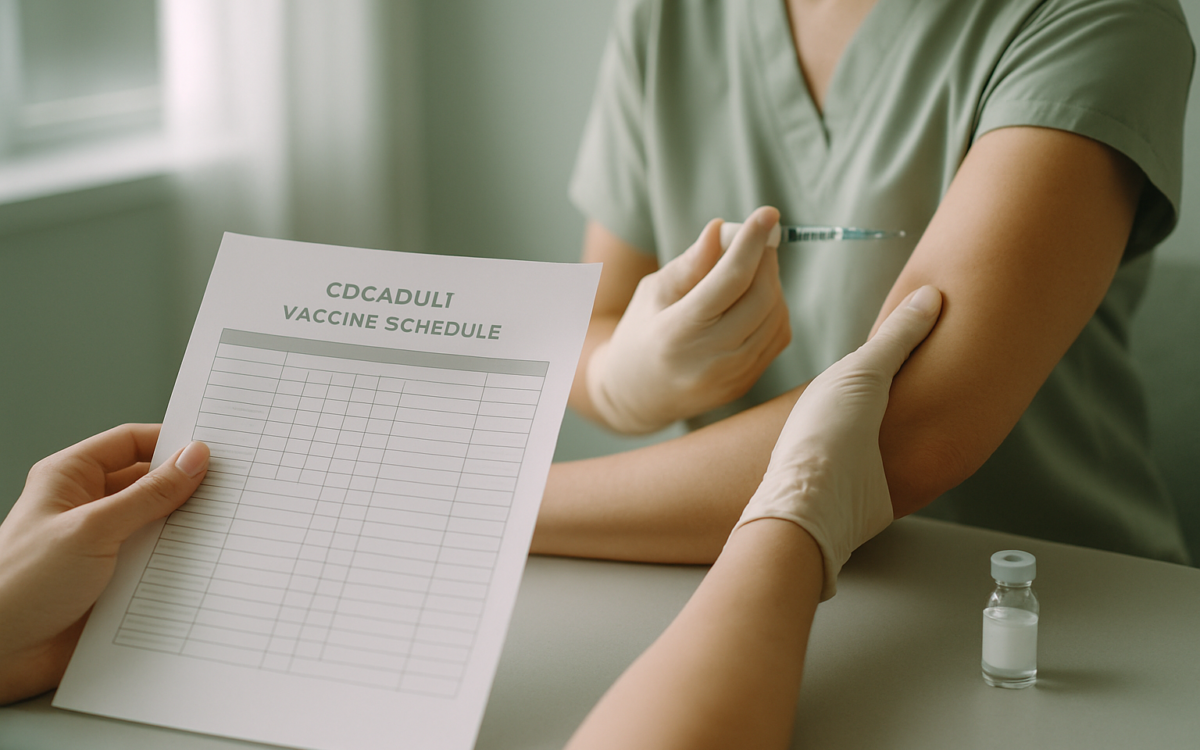
Vaccines play a vital role in preventing diseases, and staying updated on your vaccinations is crucial for your health. The CDC (Centers for Disease Control and Prevention) provides a comprehensive vaccine schedule specifically for adults, helping us all understand which vaccines we need throughout our lives. Let’s explore the important details about the CDC adult vaccine schedule, so you can take charge of your health.
Understanding the Basics of Adult Vaccines
Vaccines work by preparing your immune system to fight against specific pathogens, such as viruses or bacteria, before you come into contact with them. While many vaccines are commonly given during childhood, adults also need immunizations to maintain their health. Various factors, including age, lifestyle, health conditions, and travel plans, can influence which vaccines are recommended for you.
Key Vaccines Recommended for Adults
The CDC’s adult vaccine schedule includes several key vaccines that are essential for maintaining good health. Here is a breakdown of some important vaccines:
- Influenza (Flu) Vaccine: Recommended annually for all adults to protect against seasonal flu.
- Tetanus, Diphtheria, and Pertussis (Tdap) Vaccine: Adults should receive a Tdap booster every 10 years.
- Human Papillomavirus (HPV) Vaccine: Recommended for adults up to age 26, and may also be given to some adults aged 27-45.
- Zoster (Shingles) Vaccine: Recommended for adults aged 50 and older to reduce the risk of shingles.
- Pneumococcal Vaccines: Recommended for adults 65 and older, and for younger adults with certain risk factors.
- Meningococcal Vaccines: Especially important for college students living in dormitories or individuals with certain health conditions.
Assessing Your Personal Vaccine Needs
Each individual’s vaccination needs can vary based on several factors. Here are some considerations for determining which vaccines might be necessary for you:
Age Considerations
Your age can significantly influence which vaccines you may need. For example, adults past age 50 typically need the shingles vaccine, while younger adults might require different immunizations.
Your Health Status
Have a chronic condition like diabetes or heart disease? Certain vaccines might be more crucial for you. Adults with weakened immune systems also require specific vaccinations. Consulting with your healthcare provider can help you understand your personal needs.
Lifestyle and Travel
If you travel frequently, especially to areas where certain diseases are more prevalent, additional vaccines may be recommended. For example, adults heading to tropical regions may need the yellow fever vaccine.
Checking Your Vaccination History
Many adults are unaware of their vaccination history. Keeping track of what vaccines you’ve received can be helpful. You can often find this information in your medical records. If you’re unsure, ask your doctor, as they can help you obtain your vaccination history.
Additionally, a simple blood test can check for certain antibodies to help identify which vaccines may still be necessary based on your immune response.
Staying Up-to-Date with Vaccination Guidelines
The CDC continuously reviews and updates vaccination guidelines based on new research and health trends. To stay informed, regularly check the CDC website for the latest recommendations. Staying current can help you avoid diseases and protect those around you.
When to See a Doctor
If you’re unsure about your vaccination status or have health conditions that may affect vaccine recommendations, it’s important to consult a healthcare provider. They can assess your individual needs, remind you of which vaccines are due, and provide necessary immunizations. If you have any adverse reactions post-vaccination or if you have health concerns after receiving a vaccine, reach out to your doctor promptly.
Conclusion: Invest in Your Health
Understanding the CDC adult vaccine schedule is a critical step in taking charge of your health. By being proactive about vaccinations, you can protect yourself from potentially serious illnesses and contribute to public health efforts. Remember, vaccines are safe, effective, and an essential part of preventive care. Check in with your healthcare provider regularly to ensure you’re up-to-date on your vaccinations. With a little attention, you can ensure a healthier future for yourself and those around you.
