
Hepatitis B is a viral infection that can lead to serious health issues, including chronic liver disease and liver cancer. Fortunately, there’s an effective way to protect yourself and your loved ones from this virus: the hepatitis B immunization. Understanding how this vaccine works and its importance can empower you to make informed decisions for your health.
What is Hepatitis B?
Hepatitis B is an infectious disease caused by the hepatitis B virus (HBV). The virus primarily spreads through contact with the blood or other body fluids of an infected person. Common transmission routes include unprotected sex, sharing needles, and from mother to child during childbirth. Hepatitis B can cause both acute and chronic infections, with chronic infections potentially leading to severe liver conditions.
The Importance of Hep B Immunization
The hepatitis B vaccine is one of the safest and most effective ways to prevent infection. Vaccination not only protects you but also helps reduce the risk of transmission in the community. According to the CDC, widespread vaccination has significantly decreased the number of new infections worldwide.
Who Should Get Vaccinated?
The hepatitis B vaccine is recommended for all infants at birth, and a complete vaccination schedule includes three doses given over six months. However, certain groups are especially encouraged to receive the vaccine:
- People at high risk of exposure, such as healthcare workers.
- Individuals engaging in unprotected sex with multiple partners.
- People who inject drugs or share needles.
- Those with chronic liver disease or HIV.
- Travelers to regions with a high prevalence of hepatitis B.
Vaccination Schedule and Process
The vaccination series consists of three doses:
- First dose: at birth or as soon as possible thereafter.
- Second dose: at least one month after the first dose.
- Third dose: at least two months after the second dose and at least four months after the first dose.
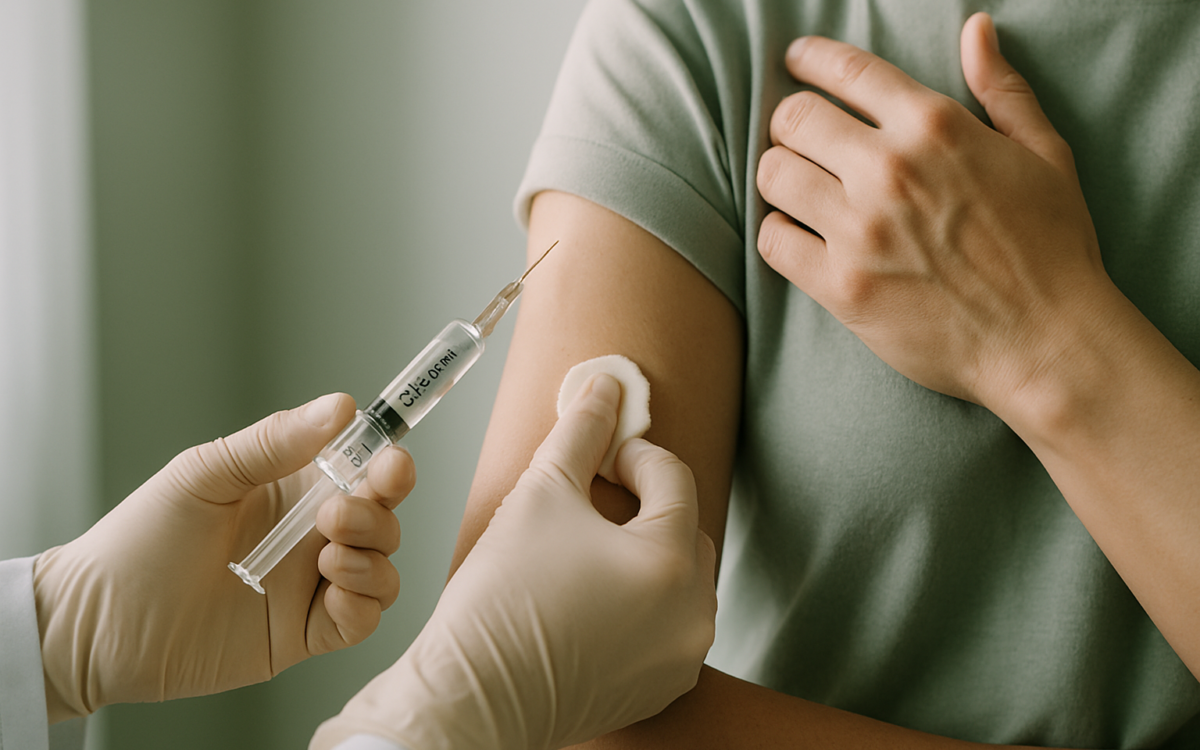
The vaccine is administered into the muscle, typically in the arm for adults and the thigh for infants. It is important to complete the series for maximum protection. The vaccine is highly effective, generating protective antibodies in about 90%-95% of people who receive it.
Possible Side Effects
Like any vaccine, the hepatitis B immunization can have side effects. Most individuals experience mild effects, such as:
- Soreness at the injection site
- Low-grade fever
- Tiredness
Severe allergic reactions are rare. If you experience unusual symptoms after receiving the vaccine or have concerns, it’s essential to consult a healthcare professional.
Staying Informed and Protected
Even after vaccination, it’s important to engage in preventive behaviors. While the hepatitis B vaccine is highly effective, it does not provide complete protection against other sexually transmitted infections or bloodborne pathogens. Practices such as using condoms and avoiding sharing needles play a crucial role in maintaining your health. Regular screenings may also be advised if you are part of a high-risk group.
Future Vaccination Developments
Research is ongoing to further improve hepatitis B vaccinations and explore new technologies. Some of these developments may include alternative delivery methods and combination vaccines that offer protection against multiple diseases.
When to See a Doctor
If you suspect you have been exposed to hepatitis B or if you have questions about your vaccination status, consult a healthcare professional. Early diagnosis and treatment are vital in managing potential infections. If you experience symptoms such as jaundice (yellowing of the skin or eyes), extreme fatigue, or abdominal pain, seek medical attention swiftly.
In conclusion, hepatitis B immunization is a crucial step in preventing liver disease and protecting public health. Understanding the vaccination process, its benefits, and safe practices can empower you to make informed health decisions. Stay proactive about your health by discussing vaccination options with your healthcare provider!
