
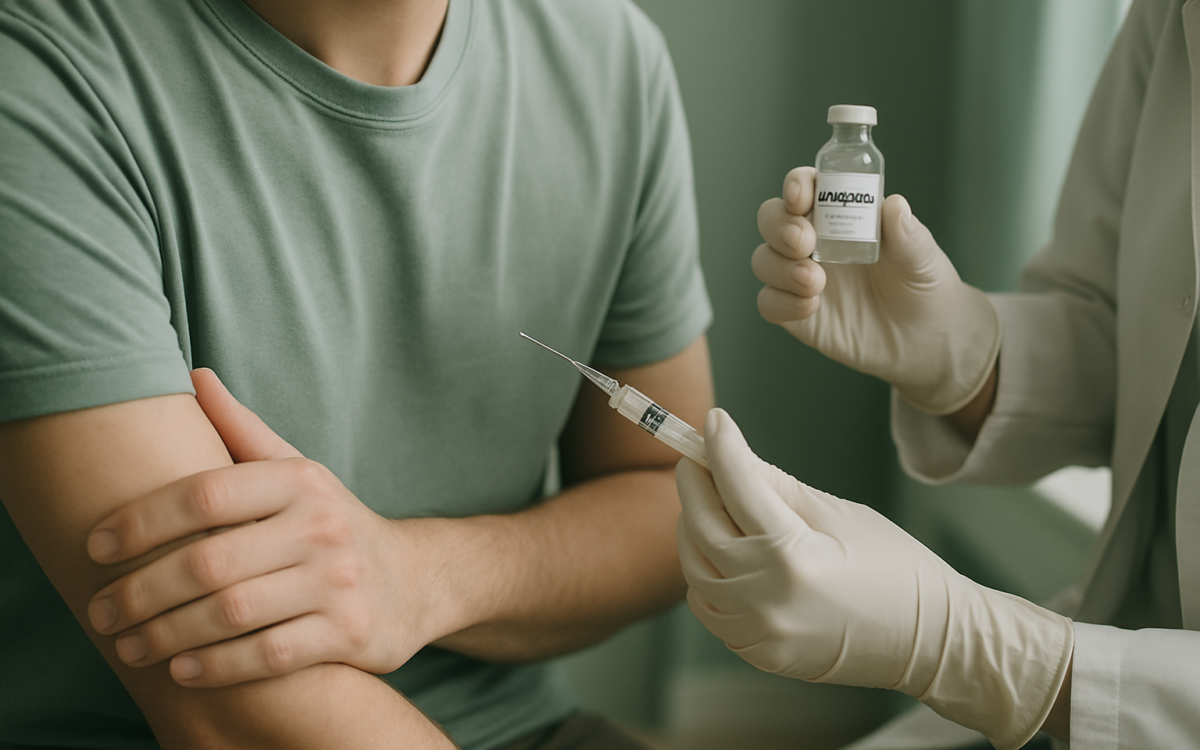
Measles is a highly contagious viral infection that can lead to serious complications, even in adults. While many of us may associate childhood vaccinations with diseases like measles, the reality is that adults can also benefit significantly from the measles jab. Not only does the vaccination help protect individual health, but it also plays a crucial role in maintaining community immunity. In this article, we will explore the importance of the measles jab for adults, examine who should consider getting vaccinated, and discuss the implications of vaccination on public health.
What is the measles jab?
The measles jab, often administered as part of the MMR vaccine (measles, mumps, and rubella), is designed to create immunity against measles. According to the Centers for Disease Control and Prevention (CDC), the vaccine is highly effective, with about 97% of people becoming immune after two doses. While many people receive their MMR vaccination during childhood, some adults may have missed it, creating a gap in their immunity.
Why should adults consider vaccination?
For adults, the measles jab can be crucial for several reasons:
- Increased Risk of Outbreaks: In recent years, there have been notable measles outbreaks in various regions, often linked to low vaccination rates. Adults who are unvaccinated or only partially vaccinated are at higher risk.
- Travel: Many countries still experience high rates of measles. Unvaccinated adults traveling to these areas could be at risk of contracting the virus.
- Community Protection: Vaccination contributes to herd immunity, which protects those who cannot be vaccinated, such as infants and individuals with certain medical conditions. The more people who are immune, the less chance the virus has to spread.
- Health Risks: While measles is often thought of as a childhood illness, complications can be severe in adults. Pneumonia, encephalitis, and even death can occur due to measles infection. Vaccination significantly reduces these risks.
Who should get the measles jab?
Determining who should receive the measles jab involves understanding individual health histories and potential risk factors. Here are some groups of adults who should consider vaccination:
- Adults Born after 1957: Individuals born after this year may not have sufficient vaccination coverage.
- College Students: Many universities require proof of immunization for enrollment.
- Healthcare Workers: Those working in medical settings are often at higher risk of exposure and should be vaccinated.
- Travelers: Adults planning to travel internationally should check their vaccination status and get vaccinated at least four weeks before traveling.
- Anyone Living in Areas with Low Immunization Rates: If you reside in or frequently visit communities where vaccination rates are low, getting the measles jab is strongly advised.
What are the potential side effects?
Like any vaccine, the measles jab can cause side effects, but most are mild and temporary. Common reactions include:
- Soreness at the injection site
- Fever
- Mild rash
- Fatigue
- Swollen glands
Serious side effects are extremely rare but can include allergic reactions. It is recommended to discuss any concerns with a healthcare provider prior to vaccination.
Myths and misconceptions about measles vaccination
Despite the benefits of the measles jab, misconceptions persist that may discourage adults from getting vaccinated. Here are a few common myths:
- Measles is just a mild disease: While some people recover without complications, measles can lead to serious health issues, including hospitalization and death.
- Vaccines cause autism: Extensive research has shown no causal link between measles vaccinations and autism. The original study suggesting this link has been discredited.
- Adults don’t need vaccination: Immunity may wane over time, especially for those who received the vaccine as children. It’s pivotal to stay informed about your vaccination status.
Understanding and addressing these myths can help improve vaccination rates and, by extension, public health.
When to see a doctor
If you suspect you may need a measles vaccination or if you have questions about your immunization history, consult your healthcare provider. Additionally, if you experience severe side effects post-vaccination or develop symptoms of measles, such as high fever, cough, runny nose, or a rash, seek medical advice promptly.
Conclusion
The measles jab for adults is a critical step in protecting both your health and that of the community. As outbreaks occur, remaining vigilant about vaccination can help prevent the spread of this contagious disease. By getting vaccinated, you contribute to the broader goal of public health safety, fostering community immunity and minimizing risks associated with measles. Always consult your healthcare provider for personalized advice regarding vaccinations and your specific health needs.
