
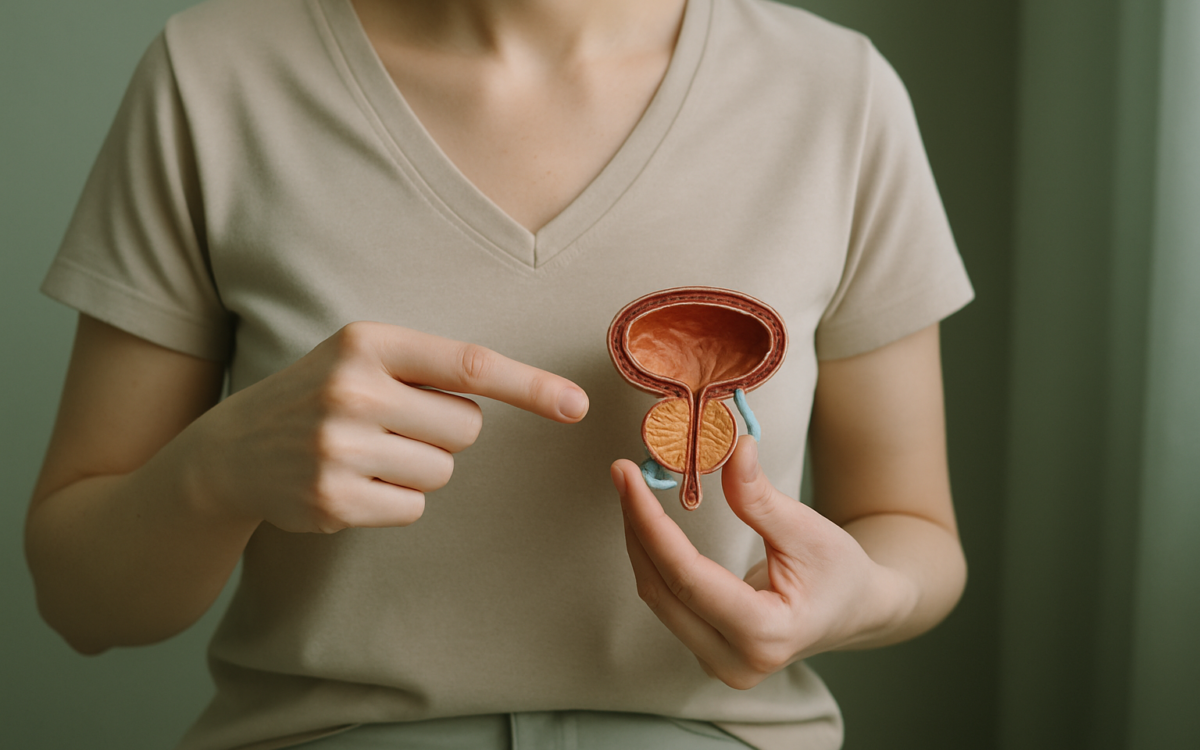
The human body is full of surprises, especially when it comes to anatomy. One topic that often raises eyebrows is the existence of the prostate in females. Many people may think of the prostate as a male-specific gland, but women, too, have a comparable structure known as the Skene’s glands. Understanding these glands and their roles can shine a light on female health and anatomy, and help in recognizing the importance of pelvic health.
What is the female prostate?
The term ‘female prostate’ commonly refers to the Skene’s glands, which are located near the urethra. These tiny glands are sometimes called the paraurethral glands and are often seen as the female equivalent of the male prostate. They play a significant role in female sexual health and urinary function.
Location and anatomy of Skene’s glands
Skene’s glands are situated on the anterior wall of the vagina, around the urethral opening. Although they are small—about the size of a pea—they can have a noticeable impact on female health. Each woman has a pair of these glands, and they are part of the complex anatomy of the female reproductive system.
The function of Skene’s glands
The primary role of Skene’s glands is to produce a fluid that helps lubricate the urethra and may play a role in female ejaculation. This fluid is distinct from vaginal secretions and can contribute to comfort during sexual intercourse. Some studies suggest that the fluid may have antimicrobial properties, which can further support urinary tract health.
Health implications
Like any other part of the body, the Skene’s glands can also be affected by health conditions. Although not as widely discussed, conditions like Skene’s gland cysts or infections can occur. Symptoms might include pain or discomfort during urination or sexual activity. It is essential to monitor any unusual symptoms and consult a healthcare provider if concerns arise.
Public awareness and education
One significant challenge is the general lack of awareness about the existence and function of the Skene’s glands. Education about this aspect of female anatomy can lead to improved health outcomes. Women who are informed can better discuss their experiences and health concerns with their healthcare providers.
Research and future directions
The study of female anatomy, including the Skene’s glands, is still evolving. Current research is investigating their functions and how they may relate to female sexual health and urinary functions. For instance, understanding the relationship between these glands and various medical conditions can help improve treatment options. As awareness grows, it is vital to keep the conversation alive, ensuring that women’s health issues are adequately addressed. For more detailed studies, you can check resources like the NIH and WHO.
When to see a doctor
If you experience unusual symptoms such as persistent pain in the pelvic area, frequent urination, or changes in sexual function, it may be time to consult a healthcare professional. Early diagnosis can be key in preventing more serious health issues down the line.
Understanding anatomy, including the existence of the Skene’s glands, is essential to women’s health. By demystifying these structures, we can promote better health awareness and enhance healthcare discussions.
