
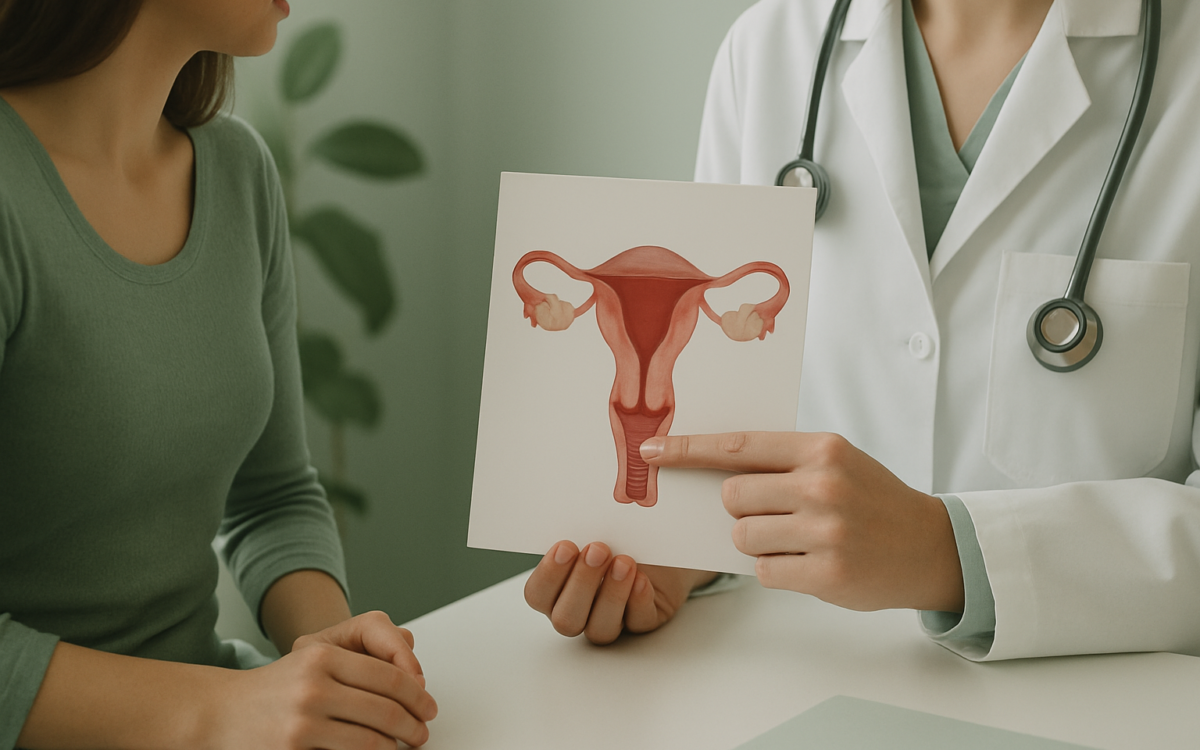
The prostate is a gland that plays a significant role in male reproductive health. As discussions around gender and anatomy become more comprehensive, many people wonder if girls or women have a prostate. This article aims to clarify the presence of prostate-like structures in various anatomical contexts and provide insights into understanding these differences.
What is the Prostate?
The prostate is a small gland located below the bladder in males. Its primary function is to produce seminal fluid, which nourishes and transports sperm. The prostate is also involved in the urinary system, helping to control urine flow. Although traditionally viewed as a male organ, understanding its presence in other anatomical configurations is vital for inclusive health discussions.
Do Girls Have a Prostate?
In biological terms, girls do not have a prostate gland. The prostate is a male-specific anatomical structure derived from the same embryonic tissue as the female reproductive system but differentiates significantly in males. However, recent discussions in gender studies and health advocate for understanding anatomical variations in individuals who identify as female or transgender. For instance, transgender men may undergo surgical procedures involving prostate tissue, which can affect their health outcomes.
Prostate-like Structures in Females
While females do not have a prostate, some studies indicate the existence of prostate-like structures, sometimes referred to as the Skene’s glands or paraurethral glands. These small glands are located near the urethra and contribute to female sexual function by producing secretions during arousal. Understanding these glands’ roles expands the dialogue about gender anatomy and challenges traditional views. Some researchers suggest that these glands might have functions similar to the male prostate, prompting increased interest in their health implications.
Gender Diversity and Prostate Health
The conversation around prostate health is increasingly important as society recognizes and respects diverse gender identities. For transgender individuals, particularly trans men or non-binary people assigned female at birth, awareness of prostate health becomes crucial if they retain any prostate-related tissues or undergo specific medical treatments. Resources like acibademinternational.com provide valuable insights into healthcare options concerning gender-diverse individuals and prostate health.
Prostate Health Awareness
Prostate health is a significant concern for individuals assigned male at birth. Common issues include prostatitis (inflammation of the prostate), benign prostatic hyperplasia (BPH), and prostate cancer. Symptoms may include pain during urination, difficulty urinating, or blood in the urine. Awareness and regular health check-ups are essential to ensure timely diagnosis and treatment of prostate-related conditions.
How to Prepare for Prostate Health Discussions
When preparing to discuss prostate health, especially regarding diverse populations, consider the following tips:
- Understand terminology: Familiarize yourself with terms used in discussions about anatomy, including the involvement of prostate-like structures in females.
- Engage with qualified professionals: Seek healthcare providers knowledgeable about gender diversity and reproductive health.
- Stay informed: Read reputable health resources to understand any new findings related to prostate health and anatomy.
When to See a Doctor
Anyone experiencing unusual symptoms related to urinary or reproductive health should consult a healthcare professional. This includes persistent pain, difficulty urinating, or changes in urinary habits. Additionally, anyone engaging in discussions around anatomical health, particularly gender-diverse individuals, should seek tailored advice that considers medical history and individual circumstances.
In conclusion, while girls do not have a prostate gland in the traditional sense, understanding anatomy and structures like the Skene’s glands helps illuminate the complexity of gender and health. As awareness grows, discussions around prostate health will hopefully include the needs and experiences of all individuals.
