
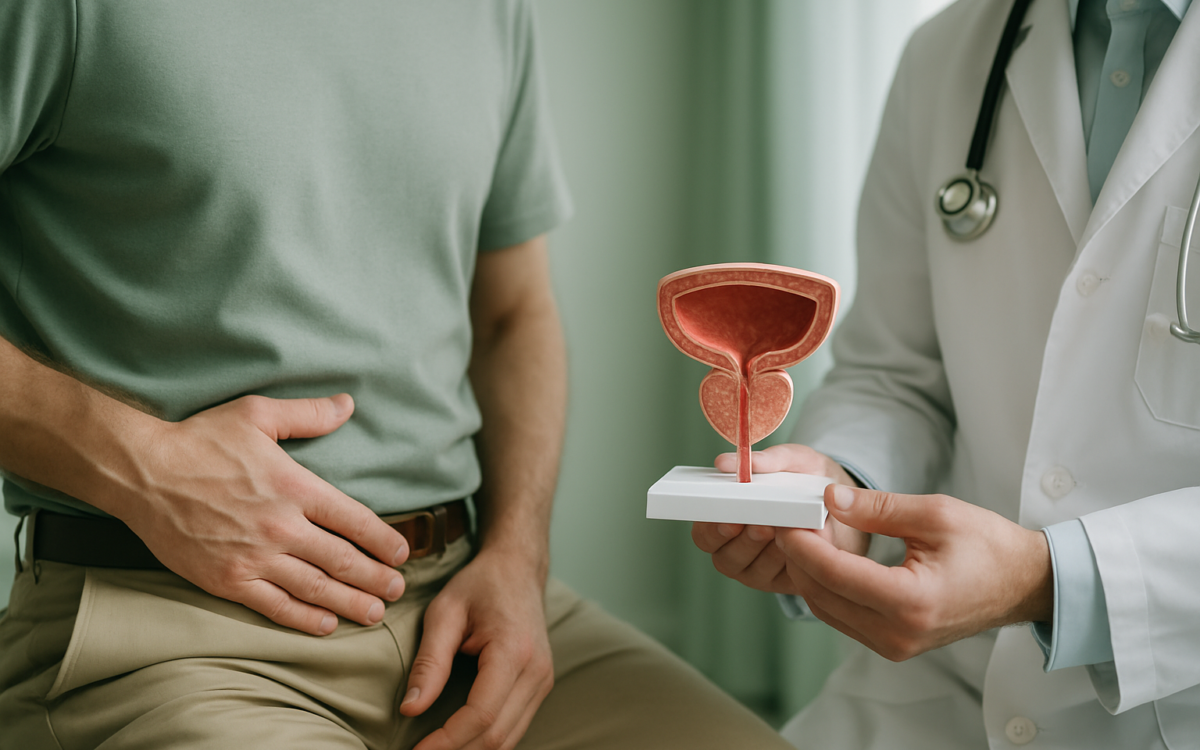
For many men, the prostate is a term that often comes up in discussions about health, especially as they age. But how much do you really know about this small gland? Its location, function, and related health issues are vital to understanding male anatomy and overall wellness. Let’s explore the prostate, its significance, and why it’s important to keep an eye on your prostate health.
What is the prostate and where is it located?
The prostate is a small walnut-sized gland located just below the bladder and in front of the rectum. It surrounds part of the urethra, which is the tube that carries urine from the bladder out of the body. This gland plays a critical role in the production of seminal fluid, which nourishes and transports sperm. Understanding the prostate’s location is essential for recognizing the potential health issues that can arise in this area.
The role of the prostate in men’s health
The primary function of the prostate is to produce prostate fluid, a key component of semen. About 30% of semen is made up of this fluid, which helps protect and energize sperm during ejaculation. Additionally, the prostate contributes to other functions, such as:
- Hormonal regulation: The prostate is influenced by hormones, particularly testosterone and dihydrotestosterone (DHT), which affect its growth and function.
- Urinary function: By surrounding the urethra, the prostate also plays a role in urinary control, although its primary function is reproductive.
Common prostate issues that may arise
As men age, they may face various prostate-related health concerns, including:
1. Benign Prostatic Hyperplasia (BPH)
This condition involves the enlargement of the prostate gland, which can lead to urinary difficulties. Symptoms may include a weak urine stream, frequent urination, and difficulty starting or stopping urination. BPH is common in older men and is not cancerous.
2. Prostatitis
Prostatitis is the inflammation of the prostate gland, often resulting in pain and discomfort. It can occur at any age and may be caused by infections or other factors. Symptoms include pelvic pain, frequent urination, and painful ejaculation.
3. Prostate cancer
This is one of the most common types of cancer in men. The exact cause of prostate cancer is not completely understood, but risk factors include age, family history, and ethnicity. Early-stage prostate cancer may not cause noticeable symptoms, which is why regular screening is important.
How to maintain prostate health
Maintaining a healthy prostate involves several lifestyle choices and habits. Some useful tips include:
- Regular exercise: Engaging in physical activity can help maintain a healthy weight, which may reduce the risk of prostate problems.
- Healthy diet: A diet rich in fruits, vegetables, whole grains, and healthy fats has been associated with prostate health. Foods rich in antioxidants, like tomatoes (which contain lycopene), may also be beneficial.
- Regular check-ups: Consult your doctor about regular screenings for prostate health, especially if you are over 50 or have a family history of prostate issues.
Understanding prostate screening
When it comes to prostate health, screening is crucial, especially for men over the age of 50. There are two main types of screenings:
- Digital rectal exam (DRE): A healthcare provider will manually check the size and shape of the prostate through the rectal wall.
- Prostate-specific antigen (PSA) test: This blood test measures the level of PSA, a substance produced by the prostate. Elevated levels may indicate prostate issues, including cancer.
Discuss with your doctor when to start screenings and how often they should be done based on your risk factors.
When to see a doctor
It’s essential to be aware of any changes in your health that may indicate a potential issue with your prostate. You should schedule a visit with your doctor if you experience:
- Frequent urination, especially at night
- Pain or burning during urination
- Weak or interrupted urine stream
- Painful ejaculation
- Blood in urine or semen
These symptoms can be indicative of benign conditions or more serious health issues, including prostate cancer. Early intervention is key in managing prostate health effectively.
Conclusion
The prostate is a small but significant gland in men’s health, playing essential roles in both reproductive and urinary functions. Knowing the prostate’s location and understanding the common health concerns associated with it can empower men to take charge of their health. If you notice any changes or symptoms that concern you, don’t hesitate to reach out to your healthcare provider for guidance and screening options.
For further information, consult reputable sources like the National Heart, Lung, and Blood Institute or the Centers for Disease Control and Prevention.
