
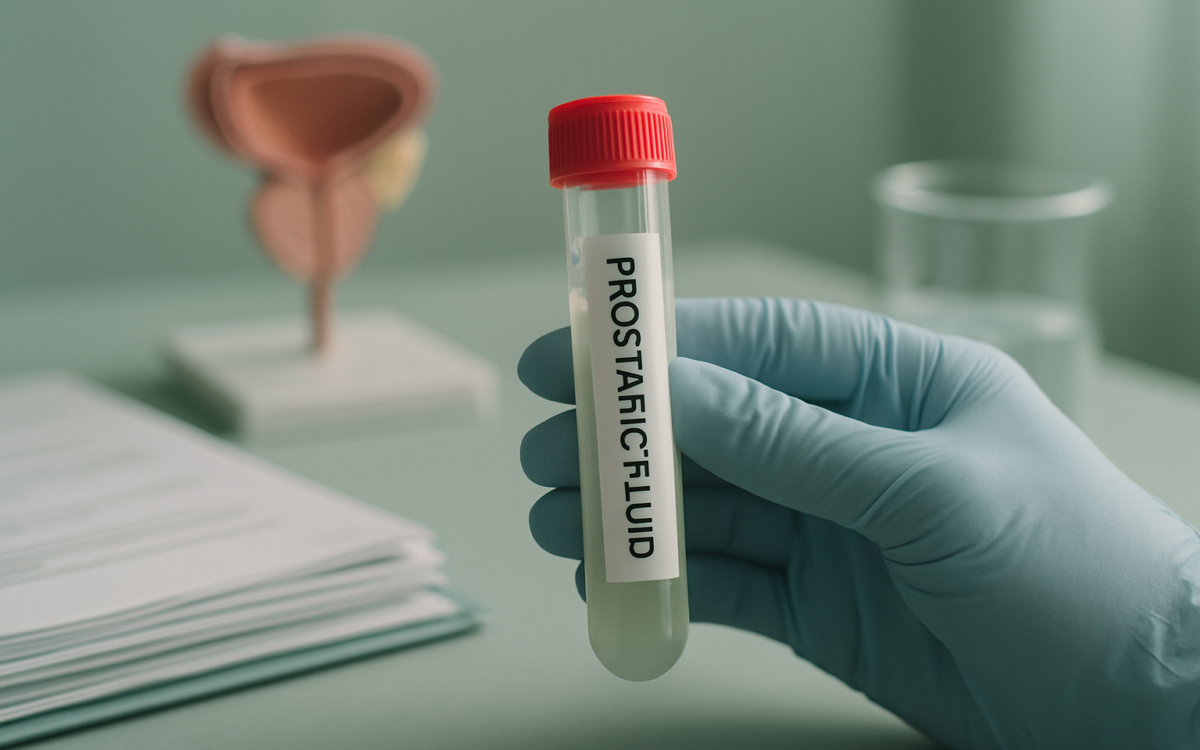
Prostatic fluid may not be a term you hear often, but it plays an essential role in male reproductive health. This fluid, produced by the prostate gland, is a significant component of semen and has many important functions in the body. In this article, we will delve into what prostatic fluid is, its role in reproduction, common issues associated with it, and when to seek medical advice.
What is Prostatic Fluid?
Prostatic fluid is a transparent or milky fluid secreted by the prostate gland, which is located below the bladder and surrounds the urethra. This fluid constitutes up to 30% of the total volume of semen. It contains enzymes, proteins, and various compounds that enrich the sperm and aid in its motility and overall viability.
The Role of Prostatic Fluid in Reproduction
Prostatic fluid serves several crucial functions in reproduction:
- Nutrition: It provides essential nutrients to sperm, helping to maintain their health and energy.
- Protection: The fluid contains substances that help protect sperm from the acidic environment of the female reproductive tract, enhancing the chances of successful fertilization.
- Motility: It aids in the movement of sperm, facilitating their journey through the reproductive system.
Understanding the role of prostatic fluid can help men appreciate its importance in the reproductive process, especially when considering fertility and overall health.
Common Issues Related to Prostatic Fluid
While prostatic fluid is vital, various issues can arise that may impact its production or function:
Prostatitis
Prostatitis is an inflammation of the prostate gland, which can lead to painful symptoms and affect the quality of prostatic fluid. This condition may be caused by a bacterial infection or other factors. Symptoms can include pelvic pain, urinary difficulty, and painful ejaculation.
Benign Prostatic Hyperplasia (BPH)
BPH is a non-cancerous enlargement of the prostate gland that can impact the flow of urine and potentially affect the quality of prostatic fluid. While it doesn’t usually lead to severe complications, it can lead to discomfort and inconvenience.
Prostate Cancer
Prostate cancer is a more severe condition that may affect prostatic fluid production. Early detection is critical for successful treatment, so being aware of any changes in urinary habits or pelvic discomfort is important.
How Is Prostatic Fluid Evaluated?
Healthcare providers can evaluate prostatic fluid as part of diagnosing various prostate conditions. A prostate examination may include:
- Digital Rectal Exam (DRE): A physical examination where a doctor checks the prostate gland for abnormalities.
- Prostate-Specific Antigen (PSA) Test: A blood test that measures levels of PSA, which can be elevated in men with prostate issues.
- Semen Analysis: This test may also be conducted to assess sperm health and motility, providing insights into the quality of prostatic fluid.
These evaluations help healthcare providers determine the underlying causes of any issues and how best to proceed with treatment.
Maintaining Prostate Health
Maintaining prostate health is essential for overall well-being. Here are some lifestyle tips that may contribute to a healthy prostate:
- Balanced Diet: A diet rich in fruits, vegetables, whole grains, and healthy fats may support prostate health.
- Regular Exercise: Physical activity can help maintain a healthy weight and reduce the risk of prostate issues.
- Stay Hydrated: Adequate water intake is important for urinary and overall health.
- Regular Check-ups: Routine medical check-ups can aid in the early detection of potential prostate problems.
Consulting with a healthcare provider about any dietary or lifestyle changes is always a good option.
When to See a Doctor
While many men may not think about their prostatic fluid regularly, there are certain signs that should prompt a visit to a healthcare provider:
- Persistent pelvic or lower back pain
- Difficulty urinating or a change in urinary patterns
- Painful ejaculation
- Presence of blood in urine or semen
If you experience any of these symptoms, it’s important to consult a healthcare professional for a thorough evaluation.
In conclusion, understanding prostatic fluid and its role in male reproductive health is essential for promoting overall well-being. Being aware of potential issues and maintaining regular check-ups can help ensure that any concerns are addressed promptly. Stay informed and proactive about your prostate health for a better quality of life.
