
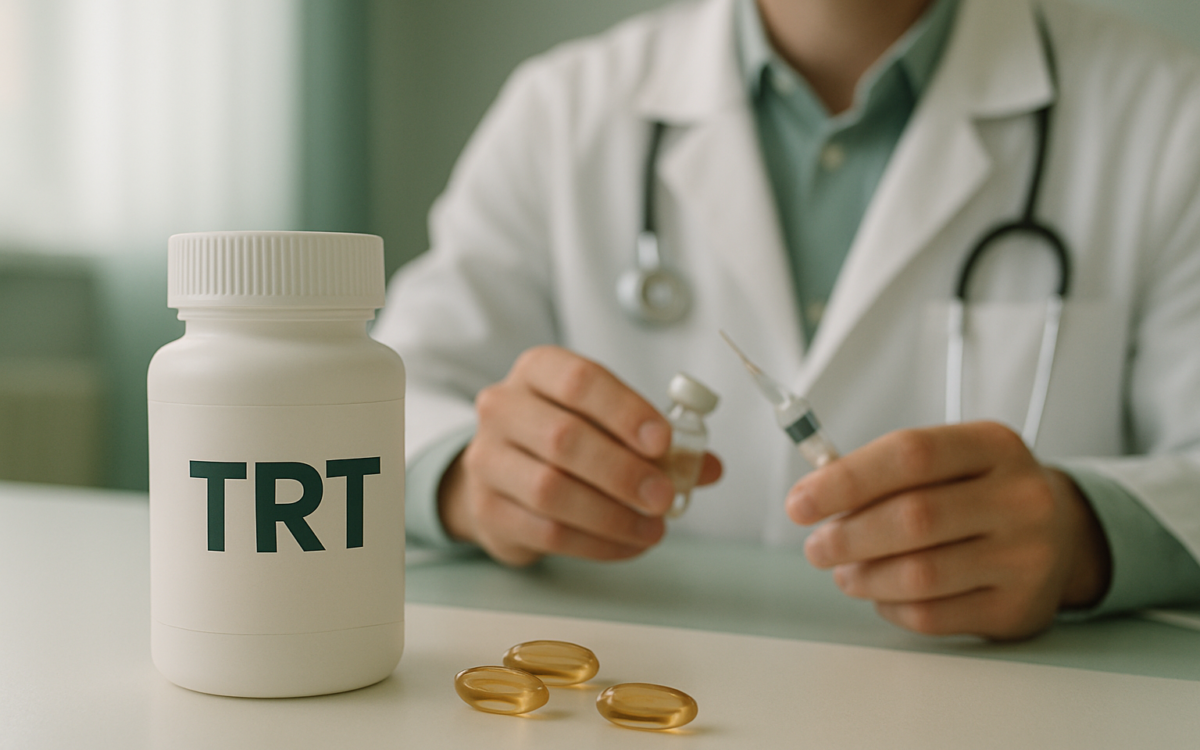
Many men experience a natural decline in testosterone levels as they age. This reduction can lead to a variety of health issues, including fatigue, reduced libido, and mood changes. To counter these effects, some men are turning to testosterone replacement therapy (TRT) supplements. This article unpacks what TRT supplements are, their benefits, potential risks, and how to navigate this evolving landscape.
What Are TRT Supplements?
TRT supplements are products intended to help restore testosterone levels in the body. They come in various forms, including pills, patches, gels, and even injections. Most are designed to either provide testosterone directly or support the body’s natural testosterone production.
Common types of TRT supplements include:
- Bioidentical Hormones: These are chemically identical to the hormones produced by your body.
- Herbal Supplements: Ingredients like fenugreek, ashwagandha, and DHEA (dehydroepiandrosterone) are believed to promote testosterone production.
- Testosterone Boosters: Some supplements claim to boost testosterone naturally, often using a combination of vitamins and minerals.
Benefits of Using TRT Supplements
Many men who consider TRT supplements do so for specific reasons. Research shows that maintaining healthier testosterone levels can lead to:
- Increased Energy: Many report feeling more energized and less fatigued after starting TRT.
- Improved Mood: Some studies have indicated that testosterone therapy can help improve mood and overall emotional well-being.
- Enhanced Libido: A rise in testosterone levels may lead to improved sexual desire and function.
- Better Muscle Mass: Testosterone plays a crucial role in muscle hypertrophy, leading many to seek out TRT for strength and fitness gains.
Potential Risks and Considerations
Before diving into TRT supplements, it’s crucial to consider the possible risks involved. While many benefits accompany testosterone therapy, there are also side effects:
- Cardiovascular Issues: Some research suggests a potential link between TRT and heart problems, particularly in older individuals.
- Men’s Health Risks: High testosterone levels could exacerbate conditions like prostate enlargement or cancer.
- Sleep Apnea: Testosterone therapy might worsen this sleep disorder in some individuals.
It’s important to have an open discussion with a healthcare provider to weigh these risks against the potential benefits of TRT supplements.
Understanding the Science Behind TRT Supplements
Many men are curious about the science behind TRT supplements. Clinical studies support some benefits of TRT but often focus on hormonal treatments directly prescribed by doctors rather than over-the-counter supplements.
For example, the National Institutes of Health has explored how testosterone therapy can improve quality of life. However, not all supplements are created equal; their efficacy can vary based on formulation, dosage, and individual response. Peer-reviewed literature stresses the importance of obtaining testosterone levels through tests rather than self-diagnosing based on symptoms alone (NIH).
Also, emerging research is considering how international treatment methods vary. For instance, clinics such as acibademinternational.com offer global perspectives on TRT, providing insights into how treatment methodologies differ across cultures and health systems.
Alternatives to TRT Supplements
If you’re hesitant about TRT supplements, you might explore various alternatives that promote healthy testosterone levels naturally:
- Regular Exercise: Engaging in strength training can naturally enhance testosterone production.
- Healthy Diet: A balanced diet rich in vitamins, minerals, and healthy fats supports hormone health.
- Sufficient Sleep: Quality sleep plays a significant role in hormone regulation, including testosterone.
Before considering any supplement or lifestyle change, it’s best to consult your doctor or a qualified health professional to develop a personalized plan.
When to See a Doctor
If you suspect you have low testosterone levels due to symptoms such as persistent fatigue, low libido, or mood swings, consider speaking with a healthcare professional. Blood tests can determine your testosterone levels, and your doctor can guide you through potential treatment options, including TRT supplements.
Conclusion
TRT supplements can offer potential benefits to those experiencing low testosterone levels, but they also come with critical considerations. Always engage with a healthcare professional before starting any treatment plan, as individual health needs can vary widely. The journey to optimal health is personal, and informed decisions are always the best approach.
