
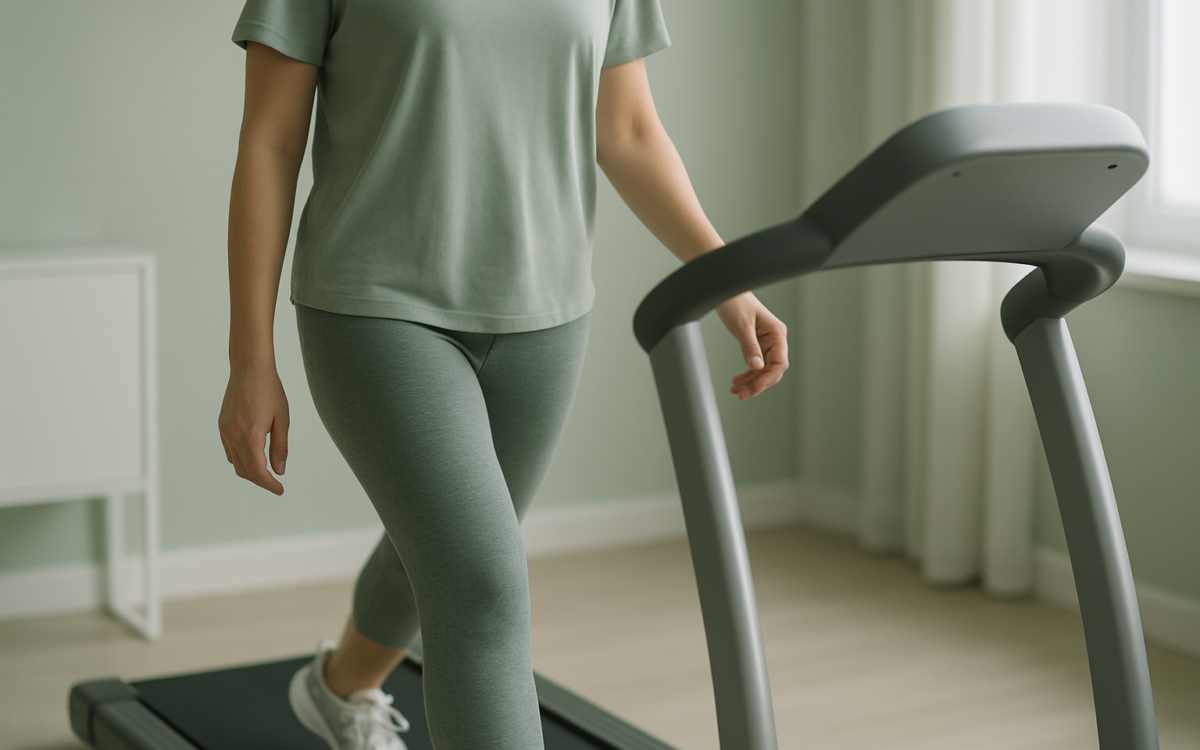
Walking is one of the simplest forms of exercise, yet it often gets overlooked when we discuss weight loss strategies. Many people wonder, “How long should I walk to lose weight?” The answer isn’t one-size-fits-all, as it depends on multiple factors like your weight, intensity of walking, and overall activity level. Let’s explore how walking can aid your weight loss journey and the optimal duration to achieve your goals.
The Basics of Walking for Weight Loss
Walking is a low-impact, accessible exercise that provides numerous health benefits, including improved cardiovascular health and reduced stress. According to the CDC, regular physical activity, like walking, can help maintain a healthy weight, but how much should you aim for?
Finding Your Ideal Walking Duration
The key to weight loss through walking is consistency and duration. The American College of Sports Medicine recommends aiming for at least 150 minutes of moderate-intensity aerobic activity per week for health benefits and weight management. This translates roughly to:
- 30 minutes of walking five days a week.
- For quicker weight loss, you might consider increasing your activity to 300 minutes per week.
In practice, this could mean walking for about an hour, five days a week. Adjust this based on your fitness level and schedule. The more you walk, the more calories you burn!
Calories Burned While Walking
Understanding how many calories you burn while walking can give you a better idea of how long you may need to walk to lose weight. On average:
- A person weighing 160 pounds burns approximately 314 calories per hour at a moderate pace of 3.5 mph.
- A 200-pound individual may burn around 400 calories in a similar timeframe.
- If you walk at a brisk pace of 4.5 mph, these figures increase; a 160-pound person may burn about 372 calories per hour.
The exact number of calories you burn will depend not only on your weight but also on walking speed and terrain. For a more personalized estimate, consider using a fitness tracker or app.
Enhancing Your Walking Routine
To maximize weight loss, consider incorporating the following strategies into your walking routine:
1. Vary Your Intensity
Mixing in intervals of brisk walking with slower-paced walking can boost calorie burn. Try alternating between 1 minute of fast walking and 2 minutes of a leisurely pace.
2. Add Weights or Resistance
Wearing light weights on your wrists or ankles can increase resistance, burning more calories. Alternatively, consider a weighted vest.
3. Choose Inclines
Walking uphill or on a treadmill with an incline increases the intensity and can help burn more calories in less time.
4. Make it Social
Walking with a friend or group can help you stay motivated and may encourage you to walk longer and more frequently.
Timing and Frequency of Walking
While aiming for 30 to 60 minutes of walking most days of the week, consider your own schedule. It’s better to carve out short walking breaks throughout your day than to try and complete it all in one go. For instance:
- Two 15-minute walks can be just as effective as one 30-minute walk.
- Five 10-minute walks can also accumulate to a solid workout.
This makes walking flexible and easy to fit into busy lives, leading to better adherence and success.
Listen to Your Body
While walking can help you lose weight, it’s vital to listen to your body. If you’re feeling fatigued or are experiencing pain, it may be time to rest or adjust your routine. Staying active should improve your quality of life, not detract from it.
To safely lose weight, aim for a steady but gradual approach; losing about 1-2 pounds per week is considered healthy by various health organizations, including the WHO.
When To See a Doctor
If you have concerns about your weight, walking routine, or health in general, it’s important to consult with a healthcare provider. This is especially crucial if:
- You have underlying health conditions.
- You experience pain or injuries while walking.
- You are considering making significant changes to your exercise routine.
Conclusion
Walking can be an effective and enjoyable way to lose weight, particularly if you’re consistent and mindful of your duration and intensity. While aiming for about 30-60 minutes most days is generally recommended, remember that every minute counts, and finding a routine that fits your lifestyle is key. With the right balance and a touch of creativity, you can make walking a simple yet powerful tool in your weight loss journey.
