
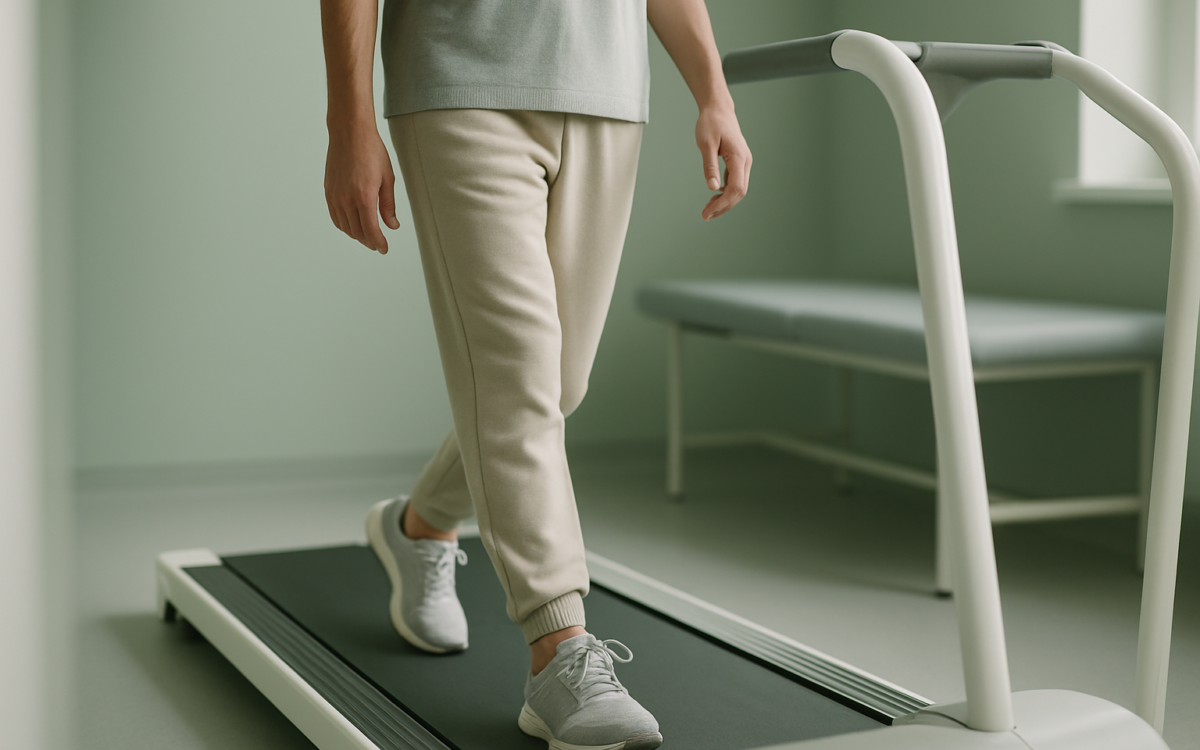
When you think of cardio exercises, activities like running, cycling, or swimming might come to mind. But let’s not overlook one of the simplest and most accessible options: walking. Is walk cardio? The short answer is yes! Walking can provide a substantial cardiovascular workout and offers a range of health benefits.
The Basics of Cardiovascular Exercise
Cardiovascular exercise, often referred to as cardio, is any activity that increases your heart rate and improves blood circulation throughout the body. These workouts can help strengthen the heart, improve lung capacity, and boost overall health. Common forms of cardio include running, cycling, and aerobics, but walking fits nicely into this category, too.
How Walking Qualifies as Cardio
Walking maintains a steady pace, resulting in a sustainable increase in your heart rate. At a brisk pace—around 3 to 4 miles per hour—walking qualifies as aerobic exercise. Here’s why:
- Increased Heart Rate: A brisk walking session can elevate your heart rate to the recommended level for cardiovascular activity.
- Extended Duration: Walking is easier to maintain for longer periods compared to more intense cardio. You can walk for 30 to 60 minutes without feeling overly fatigued.
- Accessible to All: Walking is low-impact, making it suitable for people of all fitness levels and ages.
The Health Benefits of Walking
Consistent walking has a range of benefits that contribute to both physical and mental well-being. Here are some of the most notable advantages:
- Heart Health: Regular walking can help lower blood pressure, reduce cholesterol levels, and improve circulation, all of which contribute to a healthier heart.
- Weight Management: Walking burns calories, which can aid in weight loss and maintenance when combined with a balanced diet.
- Improved Mental Health: Studies show that walking can reduce symptoms of anxiety and depression. It can also boost mood and improve overall mental clarity.
- Enhanced Muscular Endurance: Walking helps strengthen lower body muscles, such as calves, quadriceps, and hamstrings, enhancing overall endurance.
Walking vs. Other Forms of Cardio
While walking is beneficial, it’s essential to understand how it compares to more vigorous cardiovascular exercises.
Running burns more calories in less time and strengthens leg muscles more intensely. However, walking can be just as effective in long-term fitness strategies when sustained over time. For some, especially those new to exercise or recovering from injury, walking is a healthier option than high-impact exercises. Always consider personal health, preferences, and fitness levels when choosing your form of cardio.
Incorporating Walking into Your Routine
If you’re looking to add walking to your exercise regimen, here are some helpful tips:
- Start Slow: If you are new to walking or exercise, start with short sessions and gradually increase your time and intensity.
- Create Goals: Set specific goals, whether it’s a daily step count or walking a certain number of days per week.
- Find a Walking Buddy: Walking with a friend or family member can increase motivation and make the activity more enjoyable.
- Explore Different Environments: Try walking in parks, on trails, or even in your neighborhood to keep things interesting and prevent boredom.
For those considering international treatment options or rehabilitation programs, Acibadem International provides valuable information about health services abroad.
When to See a Doctor
While walking is generally safe for most people, it’s essential to consult a doctor if you experience any of the following:
- Sudden chest pain or discomfort
- Shortness of breath that lasts beyond normal exertion
- Dizziness or lightheadedness
- Pain in your legs that limits movement
Conclusion
Walking may not be the first exercise that comes to mind when considering cardio, but it has significant benefits for cardiovascular health and overall well-being. Whether you’re beginning a fitness journey or looking for a sustainable exercise option, remember that every step counts. Walking is not just a way to get from point A to point B; it’s a valuable form of cardio that can enrich your life.
