
In our fast-paced world, it’s easy to overlook the importance of stretching. Yet, integrating a daily stretching routine into your life can greatly benefit your health. Stretching helps improve flexibility, enhances blood circulation, and reduces muscle tension, contributing to an overall sense of wellbeing. Whether you’re an athlete, a weekend warrior, or someone who sits at a desk all day, dedicating a few minutes each day to stretching can make a significant difference in how you feel.
Understanding the Importance of Stretching
Stretching serves several key purposes in maintaining your physical health. Here are a few reasons why a daily stretching routine is essential:
- Improves Flexibility: Regular stretching increases the range of motion in your joints. This flexibility can enhance your performance in physical activities and daily tasks.
- Reduces Muscle Tension: Stretching helps to relax tight muscles, particularly after a workout or a long period of inactivity.
- Enhances Circulation: Stretching promotes better blood flow, which can help nourish your muscles and reduce soreness after exercise.
- Prevents Injuries: Well-stretched muscles are less likely to become injured. Engaging in a stretching routine can help prepare your muscles and joints for physical activities.
Getting Started: Key Stretches for Your Routine
If you’re new to stretching, it’s important to start with gentle movements. Below are a few effective stretches to incorporate into your daily routine:
Neck Stretch
Gently tilt your head to one side, bringing your ear toward your shoulder. Hold for 15-30 seconds, then switch sides. This stretch helps relieve tension in the neck area.
Shoulder Stretch
Reach one arm across your body and use your other arm to pull it closer to your chest. Hold for 15-30 seconds and switch sides. This helps to loosen the shoulders and upper back.
Chest Stretch
Stand with your arms outstretched at shoulder height. Gently pull your arms back while squeezing your shoulder blades together. Hold for 15-30 seconds to open up the chest.
Hamstring Stretch
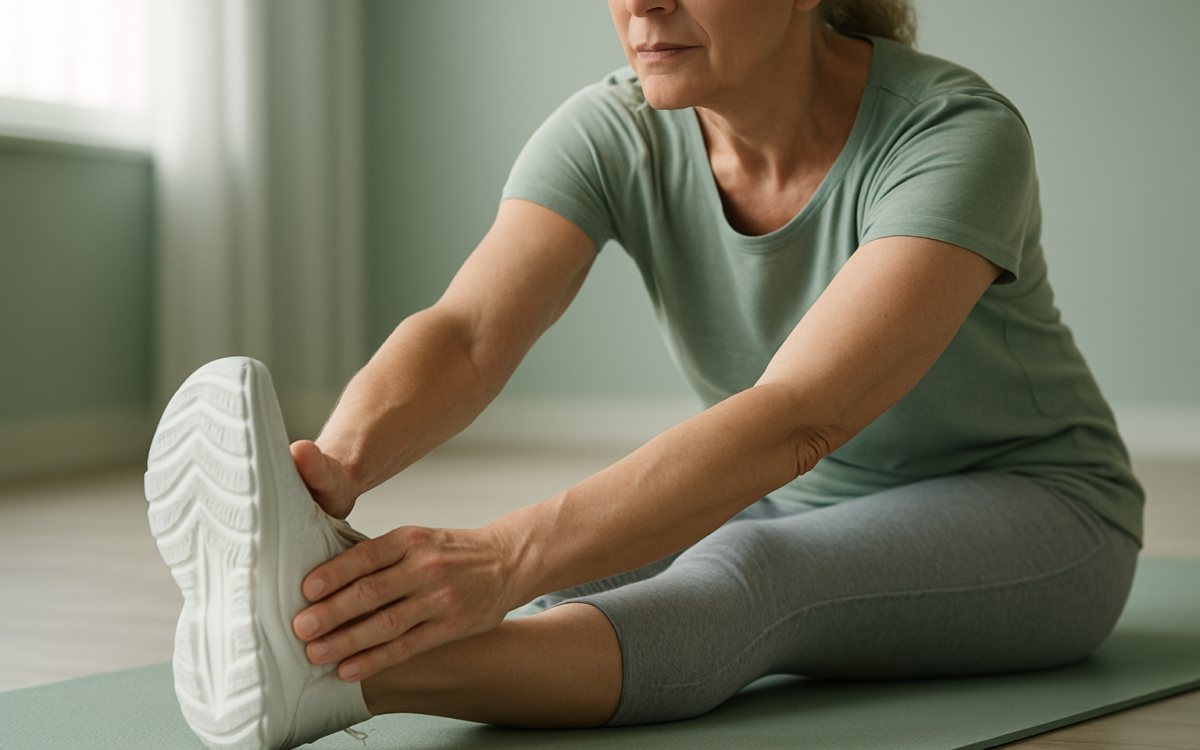
While seated, extend one leg out and keep the other leg bent. Lean forward gently towards your extended leg, keeping your back straight. Hold for 15-30 seconds and switch legs. This stretch targets the back of the thighs.
Quadriceps Stretch
Stand on one leg and pull your other foot toward your buttocks, holding it with your hand. Keep your knees close together and hold for 15-30 seconds. This helps stretch the front of the thigh.
Calf Stretch
Face a wall and place your hands against it. Step one foot back, keeping it straight, while bending the front knee. Press your back heel into the ground and hold for 15-30 seconds. This stretch targets the calf muscles.
Creating Your Daily Stretching Routine
To develop a successful daily stretching routine, consider the following tips:
- Set a Schedule: Choose a time that works best for you, whether it’s in the morning, during lunch breaks, or before bedtime.
- Keep It Short: Aim for a routine lasting 5 to 10 minutes. Even a brief session can provide benefits.
- Listen to Your Body: Pay attention to how your body feels. If a stretch causes pain, ease up or modify it.
- Incorporate Deep Breathing: Combine stretching with deep breathing to enhance relaxation and focus.
Staying Safe While Stretching
While stretching is generally safe, there are some precautions to keep in mind:
- Warm Up First: It’s best to warm up your muscles with light activity before stretching. A few minutes of walking or jogging can prepare your body.
- Avoid Bouncing: Stretching should be slow and controlled. Avoid bouncing, which can cause injuries.
- Be Mindful of Your Limits: Don’t push yourself too hard; stretching should feel good, not painful.
When to See a Doctor
If you experience persistent pain while stretching or have concerns about a specific injury, it’s wise to consult a healthcare professional. Conditions such as muscle strains, ligament sprains, or chronic pain issues may require a medical evaluation. For more information, visit reputable sources like the National Institutes of Health (NIH) or the Mayo Clinic.
Conclusion
Incorporating a daily stretching routine into your lifestyle can greatly improve your physical and mental health. By dedicating just a few minutes each day to stretch, you’ll not only enhance your flexibility and mobility but also promote relaxation and wellbeing. Remember, the key to a successful routine is consistency, so find a few stretches that work for you and make them part of your daily life. With time, you’ll likely notice the positive impact on your body and your mood!
