
When we think about fitness, we often focus on strength and endurance, but flexibility is just as essential. Flexibility workouts can improve your overall health, enhance your performance in other exercises, and help prevent injuries. In this article, we will explore the importance of flexibility, different flexibility workouts, and tips for incorporating them into your routine.
The Importance of Flexibility
Flexibility refers to the range of motion in your joints and muscles. It plays a vital role in overall health and functional movement. Good flexibility can lead to improved posture, better balance, and increased strength. It also helps reduce the risk of injuries, especially in physically demanding activities.
According to the National Institutes of Health, incorporating flexibility exercises into your routine can promote athletic performance and decrease muscle soreness after workouts. As we age, our flexibility naturally decreases, making it even more critical to prioritize stretching and flexibility workouts.
Types of Flexibility Workouts
Several types of flexibility workouts can suit different needs and preferences. Here are a few popular options:
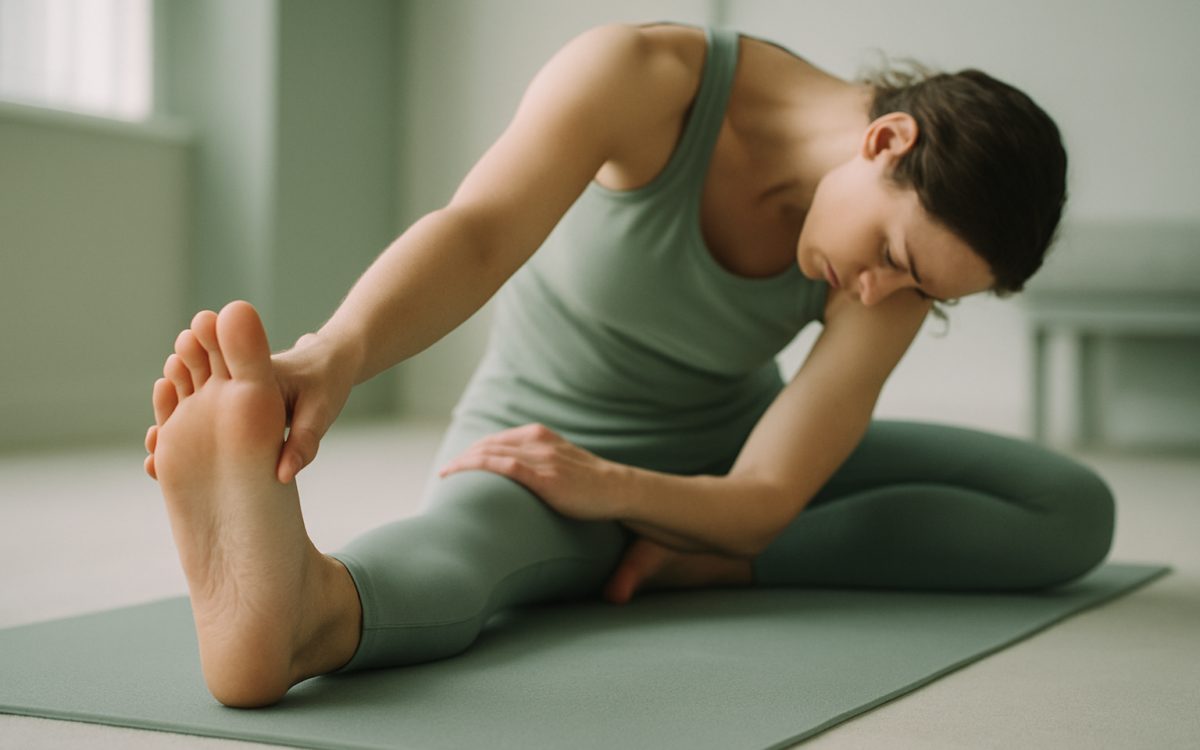
- Static Stretching: This involves holding a stretch for a period, usually 15 to 60 seconds. It’s best performed after your workout when your muscles are warm. For example, sitting on the floor and reaching for your toes stretches your hamstrings and lower back.
- Dynamic Stretching: This form of stretching includes controlled movements that improve flexibility while preparing your muscles for activity. Examples include leg swings, arm circles, and walking lunges. This is particularly useful as part of a warm-up routine.
- Yoga: Yoga incorporates various poses that promote flexibility, balance, and strength. Many styles of yoga focus heavily on stretching and breathing techniques, making it a great option for improving overall flexibility.
- Pilates: Pilates emphasizes core strength and stability but also includes numerous movements that enhance flexibility. These workouts can be excellent for anyone looking to improve their posture and muscle length.
- Foam Rolling: Although not a stretch in the traditional sense, foam rolling releases muscle tension and improves blood flow. It can help prime your muscles for flexibility workouts and enhance your recovery.
Creating Your Flexibility Routine
To reap the benefits of flexibility workouts, it’s essential to create a routine that fits your lifestyle. Here are some helpful tips:
- Consistency is Key: Aim to incorporate flexibility workouts into your schedule at least two to three times a week. Just like any workout, regular practice leads to the best results.
- Warm-Up Before Stretching: Always warm up your muscles before attempting flexibility exercises. This can include light aerobic activity, such as jogging or jumping jacks, for about 5-10 minutes.
- Listen to Your Body: Flexibility should not come with pain. Stretch until you feel tension, but stop if you feel sharp pain. Overstretching can lead to injuries.
- Set Realistic Goals: Flexibility varies from person to person based on age, activity level, and overall health. Set achievable goals, and celebrate progress over time.
- Mix It Up: To maintain motivation and prevent boredom, try incorporating various stretching techniques and workouts into your routine, like yoga or Pilates.
Incorporating Flexibility Workouts in Daily Life
Flexibility workouts don’t always have to be formal. You can integrate flexibility training into your daily life with these strategies:
- Stretch During Breaks: If you spend long hours sitting at a desk, take short breaks to stretch your neck, back, and limbs. Even a few minutes of stretching can relieve tension.
- Use Stretching Apps: Consider using smartphone apps that guide you through stretching and flexibility routines. These can help you stimulate your muscles throughout the day.
- Join a Class: Find local yoga, Pilates, or stretching classes where experienced instructors can guide you. This is a great way to stay motivated and learn proper techniques.
- Involve Friends or Family: Stretching alone can sometimes be less motivating. Invite friends or family to join your flexibility workouts, making it a social and enjoyable experience.
Potential Risks of Inadequate Flexibility
Neglecting flexibility exercises may lead to various problems, including:
- Decreased Range of Motion: If you avoid flexibility workouts, you may find your joints become stiff and your range of motion diminishes.
- Increased Risk of Injury: Without adequate flexibility, your body may be more prone to strains, sprains, and other injuries during physical activities.
- Poor Posture: Tight muscles can contribute to poor posture, leading to discomfort and pain.
It’s crucial to address flexibility to maintain a balanced and healthy body.
When to See a Doctor
If you experience persistent pain or discomfort while stretching, or if you have a serious injury, it’s important to consult your doctor. You should also seek medical advice if you have underlying conditions, such as arthritis or chronic pains, that may affect your ability to perform stretching exercises safely.
Conclusion
Flexibility workouts are a vital part of any fitness routine, providing benefits that extend beyond mere mobility. From injury prevention to improved performance in other activities, flexibility plays a crucial role in our overall health. By creating a routine that incorporates various types of stretching and actively engaging in flexibility practices, you can enhance your range of motion and enjoy a healthier, more active lifestyle.
